Bolivia Declares State of Emergency Amid El Niño Weather Crisis


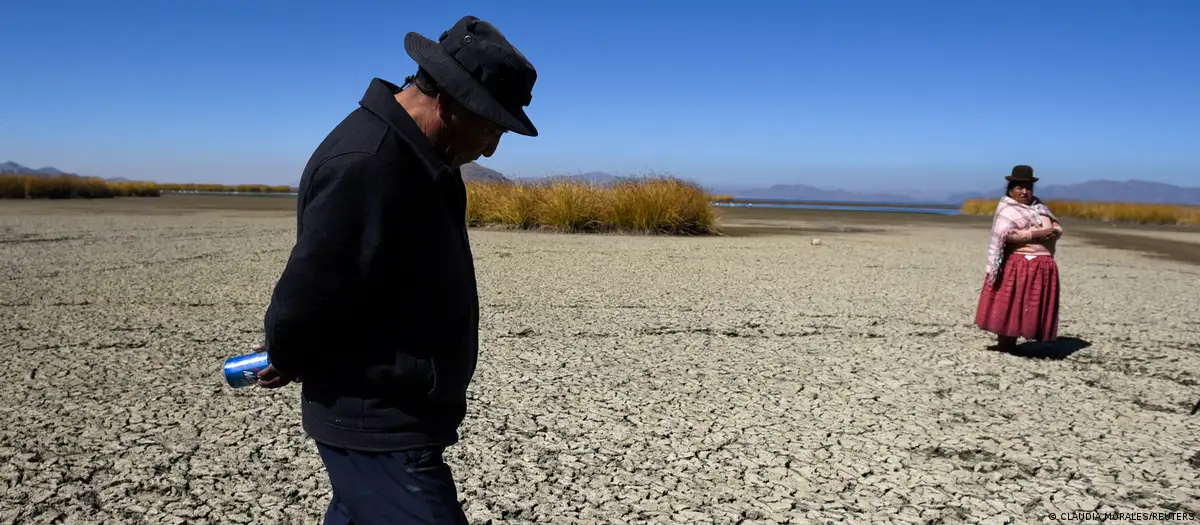
Bolivia has officially declared a nationwide state of emergency to address the severe effects of the El Niño weather phenomenon. This declaration was made by Bolivian President Rodrigo Paz on Saturday, aimed at mobilising resources to combat the challenges posed by drought and flooding.
The El Niño phenomenon is expected to reach its peak in late 2026, as indicated by meteorologists. President Paz warned that the nation will face significant challenges associated with this climate event, stating, "This will be a phenomenon that will have very severe impacts in terms of drought and floods, and we need the cooperation of all institutions."
Currently, approximately 78,000 families are experiencing the adverse effects of drought across six of Bolivia's nine departments. This has resulted in the loss of over 75,000 cattle, as reported by the government.
The declaration allows for the deployment of additional rescue teams in areas most affected by these conditions. Authorities have also raised alarms about potential flooding, flash floods, and landslides as the rainy season approaches.
El Niño is a periodic climatic event characterised by the warming of sea surface temperatures in the equatorial Pacific, leading to altered weather patterns worldwide. The phenomenon can yield both drought in some regions and heavy rainfall in others. Scientists suggest that this particular El Niño could be the strongest recorded, with predictions indicating a significant global impact.
Recent data from the United Nations suggests that this event could be linked to an extraordinary number of excess deaths worldwide, with estimates indicating that more than 450,000 fatalities could occur globally due to its ramifications.
In neighbouring countries, the effects of the El Niño phenomenon are also evident. For instance, the capital of Chile, Santiago, recorded its wettest October, while wildfires in Peru resulted in numerous casualties.
The current El Niño event began developing in June and has quickly intensified, with expectations that it may peak in December. Researchers and climate experts are advising nations in the Pacific region to be prepared for significant impacts as the situation continues to evolve.
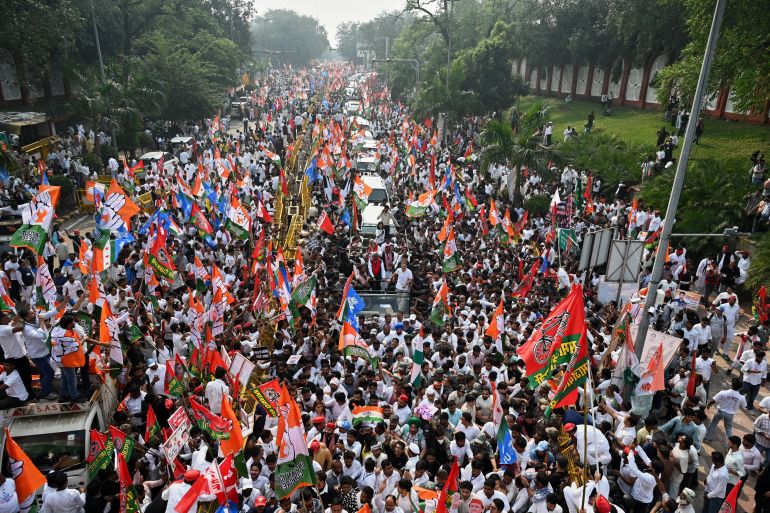
Delhi Traders Report Rs 10,000 Crore Loss Amid INDIA Bloc Rally
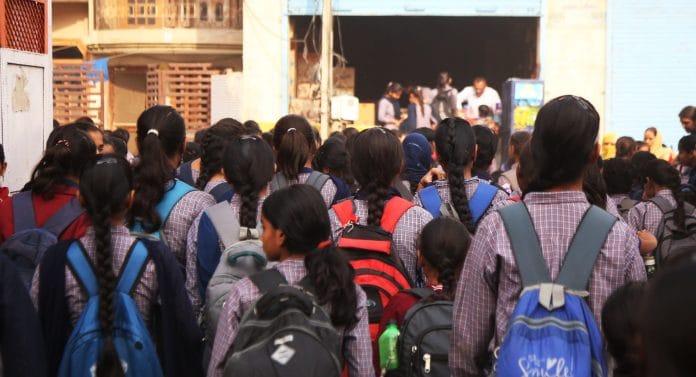
Panchkula School Principal Suspended Following Assault on Student
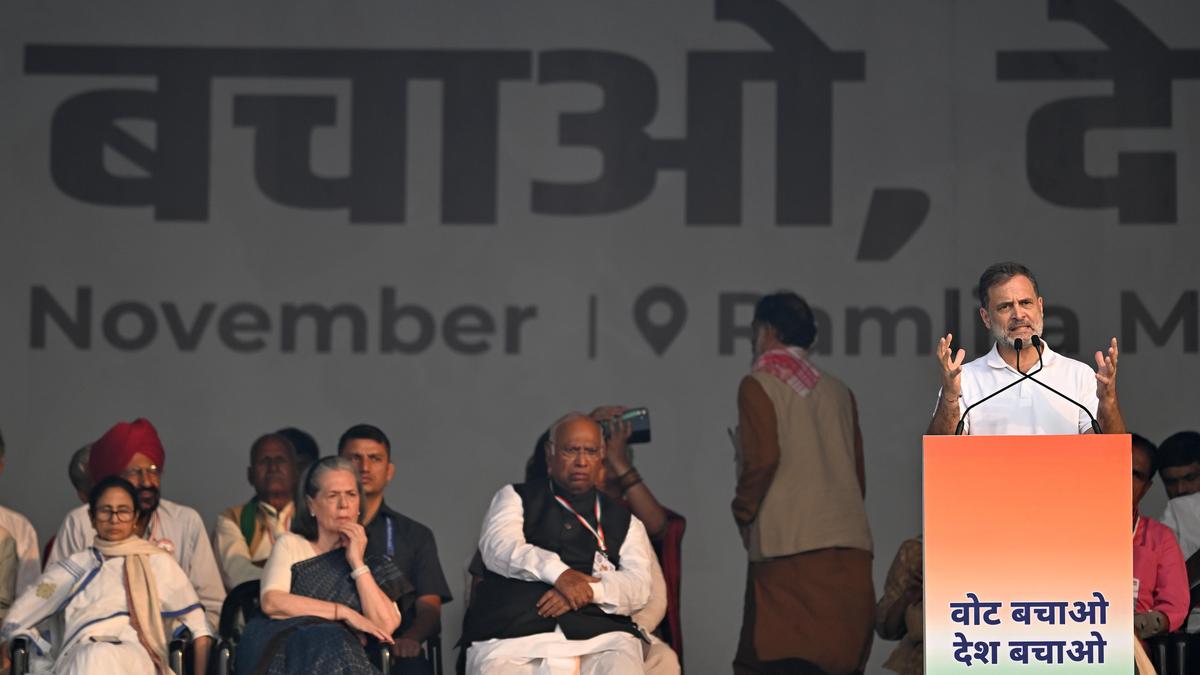
Opposition INDIA Bloc Calls for Legal Action Over Alleged Electoral Fraud

Nita Ambani Launches Major Care Project on Her Birthday