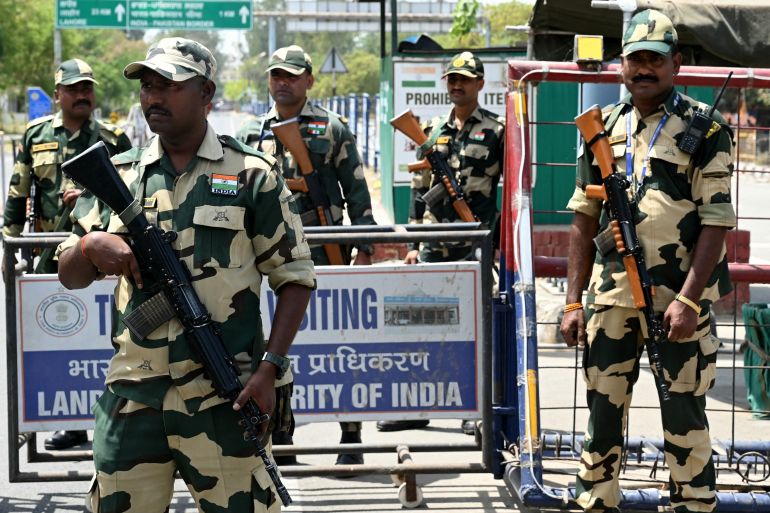
A major voter-list controversy is unfolding in Karnataka


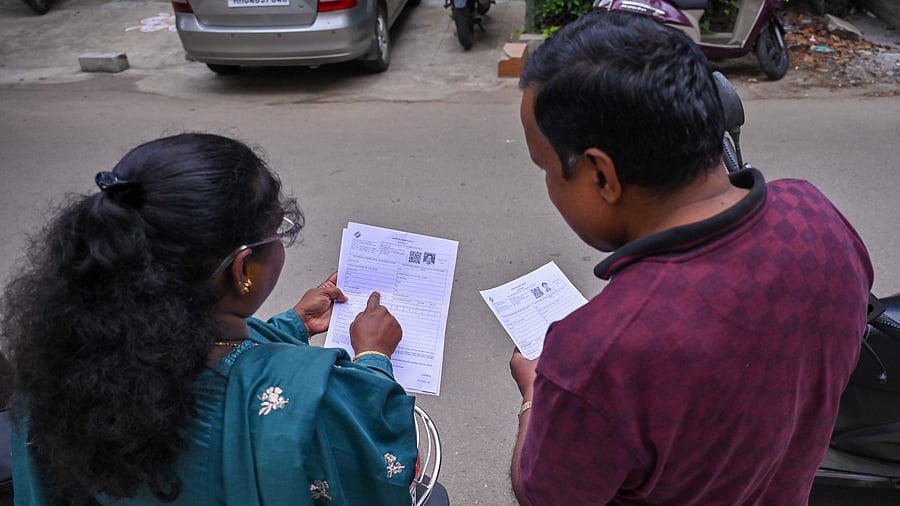
Recent revisions to the electoral rolls in Bengaluru have raised concerns and challenges for political parties preparing for the Greater Bengaluru Authority (GBA) elections. The Special Intensive Revision (SIR) has significantly decreased the electorate size in certain wards, with some now having fewer than 10,000 voters. This adjustment comes despite the fact that ward boundaries were merely restructured last year based on population figures.
Currently, the draft electoral roll indicates that approximately 56.99 lakh voters are eligible for the GBA elections, a stark decrease from the 1.03 crore electors recorded in June 2026. Notably, around 46.88 lakh voters have been flagged for delegation, unless they submit a fresh application for registration. Given the current configuration of 369 wards, this results in an average of about 15,446 voters per ward.
However, disparities exist among different assembly constituencies; for instance, Rajajinagar, CV Raman Nagar, Gandhinagar, and Shivajinagar have fewer than 10,000 voters per ward on average, while Yelahanka and Byatarayanapura feature more than 20,000. These statistics prompt anxiety among political parties, particularly regarding candidate selection. Some aspiring councillors may choose to run as independent candidates if they are not awarded party tickets, complicating the election landscape.
Saptagiri Gowda A R, president of the Bharatiya Janata Party’s Bengaluru Central district, expressed that a ward size below 10,000 presents challenges for conducting elections effectively. "After the recent delimitation of wards, there were about 18,000 voters in each ward of the Gandhinagar constituency where I contested Assembly polls. Now, the figure is down to 8,000. There are about 30% unmapped voters, but we do not know how many will be able to get back on the rolls," he noted.
Similarly, D K Mohan from the Indian National Congress, who previously contested from KR Puram, highlighted the potential for significant voter disparities due to the new revisions. "In KR Puram, the difference could be as huge as 20,000 between wards," he stated.
V Ravichandar, a member of the Brand Bengaluru Expert committee, attributed the steep decline in Bengaluru's electoral rolls not to a decrease in population but rather to the fact that a significant proportion, estimated at 30-35%, of adults may still be registered to vote in their home districts. He suggested that the electoral base across wards may show variations due to the SIR but reiterated that the overall population distribution should remain consistent.
M Maheshwar Rao, chief commissioner of the GBA, confirmed that there are currently no plans to redraw ward boundaries again. "The boundaries were drawn based on the population. The SIR may bring down the number of voters, but there will not be a significant change in the ward population," he affirmed.
In light of these developments, the GBA is preparing to adopt the final electoral roll by October 27 for the upcoming civic polls. According to a senior GBA official, the government has committed to completing the necessary procedures for conducting the elections within a month following the finalisation of the electoral roll by the Election Commission. Additionally, the GBA has announced that there will be no alterations to the composition of the wards at this time.
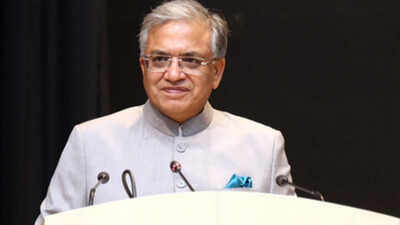
Moreover, Chief Minister D K Shivakumar has reached out to Chief Election Commissioner Gyanesh Kumar, requesting an extension for the 'claims and objections' period. He emphasised the necessity for genuine voters who have been excluded from the draft rolls to have the opportunity to make claims, given that there are no imminent elections in the state.
The ongoing revision has prompted adjustments in polling station assignments as well. Voters who find their names missing from the draft electoral roll may need to check new polling stations, as the number of polling stations in Bengaluru has risen from 59,050 at the start of the SIR to 60,923. This expansion has led to changes in voters' serial numbers and parts as well.
Overall, this revision and the implications for Bengaluru's electoral scenario are indicative of the dynamic nature of local governance and democratic participation in the city, stemming from initiatives aiming to streamline and update electoral registrations effectively.
Kerala Initiates Probe into 2006 Suicide Case Involving CEC

Extradition of Sheikh Hasina Feasible, Says Indian High Commissioner

Punjabi Makeup Artist Mad Sandhu Shot Dead in Amritsar
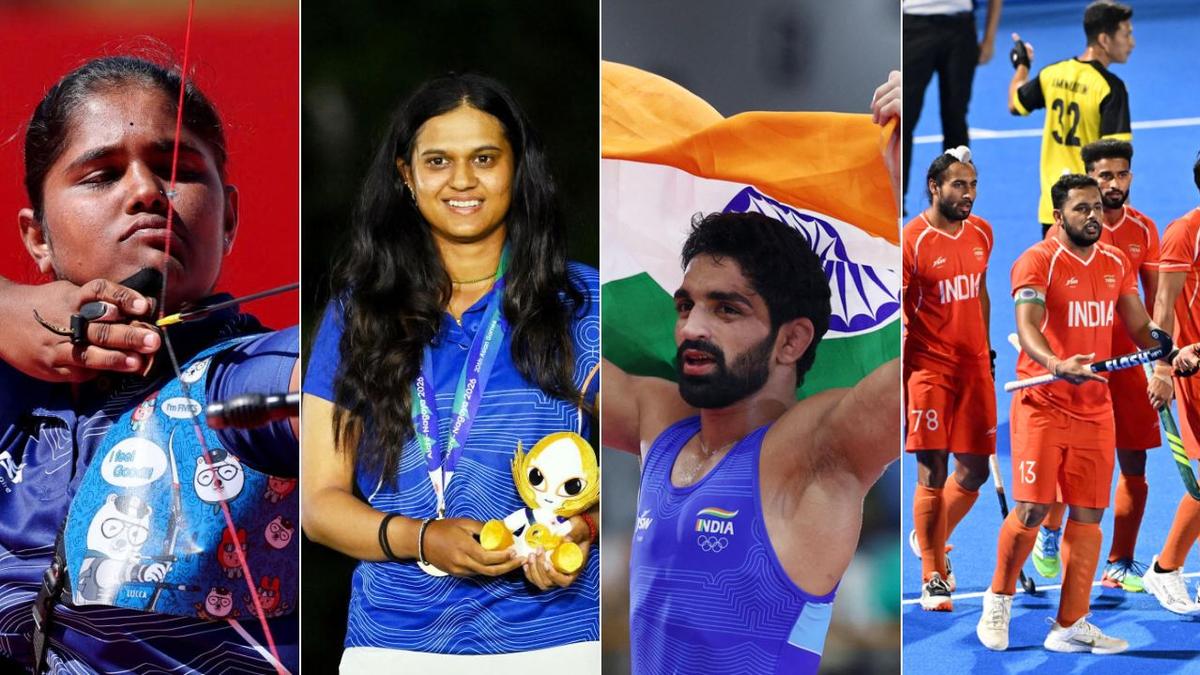
India Achieves Fourth Place at Asian Games 2026 Through Late Success