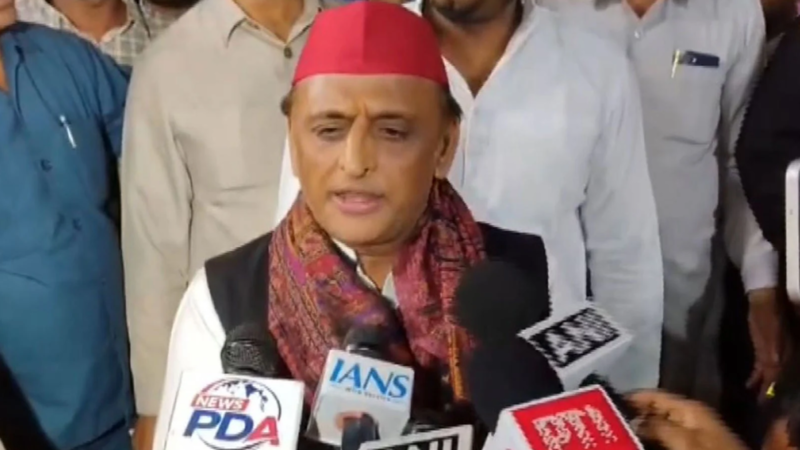
Bangladesh's Role in India-Bangladesh Relations Takes Center Stage


Concerns are rising over Bangladesh’s potential absence from the forthcoming BRICS Summit in India, as confirmed by Randhir Jaiswal, spokesperson for the Ministry of External Affairs (MEA). He stated, "No confirmation from Dhaka," when asked if the Prime Minister of Bangladesh, Tarique Rahman, would attend the summit. This uncertainty marks a noticeable shift in the relationship between India and a neighbour long considered one of India's closest partners in the region. On August 18, 2026, Indian officials conveyed their expectations for a constructive relationship with Dhaka, advocating for ties based on mutual interests and reciprocity. This marked a distinct departure from India's previous diplomatic stance under the Gujral doctrine of 1996, which advocated for goodwill without the expectation of reciprocity. India's evolving stance faces geographical challenges; while India is attempting to develop alternate routes to the Siliguri Corridor, much of the infrastructure passes through Bangladesh. There are currently 32 routes linking mainland India to the Northeast, with 23 of these traversing Bangladeshi territory, according to an assessment by India Today’s Open Source Intelligence team. Out of these, 16 routes are operational, while another three are under construction and 13 remain proposals. The operational routes include significant connections such as those through the Akhaura-Agartala link, which still awaits resolution on the Bangladeshi side. India has invested in various connectivity projects within Bangladesh, yet these efforts have not resulted in smooth integration into completed infrastructure. A report from Bangladesh’s Economic Relations Division highlights that despite a commitment of $7.362 billion from India over 13 years, only approximately $1.489 billion has been disbursed, with 25 of the 40 projects still pending completion. Moreover, India’s commitment to enhance connectivity following the approval of a substantial Line of Credit has not translated into the expected level of infrastructure readiness. In parallel, the geopolitical landscape has shifted. Following his oath, Tarique Rahman made Beijing his first diplomatic destination, indicating a potential pivot in Bangladesh’s foreign relations. India has observed Chinese expansion in critical areas where India has established a presence, such as the Mongla port and Chattogram. For instance, at Mongla, where India financed transport links, a recent agreement has been formed between China and Bangladesh to collaborate on modernising the port. These developments are further complicated by India’s evolving trade regulations with Bangladesh. Since April 2025, India restricted transit facilities for Bangladeshi goods, which has sparked tensions. Security strategies have also intensified, with the introduction of a 'triangular security grid' around the Siliguri Corridor. August 2026 marked a formalised shift in Indian policy, calling for reciprocity in relations with Bangladesh, as friction has escalated since the ousting of Sheikh Hasina in 2024. Anti-India sentiments in Bangladesh have fed into diplomatic strains, affecting trade and fostering an increasingly adversarial relationship. The ramifications of these tensions will compel the political leadership in Dhaka to navigate complex choices regarding foreign assistance, particularly with financial engagements from China. India’s reformed trade policies and heightened security focus suggest a more cautious approach as it seeks to redefine the contours of its relationship with Dhaka in the coming years.
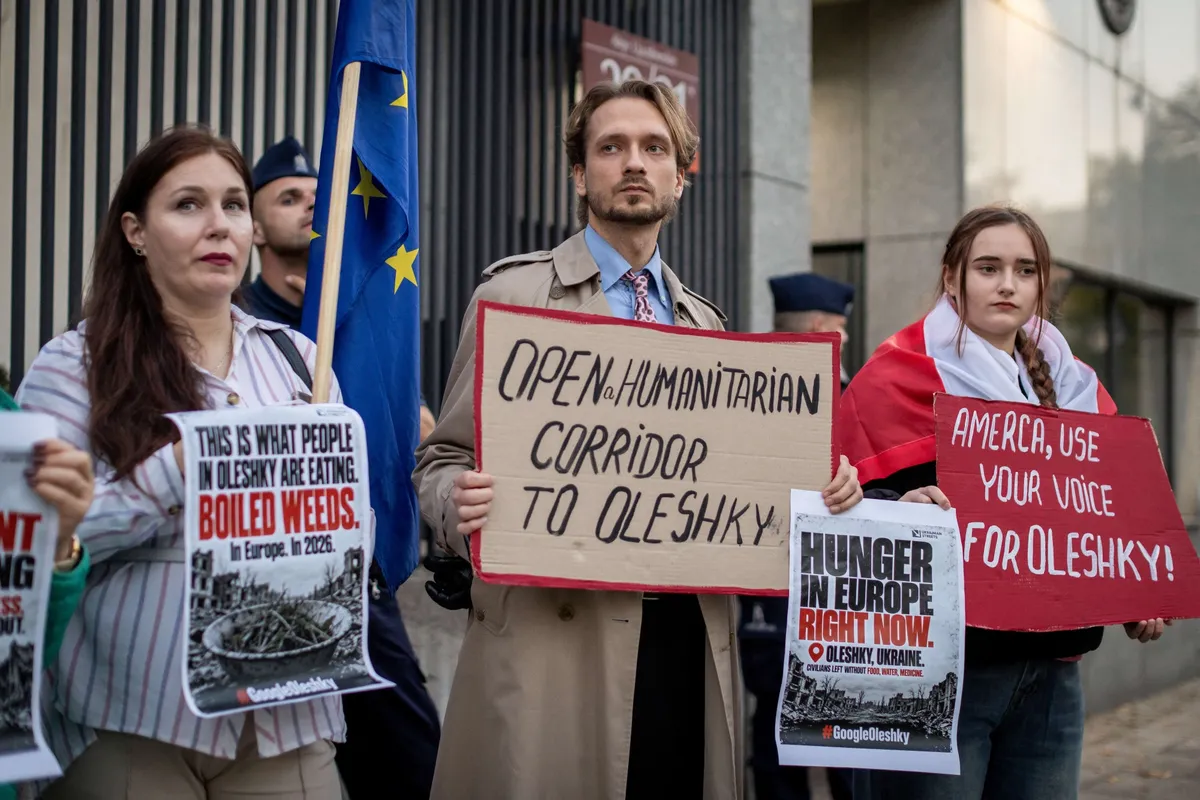
Ceasefire Agreed in Oleshky Amid Ukraine's Humanitarian Crisis
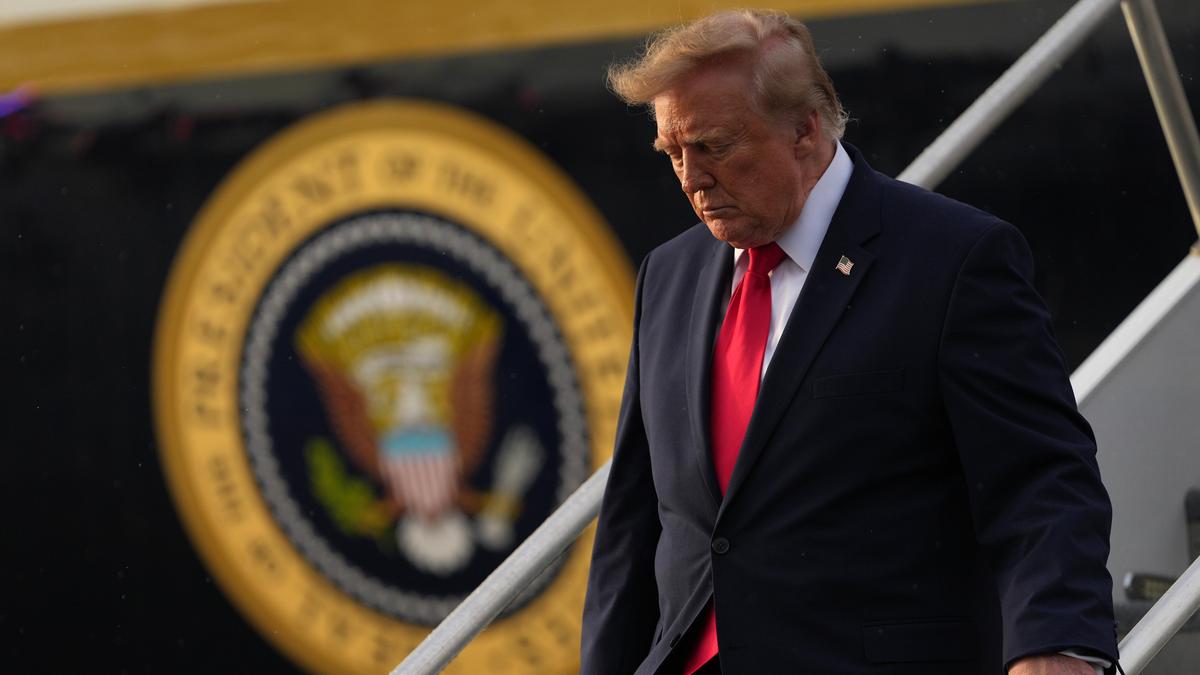
Donald Trump Hints at US Interest in Cuba After Conflict in Iran
UK Court Rules Against India in RAKIA Investment Dispute
India Raises Concerns Over Chinese Border Patrolling Deviations