Bangladesh Faces Severe Measles Outbreak with High Child Mortality


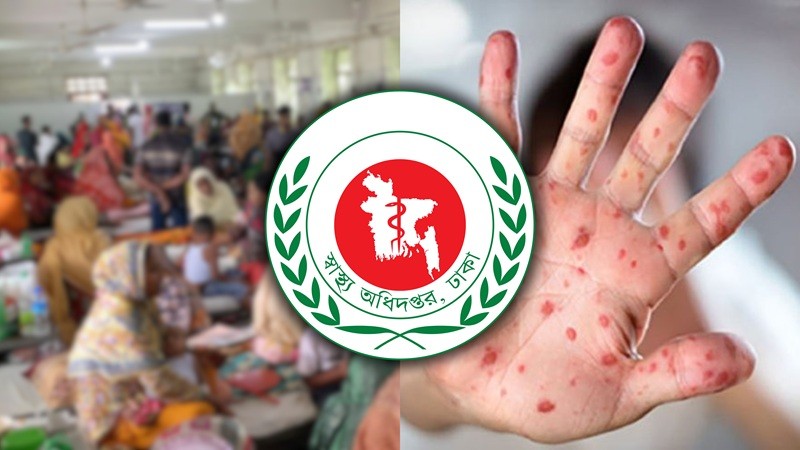
Bangladesh is grappling with a significant measles outbreak that has reportedly led to the deaths of close to 900 children since March. Measles, a highly infectious disease, can spread swiftly in populations with low vaccination coverage. The recent outbreak highlights the urgent need for enhanced immunisation efforts in regions where vaccine rates have declined.
The outbreaks have emerged against a backdrop of disrupted routine childhood vaccinations caused by the COVID-19 pandemic. The Bangladesh government aimed to eliminate measles and rubella by 2020; however, many children remain unvaccinated, creating vulnerable populations. Reports indicate that childhood vaccination coverage has dropped to approximately 87%.
Between March 15 and September 6, 2026, Bangladesh documented 92 suspected measles cases per 100,000 people and 11 confirmed cases per 100,000 in a national estimated population of 178 million. In light of the outbreak, Bangladesh's vaccine advisory group approved an emergency vaccination campaign targeting children aged six months to five years. The World Health Organization (WHO) recommended administering an additional measles vaccine dose to all children due to the heightened transmission risk. This initiative, aimed at rapidly increasing immunity within the community, commenced in early April in key districts and expanded nationwide shortly after.
Additionally, every child displaying symptoms of measles received vitamin A as part of supportive treatment. This was complemented by an extensive vitamin A campaign that had taken place in 2025. The Directorate General of Health Services mobilised rapid response teams across districts, enhancing hospital capacity and infection control measures to manage increasing hospitalisations.
Despite widespread vaccination efforts, health authorities caution that the risk of continued outbreaks remains high, particularly if routine booster shots are missed or misinformation prevents parents from taking their children for vaccination. Measles is known to be exceptionally contagious; unvaccinated individuals can transmit the virus vicariously, making comprehensive vaccination crucial.
Public health experts warn that achieving herd immunity—where approximately 95% of a community needs to be vaccinated—remains elusive. Even minor dips in vaccination levels can lead to significant outbreaks as evidenced by the current situation in Bangladesh. Furthermore, the situation is not unique to Bangladesh; similar declines in vaccination rates have been reported in various countries, heightening global vulnerability.
While some nations have successfully eliminated measles, challenges persist. Recent outbreaks in Zimbabwe and parts of the Americas illustrate the need for ongoing vigilance and robust vaccination strategies. The events in Bangladesh serve as a critical reminder that vaccine efficacy hinges on public trust and accessibility, underscoring the urgency to bridge existing gaps in immunisation coverage.

Israeli Prime Minister Netanyahu Makes Unannounced Visit to UAE

Indian Bank Unions Postpone Planned Three-Day Strike
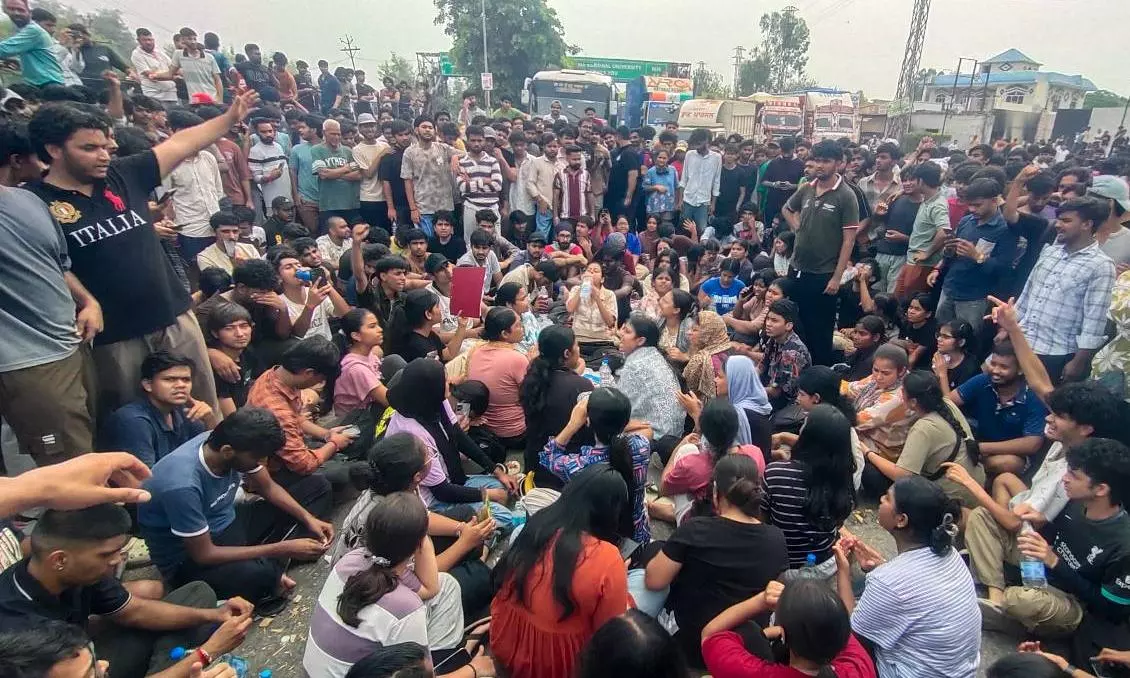
Lovely Professional University Suspends Classes Amid Protests

India's Jaishankar Criticises Pakistan at UN General Assembly