Bangladesh Establishes Wage Board Amid Protests from Garment Workers


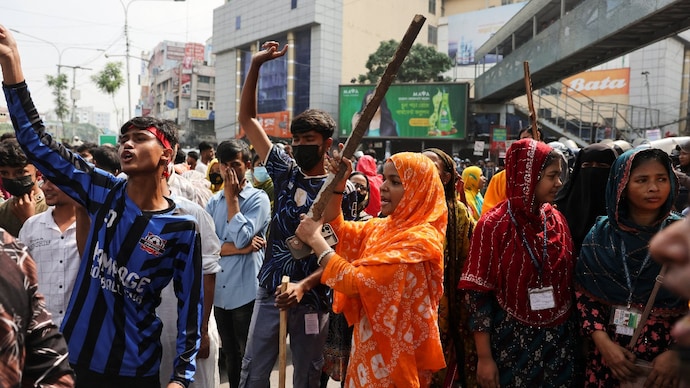
Garment workers in Bangladesh have intensified their protests, blocking roads in Dhaka and Gazipur, as they demand a minimum monthly wage of BDT 30,000 (approximately £23,000). This surge in protests includes incidents of violence, with demonstrators setting fire to a police box on a major highway. Local media reports indicate that these actions have prompted the government to announce the formation of a new wage board to address workers' grievances.
The current minimum wage for garment workers, established in November 2023, is set to expire next month. The garment sector is a crucial segment of the Bangladeshi economy, employing over four million people across approximately 4,000 registered factories. Bangladesh is recognised as the world's second-largest exporter of apparel, with garment exports valued at $38.70 billion in the financial year 2025–26, according to the Bangladesh Garment Manufacturers and Exporters Association (BGMEA).
During the protests in Gazipur, workers were seen carrying sticks and chanting slogans as they occupied key points along the Dhaka-Tangail highway, around 55 kilometres from the nation's capital. Many of the protesters had marked their attendance at local factories before joining the demonstrations. The unrest culminated in confrontations with police, leading to the deployment of five platoons of the Border Guard Bangladesh to control the situation.
In Dhaka, workers from multiple locations, notably Mirpur, blocked significant roads, causing the closure of the local metro station. Labour and Employment Minister Ariful Haque Choudhury addressed the situation in a press conference, announcing the establishment of a new wage board and urging workers to cease disruptions and return to their jobs.
Choudhury emphasised the government's commitment to considering the workers' demands seriously. 'Today, their wage board has been formed, consisting of the representatives they selected,' he stated, expressing hope that workers would return to their factories.
The newly formed wage board will include members representing both factory owners and workers, as well as an independent member. Senior District and Sessions Judge Sheikh Ashfaqur Rahman will chair the board, while representatives from BGMEA and the Bangladesh Employers' Federation represent the owners. Worker representation will include Babul Akhter, general secretary of the Bangladesh Garments and Industrial Workers Federation, and Anwar Hossain, president of the Bangladesh Jatiyatabadi Sramik Dal. The independent member appointed to the board is Professor Mosleh Uddin Ahmed from Dhaka University.
With the garment sector playing a pivotal role in Bangladesh's economy, these ongoing protests and the subsequent governmental response are crucial for the future dynamics of the industry. Analysts will be observing the developments closely to assess the implications on both workers' rights and economic stability in the region.
Delhi Traders Report Rs 10,000 Crore Loss Amid INDIA Bloc Rally
Panchkula School Principal Suspended Following Assault on Student
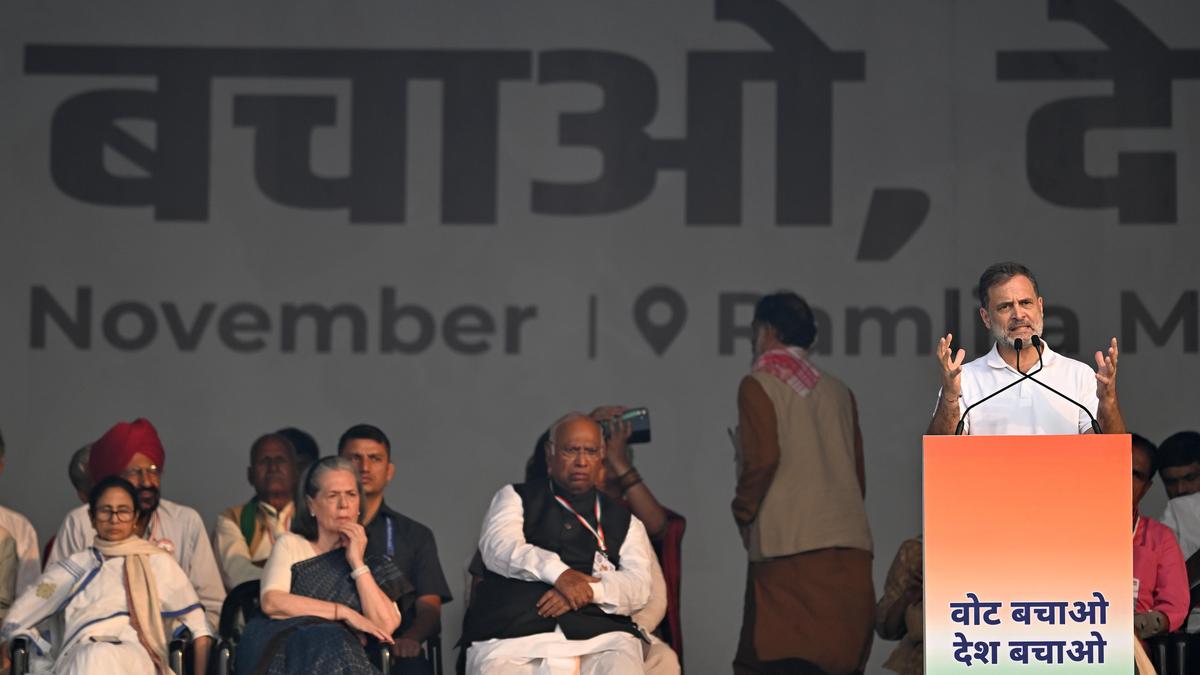
Opposition INDIA Bloc Calls for Legal Action Over Alleged Electoral Fraud
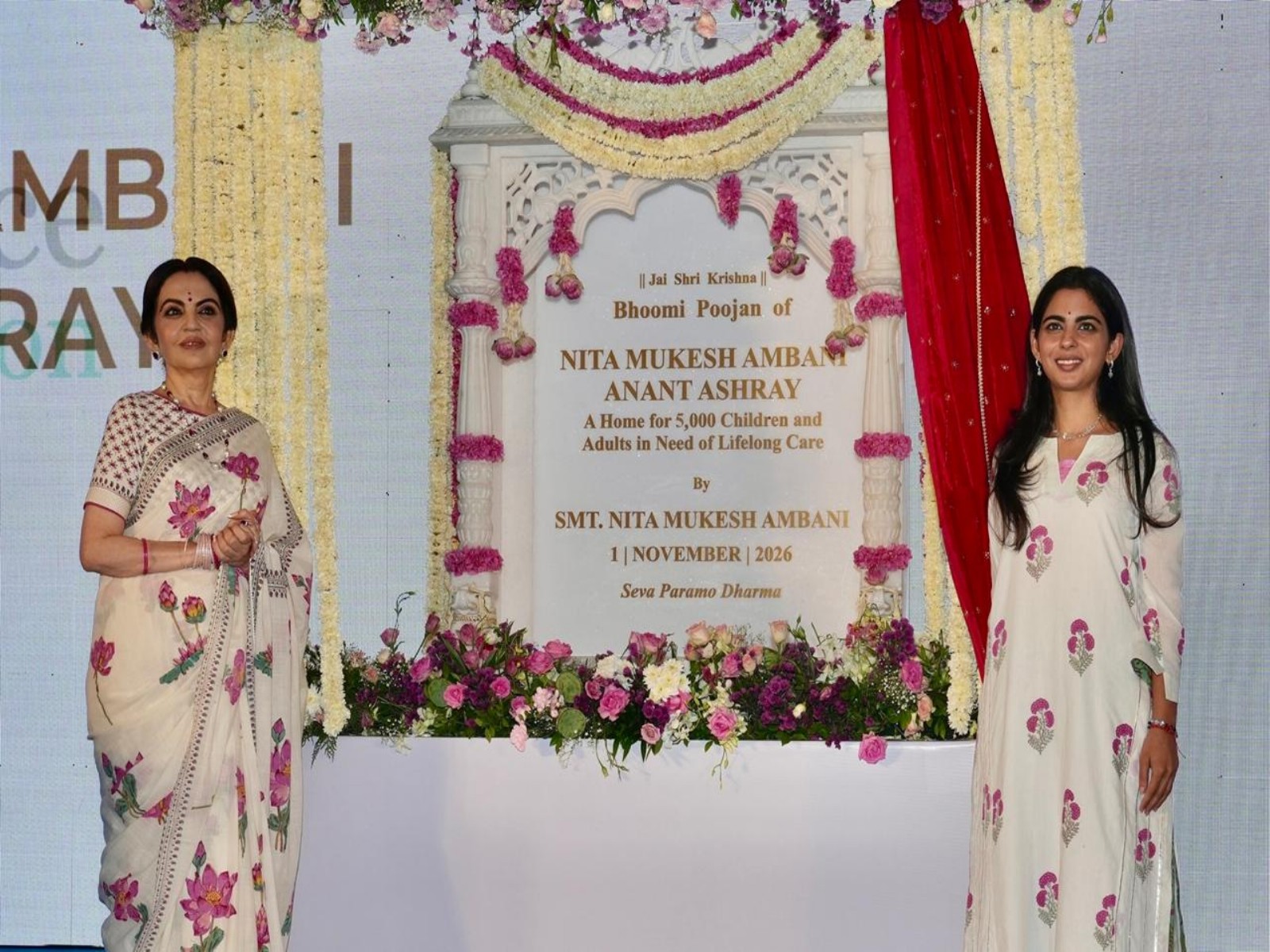
Nita Ambani Launches Major Care Project on Her Birthday