Balochistan violence: Pakistan confronts deadly separatist surge


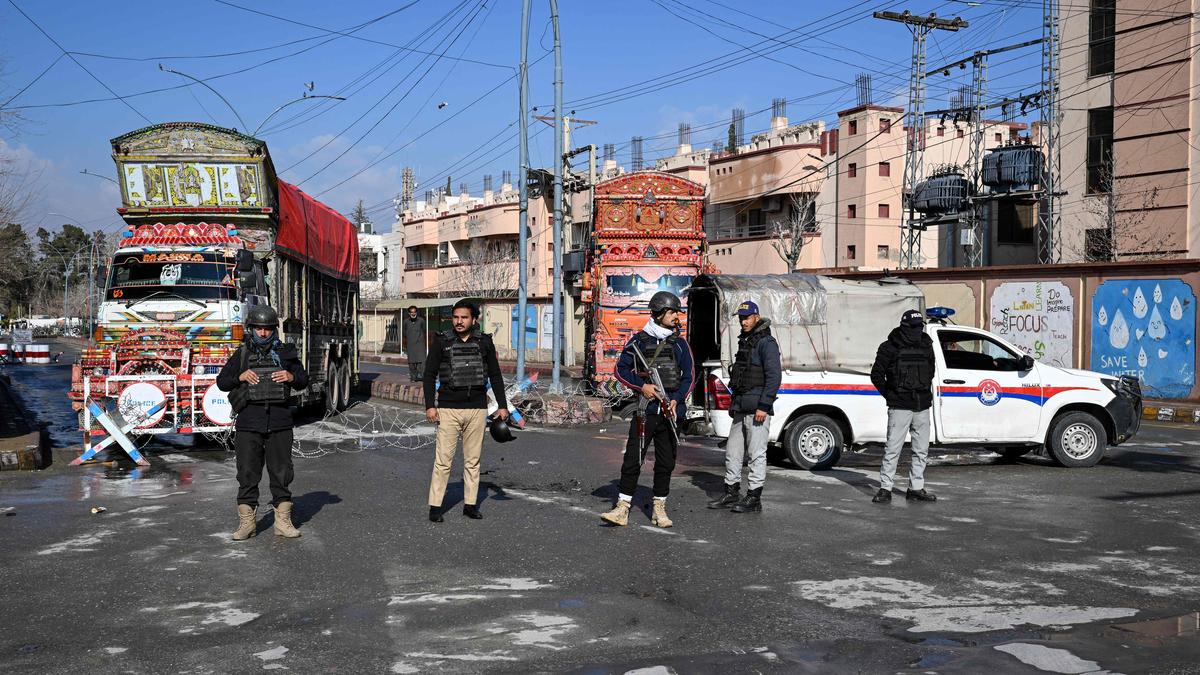
Pakistan’s security forces say they killed 145 militants during nearly 40 hours of military operations following a wave of coordinated attacks across Balochistan at the end of January. According to provincial officials, the violence also left at least 31 civilians and 17 members of the security forces dead.
The attacks struck more than a dozen locations, including the provincial capital Quetta, the port city of Gwadar and several remote districts near the borders with Iran and Afghanistan. Hospitals in affected areas were placed on emergency footing as fighting continued into the weekend.
Chief Minister of Balochistan Sarfaraz Bugti told a press conference in Quetta that the death toll represented the highest number of militants killed in such a short period since the insurgency intensified. He said security forces were still carrying out clearance operations to prevent further attacks.
The banned Balochistan Liberation Army, a separatist group that has waged an insurgency for decades, claimed responsibility for the assaults. In a statement, the group said it had launched a coordinated operation targeting security forces across the province.
Pakistan’s military described the attacks as highly organised and said forces had repelled attempts by militants to seize control of cities or strategic installations. Information Minister Attaullah Tarar praised the response, saying security personnel had “fought bravely” and portraying the violence as a final push by a weakened insurgency.
At the same time, the scale of the casualties has underlined the continuing instability in Balochistan, Pakistan’s largest but poorest province. The region has long experienced sporadic violence linked to demands by ethnic Baloch groups for greater autonomy and a larger share of local natural resources.
The Pakistani authorities have blamed external involvement for the latest violence, alleging that the militants were supported by India. The military described the attackers as “Indian-sponsored”, a charge that New Delhi has firmly denied.
India’s Ministry of External Affairs rejected the accusation, saying Pakistan was attempting to divert attention from its own internal challenges. In a statement, spokesperson Randhir Jaiswal said Islamabad should address “long-standing demands of its people in the region” rather than blaming neighbours.
Such exchanges reflect a familiar pattern in the conflict. Pakistan has repeatedly accused foreign powers of fuelling unrest in Balochistan, while critics argue that the focus on external threats obscures domestic political and economic issues.
Balochistan is rich in minerals and energy resources, yet it remains underdeveloped compared with other parts of Pakistan. Many residents say they have seen little benefit from major projects, including the China–Pakistan Economic Corridor, a multibillion-dollar network of roads, ports and energy schemes linking western China to the Arabian Sea.
Gwadar, the flagship port of the corridor, is often cited by officials as a symbol of economic transformation. However, local fishermen and small traders have complained of losing livelihoods, while access to basic services such as clean water, healthcare and education remains limited in many districts.
Security concerns have also taken a heavy toll on daily life. Roads are frequently closed during operations, mobile phone networks are shut down, and travel between towns can be dangerous. Attacks on infrastructure, including gas pipelines and power lines, are common during periods of heightened tension.
A security source told reporters that while military force can suppress armed groups, it cannot resolve the underlying causes of rebellion. “A military can neutralise a militant, but it cannot neutralise a grievance,” the source said, reflecting a view shared by some analysts and civil society groups.
The human cost of the conflict has accumulated over years. Residents recall previous mass-casualty attacks, including assaults on police facilities and civilian neighbourhoods, which left lasting trauma and deep mistrust of state institutions.
Allegations of corruption have further complicated efforts to stabilise the province. Former provincial officials have spoken of widespread misuse of public funds, limiting the state’s ability to deliver services and weakening confidence in governance.
Pakistan has periodically announced development packages and reconciliation initiatives, including ceremonies in which former militants surrender weapons. Despite these measures, violence has repeatedly returned, suggesting limited impact on recruitment by separatist groups.
Context
Balochistan’s strategic location adds a regional dimension to the conflict. The province borders Iran and Afghanistan, offering militants rugged terrain and cross-border routes that complicate security operations. It also sits at the centre of competing regional interests involving China, the United States and South Asia’s rival powers.
For Islamabad, the challenge is balancing a strong security response with political dialogue and economic inclusion. Analysts say durable stability will depend on whether development projects translate into visible benefits for local communities and whether longstanding grievances are addressed through meaningful political engagement.
The latest violence has once again exposed the fragility of Pakistan’s domestic security environment. As operations continue, the key question remains whether the aftermath will bring a shift towards reconciliation and reform, or whether Balochistan will return to a familiar cycle of unrest after the immediate crisis fades.
India to Supply Nepal with Daily Electricity After Flood Damage

US Space Force confirms weapons deployed in space orbit

Maruti Suzuki Exports One Lakh Units of Jimny and Fronx to Japan
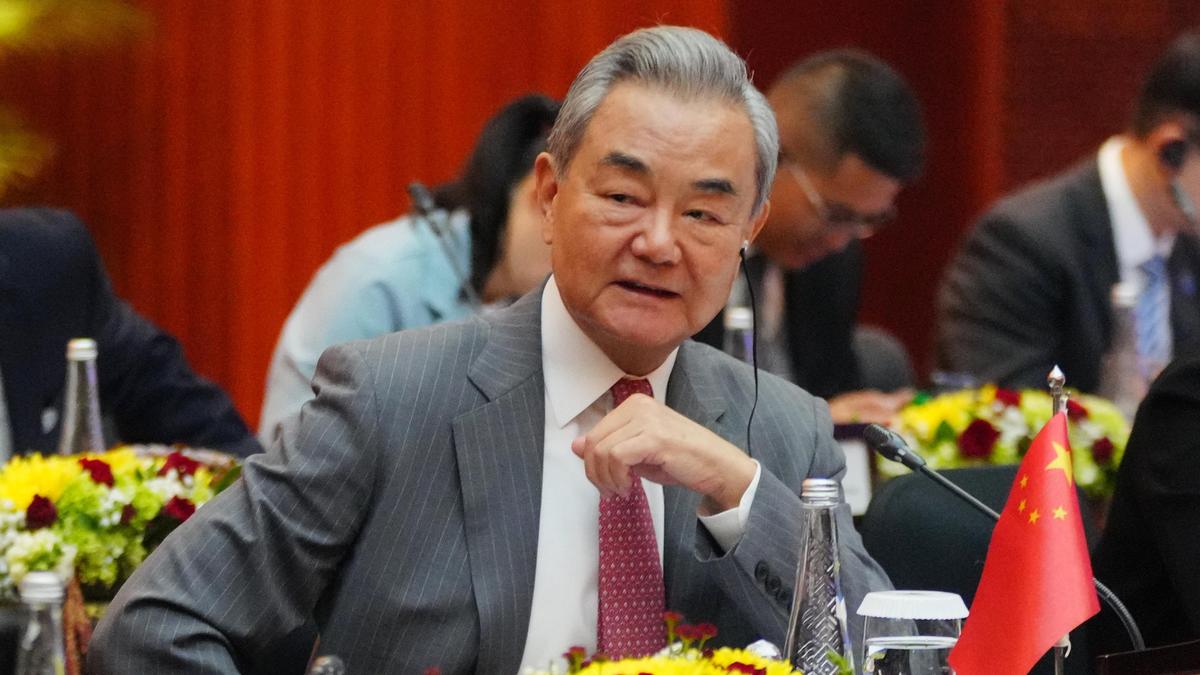
China's Foreign Minister Urges Strengthening International Ties
