Australia Implements Landmark Social Media Ban for Youth


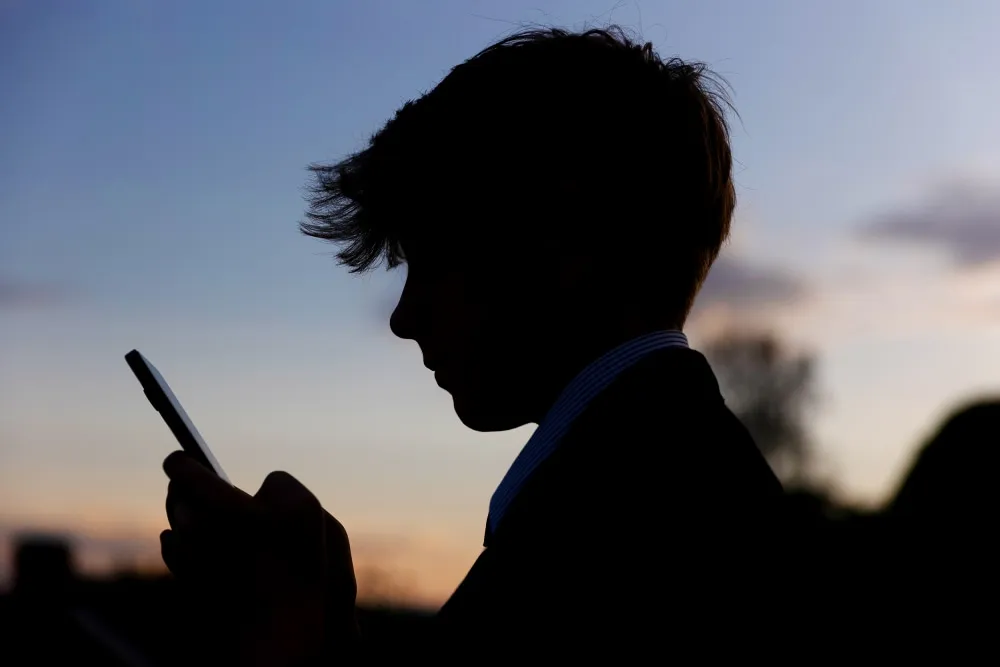
Australia is poised to become the first country to implement a ban on social media access for users under the age of 16, with over one million accounts set to be deactivated. This unprecedented move, which will take effect on Wednesday, has ignited a significant debate over its implications for youth engagement and mental health.
The Australian government has mandated that social media companies take 'reasonable steps' to prevent underage users from creating accounts, while also ensuring that existing accounts are removed. Officials assert that the measure is intended to protect children from the potentially harmful effects of social media, which experts have linked to significant mental health challenges.
Communications Minister Anika Wells stated, "With one law, we can protect Generation Alpha from being sucked into purgatory by predatory algorithms described by the man who created the feature as ‘behavioral cocaine.’" This statement was made during her address at the National Press Club in Canberra last week, highlighting the government's commitment to safeguarding the well-being of younger Australians.
The ban has received mixed reactions from the public. While many parents and young people have expressed their support, arguing it will foster healthier interpersonal interactions, critics raise concerns about the potential stifling of self-expression and access to vital online support networks. Some youth advocates argue that the ban could disproportionately affect marginalized groups or those living in remote areas of Australia.
Legal challenges have already emerged, with two teenagers contesting the ban in the High Court of Australia. They argue that the legislation was introduced without adequate consultation with young people, who feel their voices are not being heard.
Supporters of the ban believe that it may set a precedent for other nations to follow. Julie Inman Grant, the eSafety Commissioner, referred to the initiative as the "first domino" in a potential global movement towards stricter regulations on youth access to social media. The law outlines substantial fines for social media companies—up to 49.5 million Australian dollars (approximately 32 million US dollars)—if they fail to comply, although children and their parents will not face penalties for any violations.
Platforms such as Instagram, YouTube, TikTok, Facebook, X (formerly Twitter), Snapchat, and Reddit will be required to enforce age restrictions as stipulated by the law. Many of these companies have already begun implementing measures ahead of the ban, with Meta announcing last month that it would start to deactivate accounts on Instagram, Threads, and Facebook that belong to users under the age threshold.
A YouGov poll conducted last year indicated that 77% of Australians are in favour of the ban, reflecting a broad base of public support. Proponents argue that limiting social media use will encourage young people to engage more in face-to-face interactions, thereby enhancing their social skills. Jen Hummelshoj, a parent of a 12-year-old, stated, "Social media is a misnomer. The apps want kids to be focused on their phone and not their friends."
The issue of youth exposure to harmful online content is pressing. A national study commissioned by the Australian government found that 96% of children aged 10 to 15 use social media, with seven out of ten reporting instances of encountering damaging material, including violent content and information promoting self-harm. Furthermore, one in seven participants indicated they had experienced predatory behaviour online.
William Young, a 14-year-old from Perth, expressed concerns about the safety of social media platforms, noting that applications like Snapchat allow users to connect without knowledge of their identity. He urged these platforms to prioritise the safety of young users, stating, "You can friend anyone without knowing who they are. It’s just not a good platform."
In contrast, social media companies have contended that the ban could inadvertently make young users less safe by pushing them towards less secure messaging apps or encouraging them to bypass restrictions using virtual private networks, or VPNs. Snap, the parent company of Snapchat, stated, "Disconnecting teens from their friends and family doesn’t make them safer — it may push them to less safe, less private messaging apps."
Chloe Song, a 14-year-old from Melbourne, echoed this sentiment, suggesting that better digital literacy education could be more beneficial than outright bans. She argued, "We just don’t learn the life skills and we don’t learn the experience of going through and knowing what’s safe and what’s not."
Susan Grantham, a social media researcher at Griffith University, described the ban as a positive step but cautioned that it cannot serve as a standalone solution. She emphasised the need for a balanced approach to cultivating responsible digital citizens.
Critics of the ban, including 15-year-old Noah Jones, argue it undermines young people’s freedom of expression and access to educational resources. He expressed frustration at what he perceives as a lack of engagement with youth perspectives in developing the legislation. "If we just got asked, we all could’ve worked it out," he commented.
In a counterpoint, Communications Minister Wells reaffirmed the government’s determination to protect children and stated that they would not be swayed by legal challenges. Some parents, such as Dany Elachi, have welcomed the ban, citing improvements in their children’s behaviour when social media was restricted.
As Australia embarks on this significant legislative journey, the potential ramifications of the ban will be closely monitored both domestically and internationally, as other nations consider similar measures to address the challenges posed by social media usage among youth.
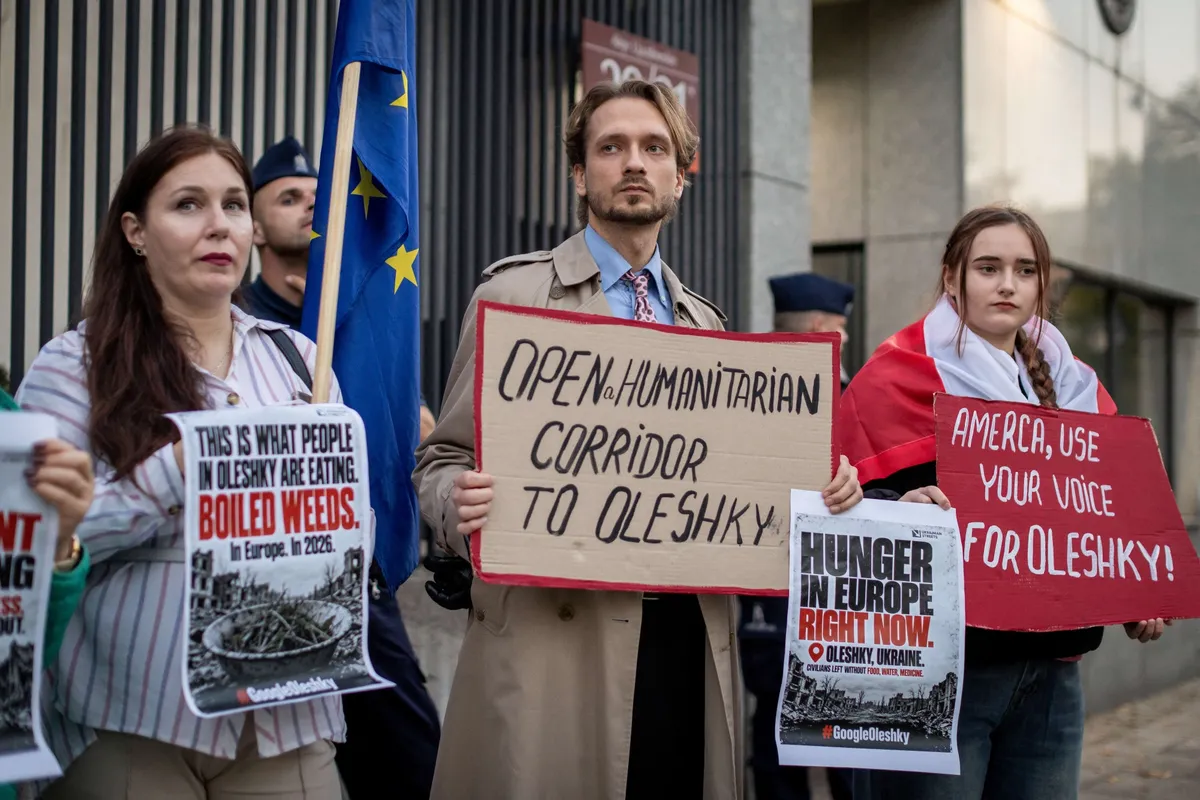
Ceasefire Agreed in Oleshky Amid Ukraine's Humanitarian Crisis
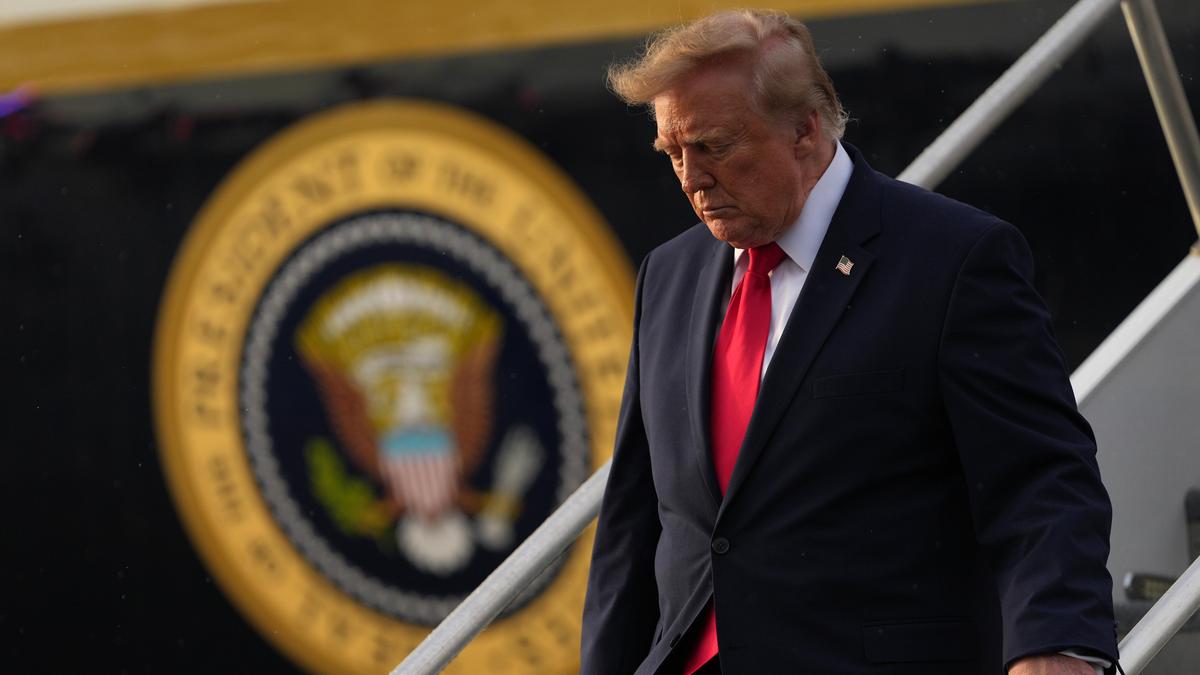
Donald Trump Hints at US Interest in Cuba After Conflict in Iran
UK Court Rules Against India in RAKIA Investment Dispute
India Raises Concerns Over Chinese Border Patrolling Deviations