Australia's Albanese Advocates for Media Rights in AI Regulation


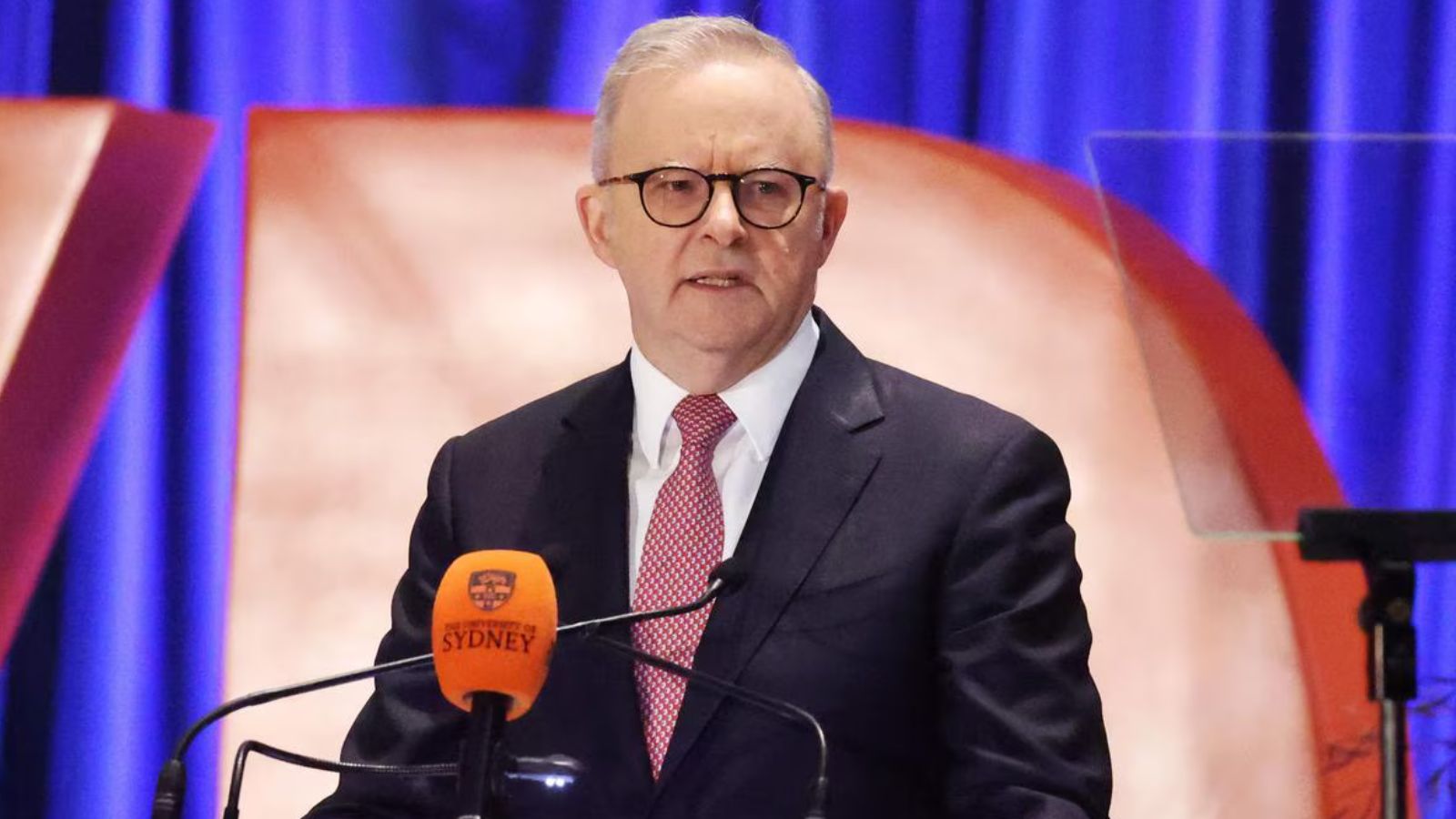
Australian Prime Minister Anthony Albanese has highlighted the importance of protecting media and creator rights within the framework of the federal government's forthcoming artificial intelligence (AI) regulations. Speaking at an event, Albanese stated that journalists, artists, writers, and musicians in Australia should retain control over how their creative works are used for AI training purposes.
The government plans to introduce a set of standards for AI in Australia, with legislation anticipated in early 2024. This initiative will also see the establishment of an Office of AI within the Department of the Prime Minister and Cabinet. While the new framework will address various issues including data centres and energy efficiency, Albanese specifically focused on the protection of creative works used in AI systems.
“Australian writers, musicians, artists and journalists must retain ownership and control of their work,” Albanese declared. He emphasised the necessity for laws that clearly define this ownership.
The Prime Minister has firmly asserted that no company should utilise Australian creative products—be it literature, music, art, or news—without the explicit consent and control of the creators, including factors such as ethical compensation. “Anything less is theft,” he stated.
This assertion has drawn attention to a significant debate in AI policy regarding whether technology firms can train models using copyrighted materials without obtaining permission or providing remuneration to the content producers.
In addition to protecting creative rights, the forthcoming standards are expected to impose regulations on large data centres. These regulations will require data centres to take responsibility for new power supplies and connection expenses, decrease energy consumption during peak grid demands, and enhance water efficiency.
The government claims the new framework aims to offer Australia a precise regulatory model for AI operations and infrastructure while safeguarding national interests and community rights.
Albanese remarked, “This is our time to decide what AI looks like here in Australia.” He added that the critical question now is not whether AI will impact the economy, but how it will be shaped moving forward.
The National Cabinet is set to review the government's approach next month, with expectations for the proposed legislation to be put forth early in the following year.
Kerala Initiates Probe into 2006 Suicide Case Involving CEC

Extradition of Sheikh Hasina Feasible, Says Indian High Commissioner

Punjabi Makeup Artist Mad Sandhu Shot Dead in Amritsar
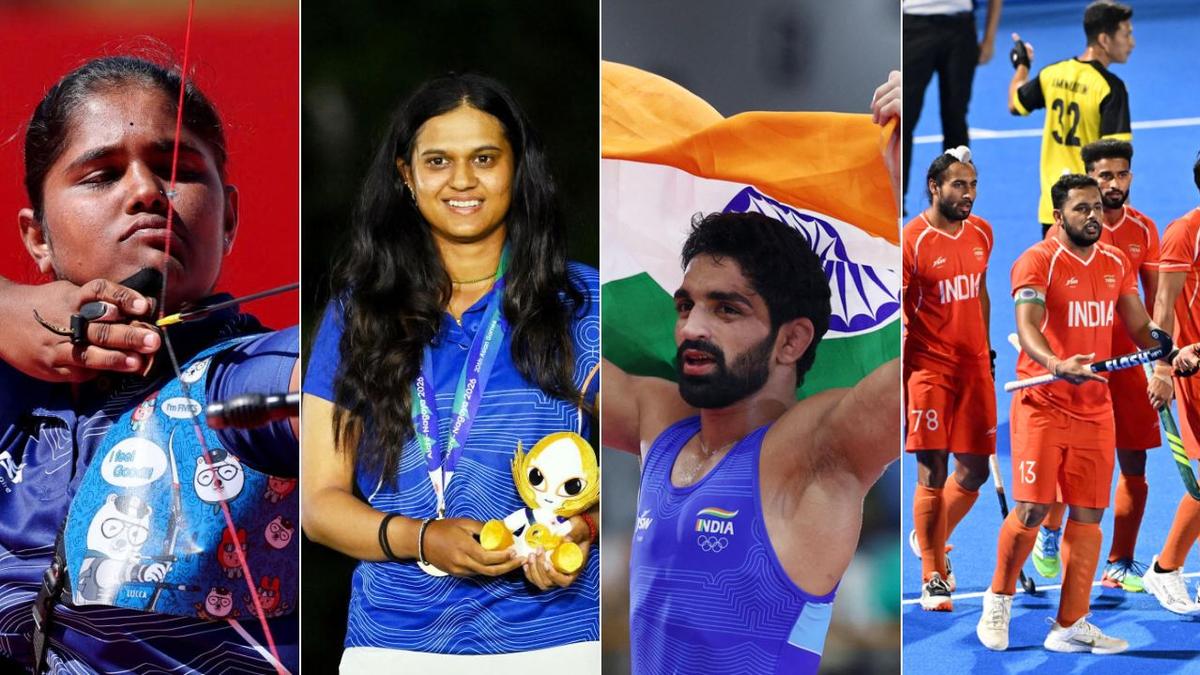
India Achieves Fourth Place at Asian Games 2026 Through Late Success