Assessing UPI's Role in India's Economic Policy Changes



The Unified Payments Interface (UPI) has significantly transformed payment systems in India since its launch in 2016. As a real-time payment system facilitating money transfers between bank accounts, UPI has been instrumental in increasing the adoption of digital payments across the country. The rise of UPI can be attributed to various government initiatives aimed at promoting cashless transactions and enhancing financial inclusion.
In recent discussions, experts have highlighted the potential impact of possible policy reversals regarding UPI. These potential changes are raising questions among stakeholders about the long-term direction of digital financial services in India. Analysts warn that altering UPI's operational framework may not only disrupt the convenience that consumers have come to expect but could also undermine the investments made by various fintech companies.
A statement from the Reserve Bank of India (RBI) noted, "Developments in payments are closely monitored, and any proposed changes will be considered in light of their implications for efficiency and security."
The growing popularity of UPI has positioned it as a key driver of the digital economy in India. The platform reportedly processed over 45 billion transactions in the last fiscal year alone, illustrating its wide acceptance. The government's aim of achieving a cashless economy hinges significantly on the performance of this payment system.
Therefore, any significant modifications to UPI's operational guidelines could potentially have broad implications for economic policy, particularly in areas such as taxation and regulation of digital transactions. Stakeholders from the financial and tech sectors are closely observing these developments, understanding that any change could reshape the landscape of digital payments in India.
The government has been proactive in encouraging digital transaction ecosystems, but the future of UPI amidst possible policy changes remains uncertain. Experts advocate for careful evaluation of any enforcement of new rules or alterations to existing frameworks to prevent disruptions in this burgeoning sector.
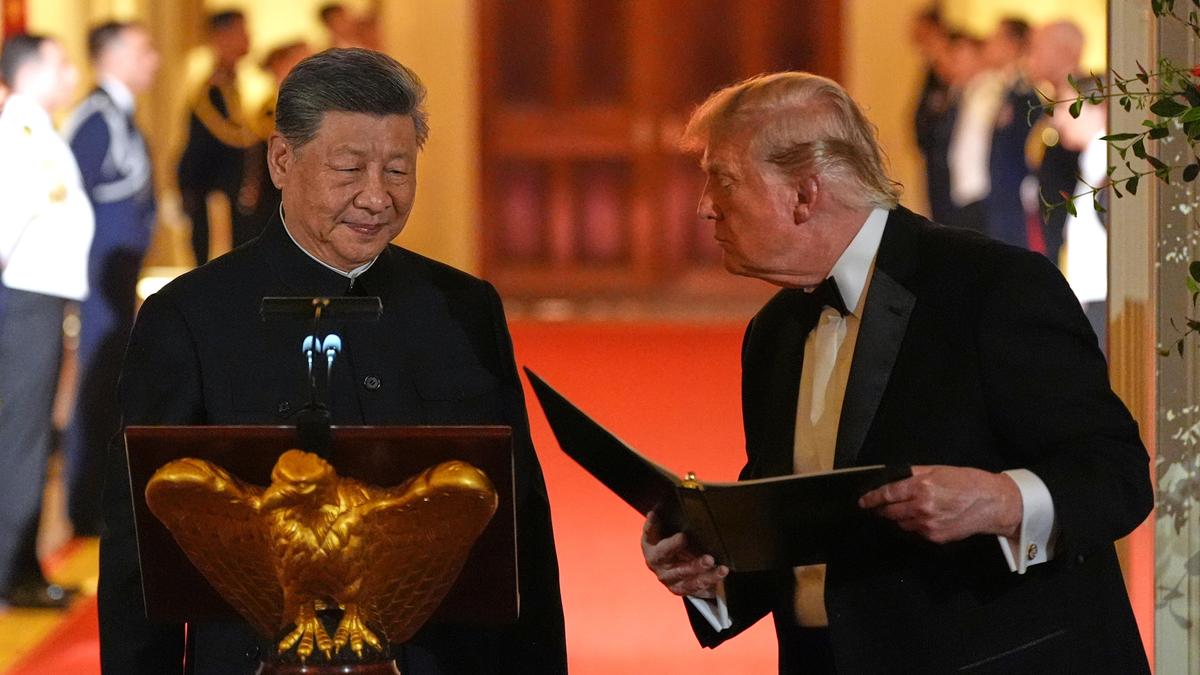
Trump and Xi Discuss Trade, AI, and Taiwan Amid Diplomatic Tensions

Xi Jinping Seeks Greater Concessions from Trump Amid Trade Talks
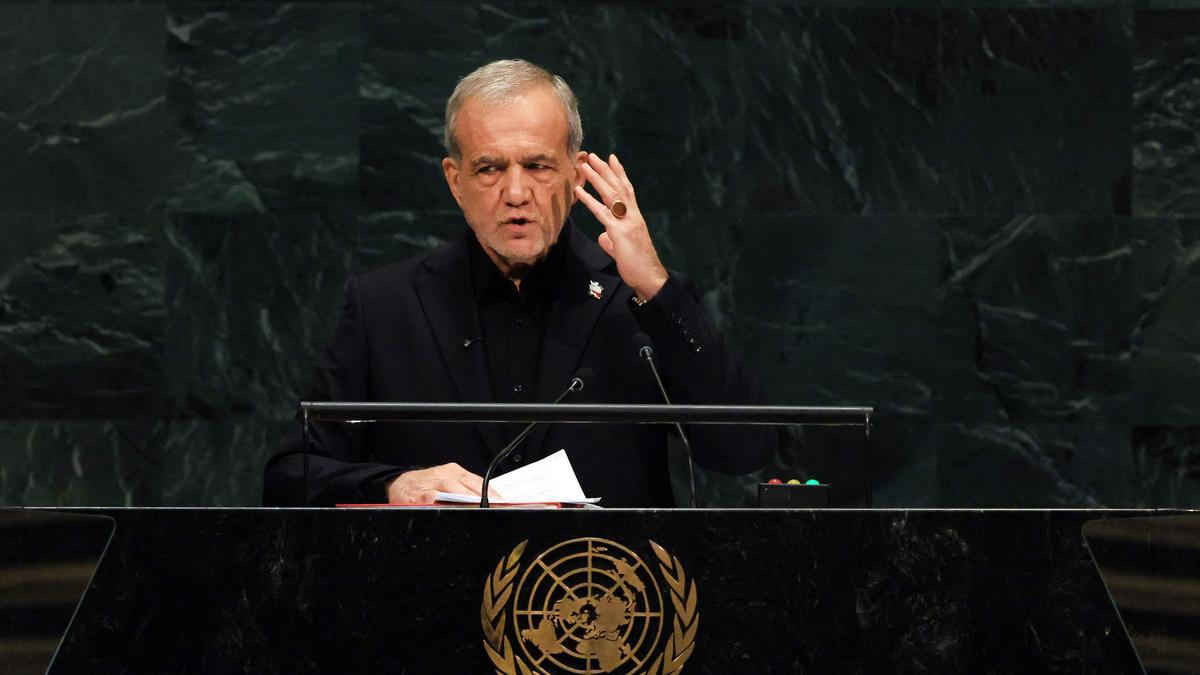
Iran's President Addresses Ongoing Conflict and External Threats
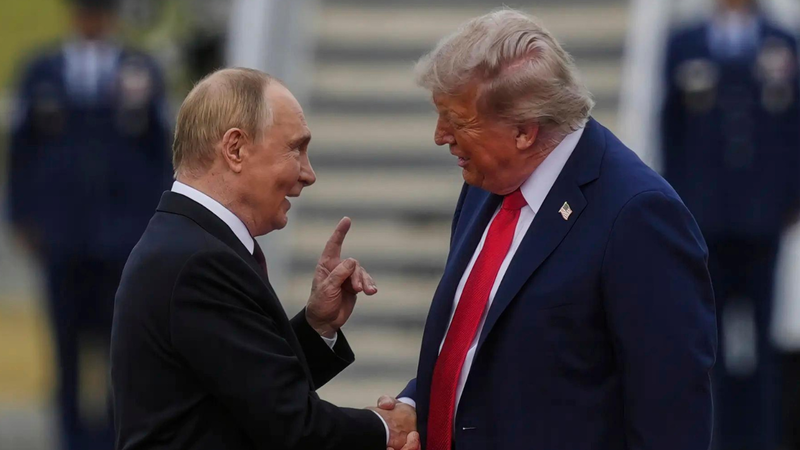
United States Invites Vladimir Putin to Miami G20 Summit