Air India Pilot's Drug Test Sparks Aviation Safety Debate


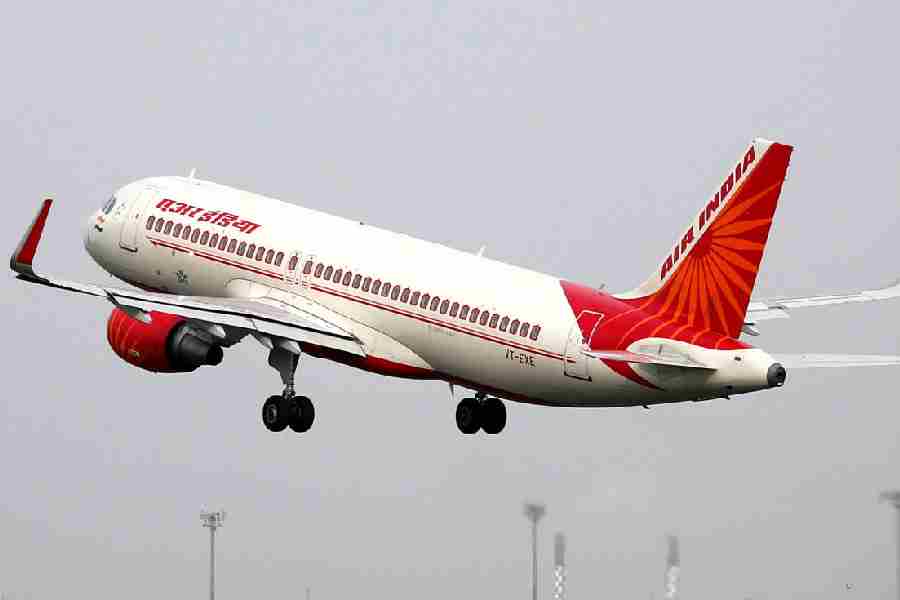
Reports have emerged regarding an Air India pilot who allegedly tested positive for cannabis following an incident on 4 August involving an Airbus A320 aircraft flying from Phuket to Delhi. The aircraft experienced a sudden altitude loss of approximately 91 metres (300 feet), resulting in injuries to 13 passengers and four crew members.
The plane, carrying 137 passengers and eight crew members, landed safely at Indira Gandhi International Airport in Delhi. Following the incident, both pilots underwent routine post-flight screenings for psychoactive substances, as indicated by India's aviation ministry. While the initial test for the captain yielded a result necessitating further confirmation, both pilots have temporarily been suspended from flying duties pending an investigation.
Media reports later suggested that the captain had tested positive for marijuana during the confirmatory laboratory test, although Air India has yet to verify this result. The situation has ignited discussions around pilot drug testing protocols and the broader implications for aviation safety in India. It is important to note that an officially confirmed positive test does not automatically establish a direct correlation between the pilot's alleged cannabis use and the aircraft's altitude loss.
The investigation into the incident is ongoing and is examining a range of factors including technical, operational, medical, and human considerations. At this stage, it remains unclear what specifically caused the aircraft's sudden plunge in altitude.
The primary concern surrounding the reported cannabis test is its implications for pilot performance. Research on how cannabis impacts the ability to perform complex tasks, such as flying, is extensive. However, determining how a positive cannabis test translates to a pilot's impairment hours after consumption is significantly more complex.
Several studies have highlighted the potential effects of cannabis on pilots. In an experiment from 1976, ten pilots were observed flying a simulator after smoking marijuana. Results showed notable performance declines in aspects such as altitude management and navigation.
Later studies conducted a decade afterwards indicated that pilots tested 24 hours post-consumption also displayed significant performance impairments, highlighting a concerning trend where pilots may be unaware of their diminished abilities following cannabis use. In the context of aviation, this raises critical questions about ensuring pilot fitness for duty after cannabis consumption.
Experts suggest that while more data is needed, cannabis consumption can inhibit fine motor skills and cognitive functions crucial for flying. A review led by aviation medicine specialist David Newman outlined that the effects of cannabis are pronounced and can persist for up to 24 hours.
The complexity of establishing impairment from cannabis use is exacerbated by evolving cannabis products and their varying potencies. A 2022 study involving regular cannabis users demonstrated that performance impairments from tetrahydrocannabinol (THC) varied greatly; the degree of impairment did not correlate directly with the substance's presence in the bloodstream or user experience.
This variance poses challenges for regulators. Unlike alcohol, which has a clear link between blood concentration and impairment, THC behaves differently in the human body. THC leaves the bloodstream swiftly but can remain detectable for days or even weeks post-consumption, complicating assessments of a pilot's fitness for flying duties.
In response to these complexities, other countries have implemented strict regulations regarding cannabis consumption by flight crews. Following the legalisation of recreational cannabis in Canada in 2018, Transport Canada established regulations prohibiting flight personnel from using cannabis within 28 days prior to their duties.
Such measures illustrate how regulators are attempting to address the evolving landscape of cannabis use and its implications for air travel safety. As investigations continue into the Air India incident, the aviation community may need to reevaluate existing drug testing protocols to better ensure passenger safety and pilot competency.
India's Jaishankar Criticises Pakistan at UN General Assembly
Iran Asserts Readiness for War Amid Rising Tensions in Hormuz

Israeli Prime Minister Netanyahu Makes Unannounced Visit to UAE

World Leaders Gather for Climate Summit, Pledges Made