AI-Identified Biomarkers: Potential and Challenges in Healthcare


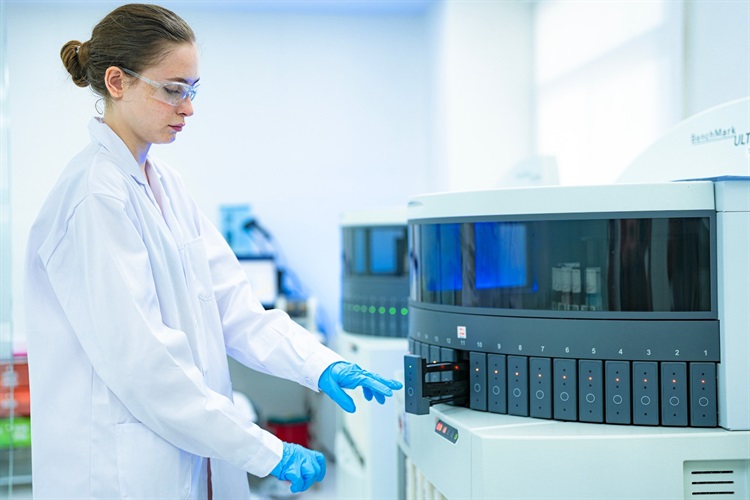
In a comprehensive review published in the journal Signal Transduction and Targeted Therapy, researchers assessed the contributions of artificial intelligence (AI) to biomarker discovery and validation. While AI holds promise in identifying disease signals, the authors emphasise that predictive accuracy alone is insufficient for practical patient care.
Biomarkers are essential indicators for detecting, classifying, and managing various health conditions. However, many markers that demonstrate strong initial results fail to replicate in independent studies or do not enhance clinical decision-making. The review highlights the diverse data types involved in biomarker research, including genomic, proteomic, imaging, and digital data.
AI enables the integration of these multifaceted datasets, allowing the identification of complex patterns that may indicate disease processes. However, limitations such as bias, confounding variables, and data variability can hinder effective translation into clinical applications. The authors advocate for the need for biomarkers that are not only reproducible and biologically relevant but also prospectively validated for clinical use.
Different categories of biomarkers are explored, including molecular, circulating, imaging, and digital types. In the molecular domain, techniques such as genomics, proteomics, and epigenomics are utilised. Multi-omics approaches combine these disciplines, while single-cell and spatial methodologies maintain the necessary cellular and tissue context.
Cellular biomarkers assess immune activity and other functions, while circulating biomarkers like cell-free deoxyribonucleic acid (cfDNA) and proteins provide less invasive means for disease assessment. However, their effectiveness is influenced by several factors, including preanalytical processing and patient characteristics. Extracellular vesicles also offer potential as biomarkers but face challenges related to isolation and quantification.
Imaging biomarkers contribute vital information regarding tissue structure through technologies like computed tomography and magnetic resonance imaging. Yet, inconsistencies in acquisition and equipment present hurdles for their standardisation across locations.
Digital biomarkers, collected via wearable sensors and smartphones, can track health metrics such as physical activity and sleep patterns. Nonetheless, issues related to data completeness and behavioural confounders remain significant challenges.
Machine learning techniques are valuable for processing extensive datasets. Traditional approaches like regularised regression can identify potential biomarkers, while deep learning is effective for complex data types, including images. Multi-modal machine learning methods integrate various data forms, enhancing the potential for meaningful insights.
Despite the advancements, most AI-discovered biomarkers exhibit correlational rather than causal relationships. This limitation raises concerns regarding their applicability in guiding treatment decisions. The authors contend that for a marker to be clinically useful, it must be rooted in biological mechanisms.
Mechanistic AI approaches aim to connect patterns to biological processes, employing models that encode known relationships and distinguish causal influences from mere correlations. The authors underscore the importance of thorough validation, including external replication and testing across diverse populations.
They propose a structured pathway for the development of new biomarkers, encompassing discovery, external validation, and clinical utility assessment. Overcoming common barriers, such as data heterogeneity and limited cohort diversity, is essential to enhance the feasibility of integrating these findings into clinical workflows.
The review concludes with a call for more harmonised data collection practices and transparent reporting standards. By prioritising comprehensive validation and standardised assessment, AI can effectively advance biomarker discovery, ultimately benefiting patient care and therapeutic strategies.

SCO National Coordinators' Meeting Begins in Islamabad, Pakistan

Protests Erupt Over Mosque Demolition for Road Widening in Ujjain

Forty Criminal Networks Disrupted Across India, Says Amit Shah

China Dominates Athletics at 2026 Asian Games with Relay Victories
