AI-Designed Universal Coronavirus Vaccine Completes First Human Trial


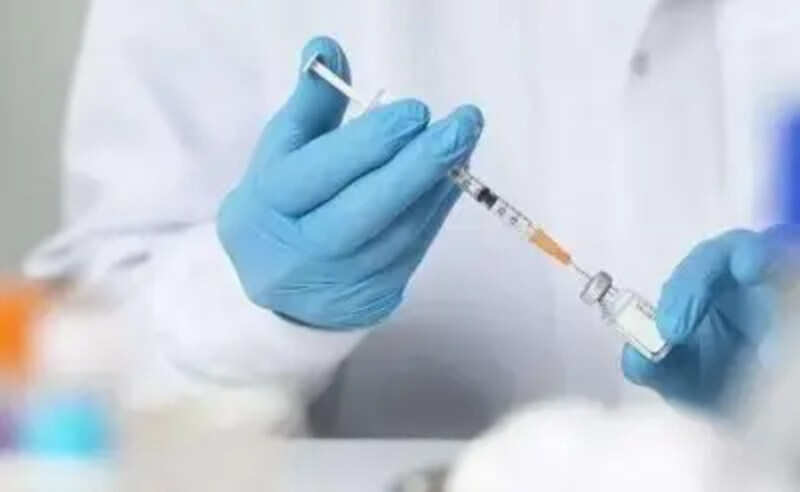
In a significant advancement in vaccine development, a novel universal coronavirus vaccine has successfully concluded its first human clinical trial. This achievement, led by researchers at the University of Cambridge alongside the spinout company DIOSynVax (DVX) Ltd, signifies progress towards enhanced protection against potential future viral outbreaks.
The vaccine, tested on 39 healthy volunteers, was found to be safe, with no major side effects reported. Unlike conventional vaccines, which target specific strains, this innovative vaccine aims to safeguard against various members of the Sarbeco coronavirus family. This group encompasses not only SARS-CoV-2, responsible for the COVID-19 pandemic but also the original SARS virus and additional bat coronaviruses that may pose risks to human health.
Published in the Journal of Infection, the trial demonstrated the vaccine's capability to elicit immune responses not only against SARS-CoV-2 and SARS but also against bat viruses that have yet to infect humans. This trial was notable as it marked the first instance where a vaccine, with its active ingredient entirely designed through computer simulations, was tested in human subjects.
Artificial intelligence (AI) played a vital role in the development process. Researchers employed AI and machine learning to create what they refer to as a 'super-antigen.' This antigen, a crucial component of a vaccine, trains the immune system to identify and combat infections. Rather than concentrating on a specific virus strain, the AI system assessed genetic data from Sarbeco coronaviruses gathered globally and identified common features across the entire virus group. These features were subsequently integrated into a singular vaccine antigen.
The overarching goal is to confer protection not only against established viruses but also against future strains that have not yet emerged. Professor Jonathan Heeney, from the University of Cambridge's Lab of Viral Zoonotics, underscored the significance of this approach, stating, 'This trial proves the safety of an entirely new way of designing vaccines.' He emphasized the potential to expand this strategy to other virus families, including those that cause Ebola and influenza.
Current vaccines, such as seasonal flu shots or revised COVID-19 vaccines, are often developed based on circulating virus strains. Given the continuous evolution of viruses, these vaccines frequently require reformulation and annual updates. Professor Heeney believes this new method could address that ongoing challenge. 'We've converted vaccine development from being reactive to being future-proof,' he explained. 'Our vaccines will continue to provide protection against viruses even as they mutate into new strains.'
The human trial involved volunteers aged between 18 and 50 at National Institute for Health and Care Research (NIHR) Clinical Research Facilities located in Southampton and Cambridge. Sponsored by University Hospital Southampton NHS Foundation Trust (UHSFT), the study administered the vaccine as a DNA format using a microfluidic jet system, an approach that avoids needles and may appeal to those averse to injections. This method could simplify large-scale vaccination efforts, especially in environments where traditional needles pose challenges.
Preceding human trials, animal studies confirmed the vaccine's effectiveness in generating strong immune responses against multiple coronaviruses. However, further testing is necessary before it can be made available for public distribution. Plans are underway for a more extensive Phase 2 study, which aims to evaluate immune responses among a diverse participant pool to verify the vaccine's comprehensive protective capabilities.
The urgency for broader vaccine protection is underscored by the continuous circulation of many potentially hazardous viruses among animals. Professor Saul Faust from the University of Southampton, the trial’s chief investigator, stated, 'The current reactive vaccine system struggles to keep pace, making this new class of universal vaccines essential.' He further elaborated that timely development of these vaccines has the potential to save millions of lives, avoid lockdowns, and preserve economic stability.
Professor Marian Knight, Scientific Director for NIHR Infrastructure, characterised the trial's results as a significant advancement in delivering extensive, long-lasting viral protection. 'Partnerships between the life sciences sector and NIHR infrastructure have been crucial in fast-tracking this innovation,' she noted.
Researchers emphasise the ongoing public health risks posed by SARS-CoV-2 and other Sarbeco coronaviruses. As viruses continue to evolve, predicting which one may emerge next remains uncertain. The project received substantial funding from Innovate UK. DIOSynVax, established in 2017 as a University of Cambridge spinoff with backing from Cambridge Enterprise, continues to develop vaccines aimed at seasonal influenza, pandemic influenza threats, haemorrhagic fever viruses, and coronaviruses, including SARS-CoV-2.

Kerala Initiates Probe into 2006 Suicide Case Involving CEC

Extradition of Sheikh Hasina Feasible, Says Indian High Commissioner

Punjabi Makeup Artist Mad Sandhu Shot Dead in Amritsar

India Achieves Fourth Place at Asian Games 2026 Through Late Success