India urges respect for diplomatic premises amid escalating Sudan conflict


| 2024-10-02

India is following the security situation in Sudan, MEA Spokesperson Randhir Jaiswal said. (File photo).
UAE reported an attack on the residence of its Ambassador in Sudanese capital Khartoum earlier this week
India has raised serious concerns over the worsening security situation in Sudan, following reports of an attack on the residence of the UAE Ambassador in Khartoum earlier this week. The Ministry of External Affairs (MEA), through its Official Spokesperson Randhir Jaiswal, emphasized the need to uphold the inviolability of diplomatic premises, urging respect for international diplomatic laws amidst the escalating conflict.
In response to media queries on Wednesday (October 2, 224), Jaiswal remarked, "We are following the security situation in Sudan. The inviolability of diplomatic premises in any conflict must be respected, and reports of the attack on the residence of the UAE Ambassador in Khartoum are of serious concern."
The conflict in Sudan has intensified in recent months, primarily between the Sudanese Armed Forces and the paramilitary Rapid Support Forces (RSF), resulting in severe security concerns. The conflict, which erupted after failed negotiations between Sudanese military factions, has led to widespread violence across the capital Khartoum and other regions. The ongoing clashes have destabilized the country, drawing in various regional and international stakeholders.
One of the most significant recent developments in the conflict was the reported attack on the residence of the UAE Ambassador in Khartoum. The United Arab Emirates (UAE) condemned the incident, blaming a Sudanese military aircraft for the attack, which caused extensive damage to the building. In a statement issued on Monday (September 30, 2024), the UAE Foreign Ministry labeled the attack as a “heinous” act and called on the Sudanese military to take full responsibility for what it described as a flagrant violation of international diplomatic norms.
The attack has further strained already-tense relations between Sudan and the UAE. Historically, the UAE has supported factions within Sudan, especially following the ousting of former President Omar al-Bashir. The Sudanese military, in turn, has accused the UAE of financing and arming the RSF, exacerbating internal divisions within Sudan. Although the Sudanese army denied involvement in the attack on the ambassador’s residence, the allegations reflect deepening tensions between the two countries.
The UAE’s involvement in Sudan is part of its broader regional strategy in the Red Sea, where it has sought to counter the influence of other regional powers, such as Iran. Its role in Sudanese politics has made it a significant player in the country’s internal conflicts, further complicating the geopolitical landscape.
India’s response aligns with the broader international concern over the situation in Sudan, particularly with respect to the protection of diplomatic missions. Under the Vienna Convention on Diplomatic Relations, diplomatic premises must be protected at all times, even during conflicts. Attacks on embassies and diplomatic residences are viewed as serious violations of international law, and such incidents could lead to further diplomatic fallout.
The UAE has announced that it will raise the issue with the League of Arab States, the African Union, and the United Nations, calling for collective action to address the violation of diplomatic norms. The broader international community continues to monitor the situation closely, with concerns over the potential for further regional instability.
As the conflict in Sudan escalates, the safety and security of diplomatic missions have become a key issue. India's call for respect for diplomatic premises underscores the importance of adhering to international laws and norms in times of conflict. The situation remains volatile, and the coming weeks will likely see increased diplomatic activity as nations seek to protect their interests and ensure stability in the region.

Ceasefire Agreed in Oleshky Amid Ukraine's Humanitarian Crisis
Russia and Ukraine reach a ceasefire deal in Oleshky as humanitarian conditions worsen for civilians, allowing aid and evacuation efforts.
| 2026-10-24
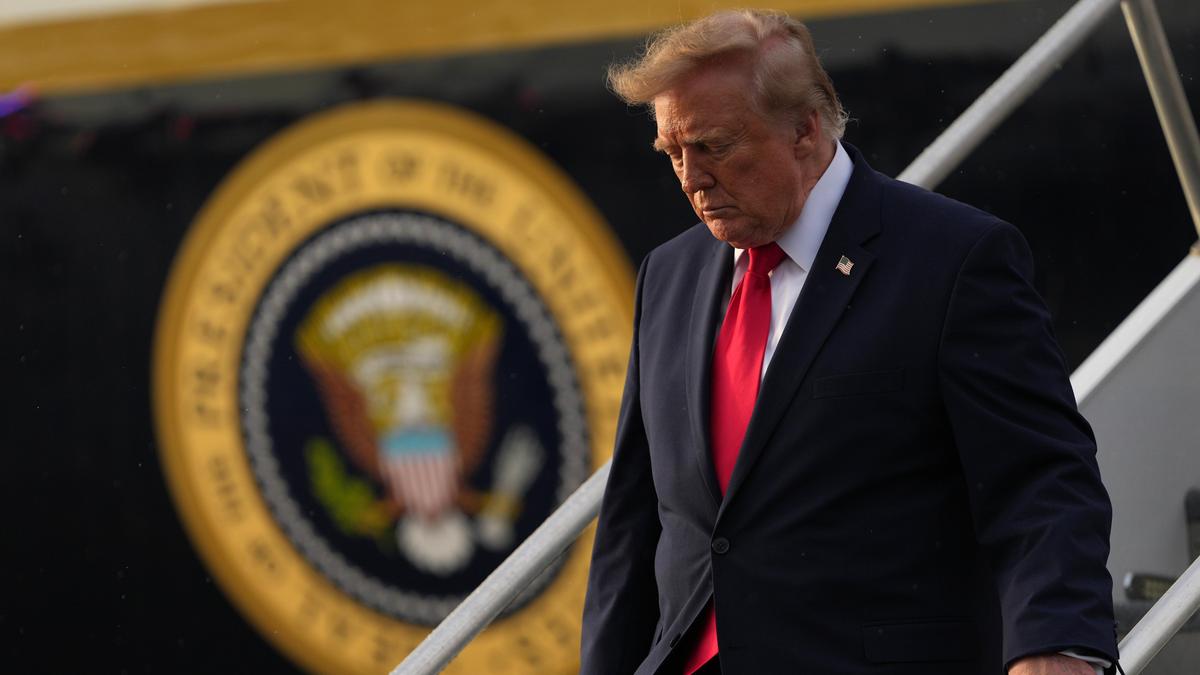
Donald Trump Hints at US Interest in Cuba After Conflict in Iran
Former President Donald Trump suggests a potential US focus on Cuba following military operations in Iran, stirring international speculation.
| 2026-10-24
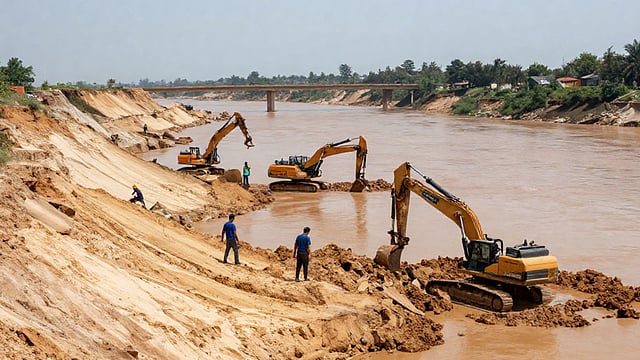
UK Court Rules Against India in RAKIA Investment Dispute
The English Court of Appeal dismisses India's appeal over a bauxite supply agreement dispute with Ras Al Khaimah Investment Authority.
| 2026-10-24
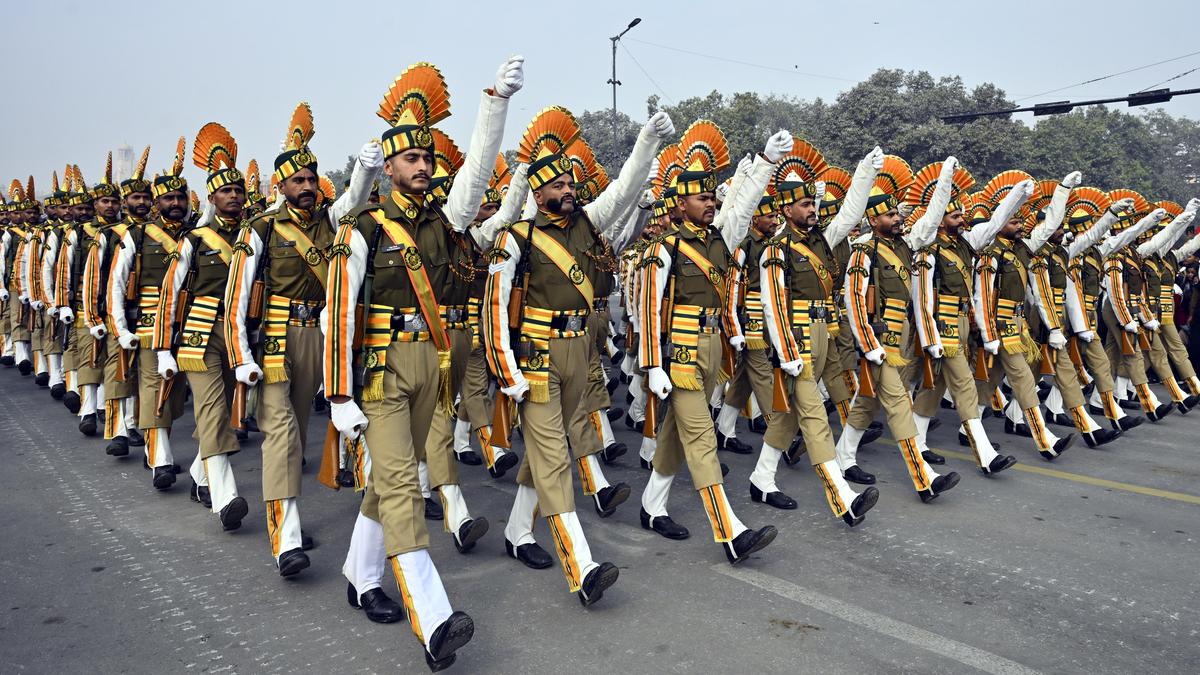
India Raises Concerns Over Chinese Border Patrolling Deviations
India's Ministry of External Affairs addresses China's border patrol irregularities amid rising tensions along the Line of Actual Control.
| 2026-10-24
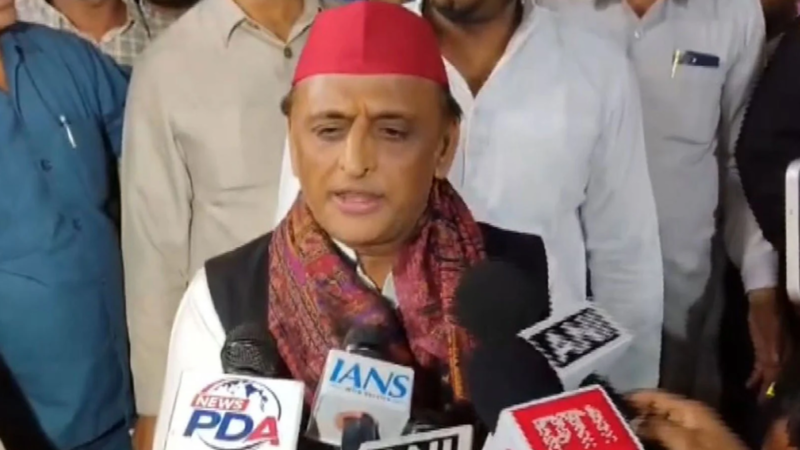
Akhilesh Yadav Questions Seat-Sharing Figures Amid Congress Demand
Samajwadi Party leader Akhilesh Yadav casts doubt on seat-sharing claims as Congress seeks 175 to 200 seats ahead of upcoming elections.
| 2026-10-24