Navigating disarmament in the age of AI: India assumes presidency of Conference on Disarmament


| 2024-01-18

Established in 1979, the Conference on Disarmament operates under the auspices of the United Nations.
India plays a substantial role in the organisation, considering its historical promotion of disarmament
In a significant development, India is set to take over as the Presidency at Conference on Disarmament (CD) in January and February of 2024, a position that it last held 11 years ago.
The Conference on Disarmament is a central element in the disarmament machinery that negotiates arms control treaties. Established in 1979, it operates under the auspices of the United Nations and is based in Geneva, Switzerland. It has 65 militarily-significant nations as members.
India, which will hold the presidency for four weeks, succeeds Hungary and will be followed by Indonesia, Iran, Iraq, Ireland and Israel. India’s Presidency takes place amidst major geopolitical stresses.
Announcing the development on Wednesday (January 17, 2024), the Permanent Mission of India to the Conference on Disarmament said the current focus of the organisation is on Nuclear Disarmament, FMCT, Outer Space, Negative Security Assurances, New WMDs, Radiological Weapons, and Transparency in Armaments.
This development comes at a time when the world grapples with complex challenges brought about by the rapid advancement of Artificial Intelligence (AI), and the military implications it poses.
During a recent visit to India, United Nations High Representative and Under-Secretary-General for Disarmament Affairs Izumi Nakamitsu has had wide consultations with several senior Indian Government officials. The focus of these deliberations was India’s forthcoming leadership role in the CD, an annual multilateral disarmament negotiating forum.
Her visit timed with her participation in the Global Technology Summit organized by Carnegie India at which she delivered a keynote address underlining an important nexus of AI, international humanitarian law as well as lethal autonomous weapons systems (LAWS). Highlighting the ethical and security dimensions of AI in military applications, she underlined the imperative of maintaining human oversight in deployment of force.
While meeting with high-level officials of India, Nakamitsu touched on a breadth of issues. The topics that were raised and discussed during the course of these meetings varied from that of subtleties associated with India's CD Presidency to larger concepts such as nuclear security, regional stability, and challenges of the emerging technologies.
A substantial role in the CD belongs to India, considering its historical promotion of disarmament. It was India that actually initiated the treaty to ban nuclear tests in the world and voiced the cessation of materials' production used in producing nuclear weapons. India brings with it a long-standing commitment to disarmament and a nuanced understanding of new challenges posed by technological advancements.
Through this rotating presidency of four weeks by each of the members, the CD has played the central role in addressing vital issues like nuclear disarmament and prevention of nuclear war. India's upcoming presidency is testimony not only of its active participation in the forum but also signals a fresh focus towards managing the complexity of weapons of mass destruction in the AI era.
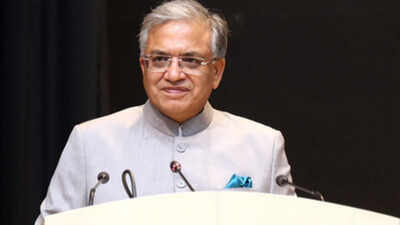
Kerala Initiates Probe into 2006 Suicide Case Involving CEC
The Kerala government has ordered a vigilance investigation following a 2006 suicide incident linked to Chief Election Commissioner Gyanesh Kumar.
| 2026-10-04
Extradition of Sheikh Hasina Feasible, Says Indian High Commissioner
Indian High Commissioner to Bangladesh claims Sheikh Hasina's extradition is possible through a structured process, fostering bilateral cooperation.
| 2026-10-04

Punjabi Makeup Artist Mad Sandhu Shot Dead in Amritsar
Influencer and makeup artist Mad Sandhu was fatally shot in Amritsar. Police have launched an investigation into the incident.
| 2026-10-04
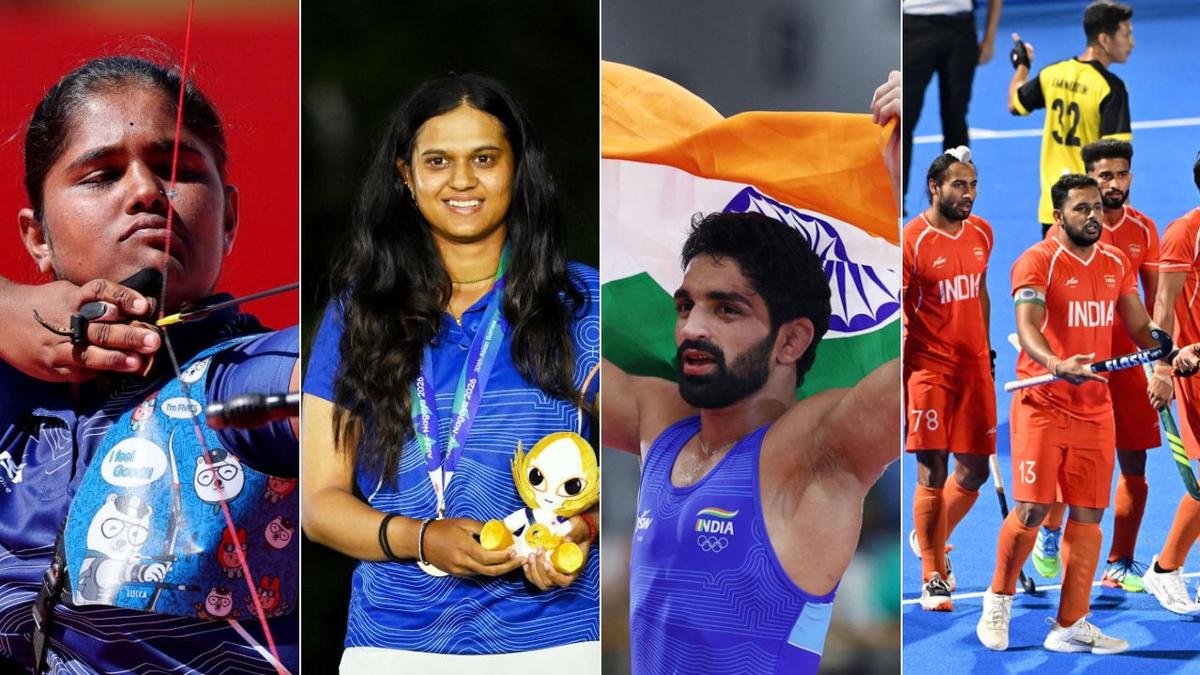
India Achieves Fourth Place at Asian Games 2026 Through Late Success
India secured fourth place in the Asian Games 2026 medals tally, boosted by impressive performances in key sports such as boxing and archery.
| 2026-10-04
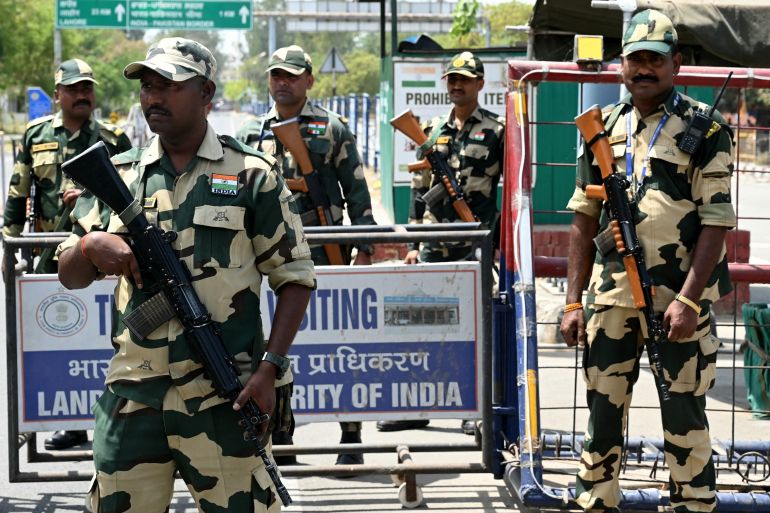
Pakistan Requests Indian Diplomat's Presence Over Border Incident
Pakistan has summoned an Indian diplomat to protest the alleged killing of two citizens by the Border Security Force.
| 2026-10-04