Xi Jinping Urges Caution on Taiwan During Trump Summit in Beijing


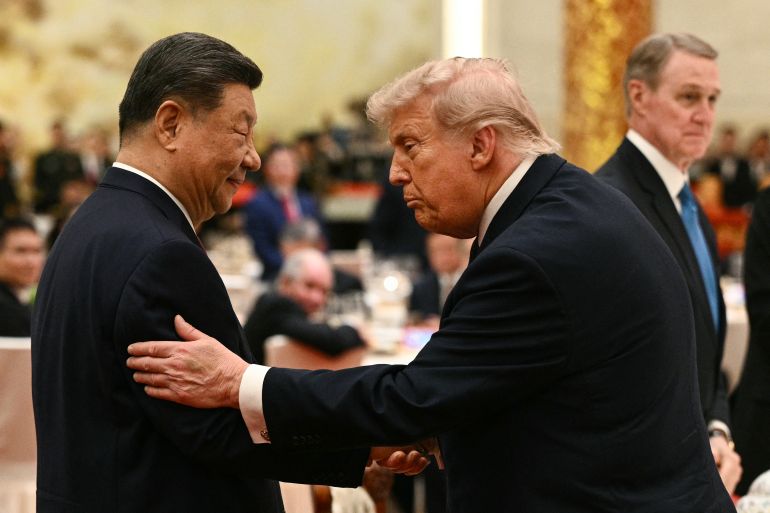
During a recent summit in Beijing, Chinese President Xi Jinping cautioned United States President Donald Trump that missteps regarding Taiwan could lead to serious consequences for bilateral relations. The two leaders convened amid a backdrop of ongoing international tensions, marking the first visit by a US president to China in nearly a decade.
Upon arriving in China, Trump commended Xi as a "great leader" and a "friend," issuing an invitation for Xi to visit the White House in September. However, Xi framed the discussions with a pointed warning about Taiwan, which China considers a part of its territory. He stated, "The Taiwan question is the most important issue in China-US relations," and elaborated that mismanagement of this issue could lead to conflict, potentially destabilising the broader relationship between China and the United States.
The meeting, which lasted approximately two hours and 15 minutes, included an emphasis on the necessity for both nations to act as partners rather than rivals. Despite the focus on Taiwan, both leaders acknowledged the importance of maintaining a constructive relationship. Trump referred to the summit as potentially the most significant in history, highlighting its relevance against the backdrop of his administration's challenges, including ongoing military issues in the Middle East.
At a state banquet following their discussions, Trump remarked on the deep mutual respect shared by citizens of both nations and drew on historical ties to bolster his point. Xi echoed this sentiment, stating, "The people of China and the United States are both great peoples," suggesting that their ambitions could benefit from collaboration.
On the economic front, Xi reported positive outcomes from preparatory discussions on trade and investment between US and Chinese teams held in South Korea shortly before the summit. However, he underscored that while China is open to dialogue on various issues, its stance on Taiwan remains rigid. Reports indicate that China expects the US to acknowledge its claim over Taiwan as a condition for improved relations.
An assessment from the White House suggested that Trump and Xi's discussions were fruitful, particularly in terms of enhancing economic ties and increasing market access for American businesses. However, the US continues to maintain a position of "strategic ambiguity" regarding Taiwan, a policy that refrains from issuing support for Taiwanese independence while recognising its existence as part of China's historical narrative.
In related statements, US Treasury Secretary Scott Bessent remarked that Trump understands the sensitivities surrounding Taiwan and intends to address the matter publicly in the following days. Meanwhile, Taiwan's Mainland Affairs Council indicated that there were no unexpected developments from the summit, reaffirming its connection with Washington on this issue.
Finally, Xi and Trump also reportedly reached consensus on the necessity of keeping the Strait of Hormuz open for free energy trade and agreed on a shared objective of preventing Iran from acquiring nuclear weapons. These discussions illustrate the multifaceted nature of US-China relations, where both leaders perceive leverage points in differing areas of international concern.
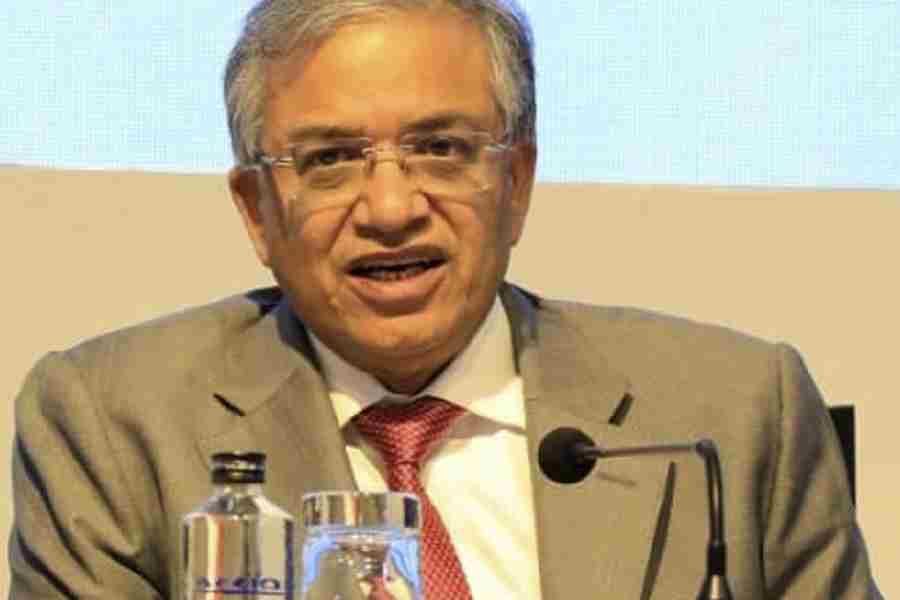
BJP Allies Urge Election Commission to Address Public Concerns

Thousands of Ganesh Idols Immersed in Telangana Festivities
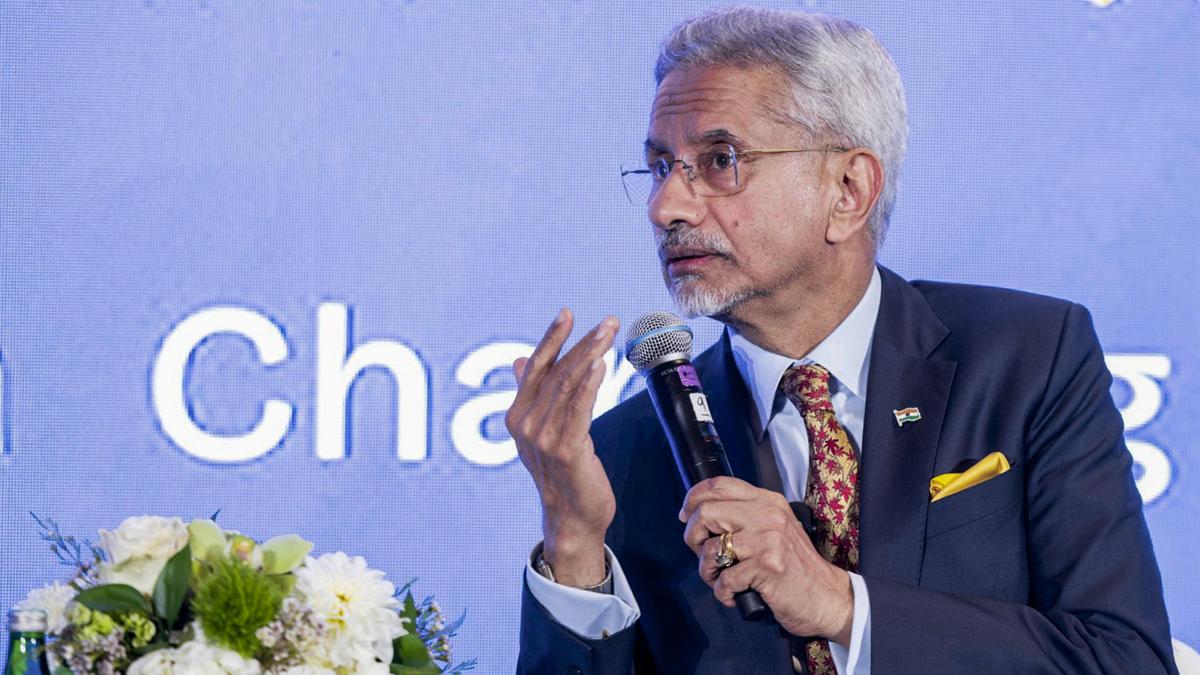
Jaishankar Calls Attacks on Civilian Shipping ‘Indefensible’
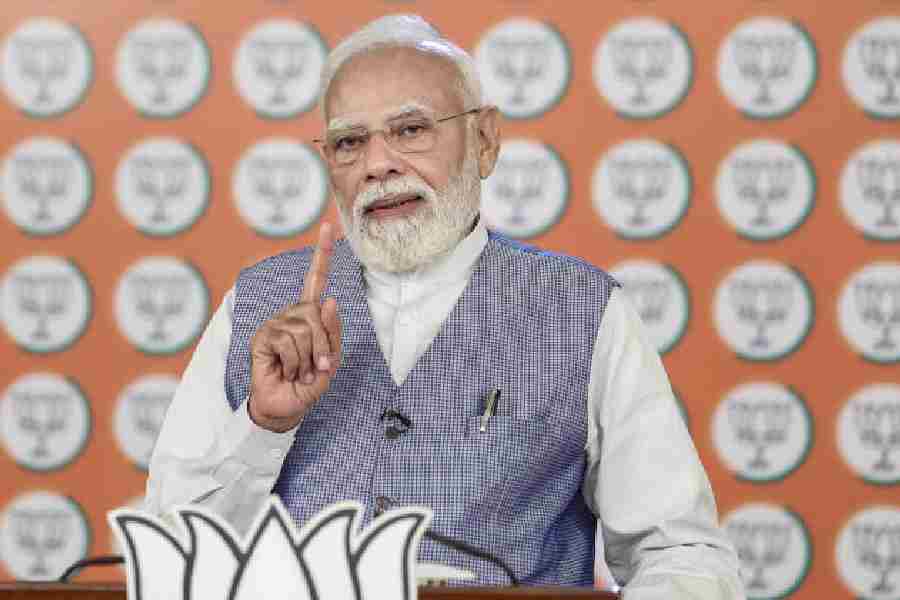
Indian Prime Minister Urges Integration of Social Reforms in Governance