Iran Permits Chinese Vessels Through Strait of Hormuz Amid Regional Tensions


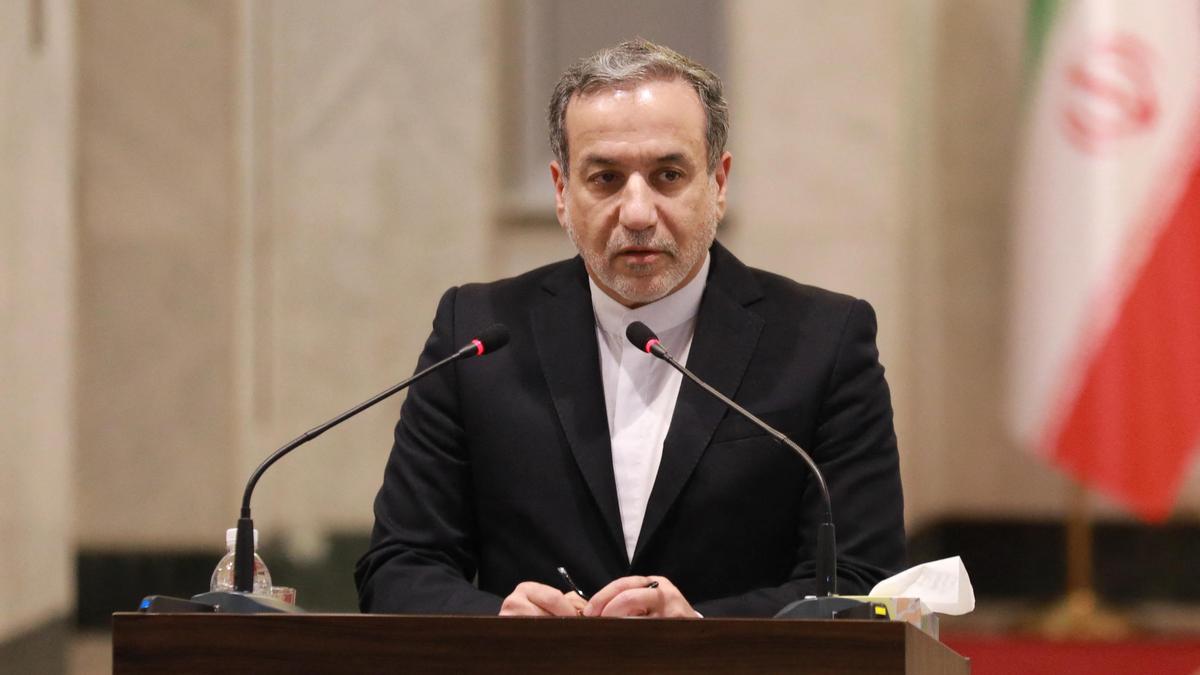
Iran has announced that a number of Chinese vessels have been granted permission to navigate through the Strait of Hormuz, a critical shipping route. This development, reported by Iranian media on May 14, comes amidst heightened tensions in the region due to ongoing hostilities involving the United States and Israel. Iranian news agency Tasnim stated that these vessels began their passage on the evening of May 13, following an agreement on Iranian-managed transit protocols, although specific details about the number of ships remain unclear.
Iran's Deputy Foreign Minister Kazem Gharibabadi has indicated that Iran has traditionally offered free navigation services in the Strait of Hormuz. However, as regional dynamics shift, the Islamic Republic is now considering implementing a financial component for these services to cover costs associated with maintaining safe passage in the Persian Gulf.
Meanwhile, tensions continue to escalate as Iran's Foreign Minister Seyed Abbas Araghchi has levelled accusations against the United Arab Emirates (UAE), claiming its active involvement in aggression against Iran. "The UAE is an active partner in this aggression, and there is no doubt about it," Araghchi stated while attending the BRICS summit in New Delhi.
The conflict has broader implications for international relations, particularly as close ties between Israel and the UAE are scrutinised. Reports of a secret meeting between Israeli Prime Minister Benjamin Netanyahu and UAE President Mohammed bin Zayed Al Nahyan have surfaced, although the UAE has denied any such encounter.
In a separate development, US President Donald Trump has indicated that China’s President Xi Jinping has expressed willingness to assist in mediating the ongoing conflict in the region, stating in an interview, "He would like to see a deal made." This statement highlights the geopolitical intricacies of the situation, given China’s substantial reliance on Iranian oil.
As regional stakeholders engage in dialogue, Israeli and Lebanese delegations have convened at the US State Department for discussions aimed at preserving a fragile ceasefire, which is due to expire imminently. According to US officials, there is cautious optimism regarding these talks, with the aim of preventing further escalation.
Lebanon’s landscape is steeped in a desire for de-escalation, with citizens reflecting on the longstanding animosity towards Israel, exacerbated by ongoing military activities. A local diplomat noted, "People here in southern Lebanon are cautiously optimistic about the possible results from these meetings." There is a shared sentiment that while a formal normalisation is hindered by legal barriers, the immediate need is to halt violence.
As the situation remains fluid, Iranian forces have also reportedly boarded vessels Northeast of the UAE amid ongoing tensions, with maritime regulations scrutinised as regional security measures are enforced amidst a backdrop of military actions.
Calls for international dialogue and a resolution grow louder as fears over potential broader conflict remain. With multiple parties involved, the ramifications of these discussions extend well beyond the immediate region, implicating global economic infrastructures reliant on the stability of the Hormuz Strait.

BJP Allies Urge Election Commission to Address Public Concerns
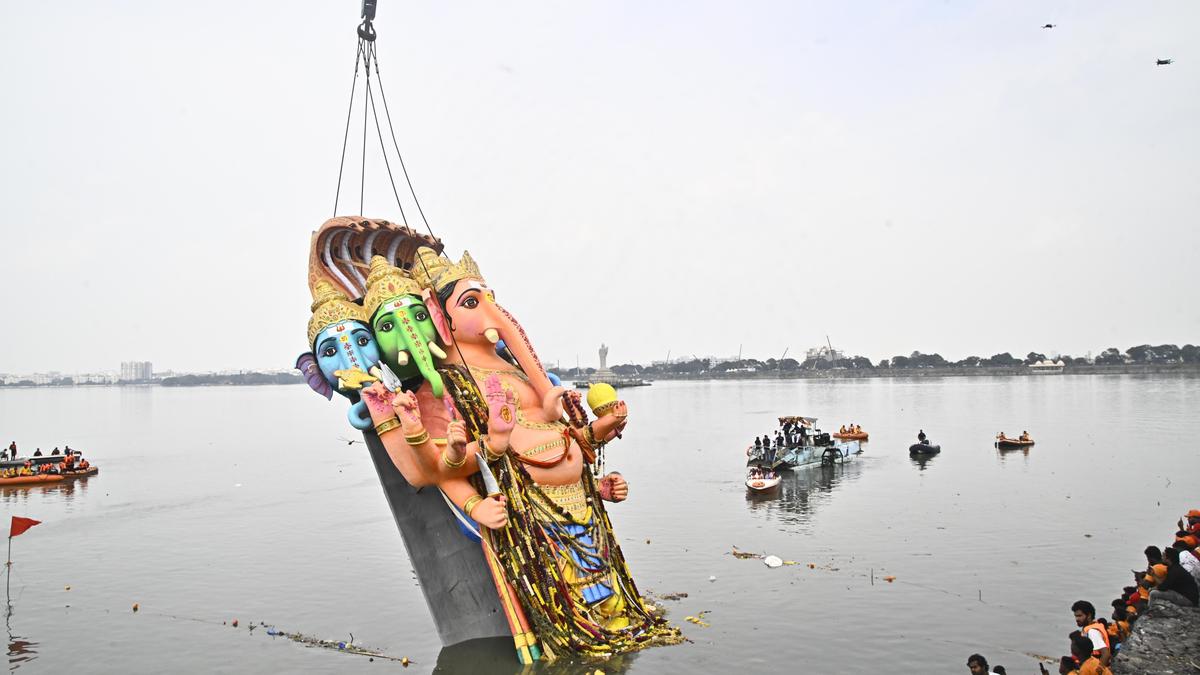
Thousands of Ganesh Idols Immersed in Telangana Festivities
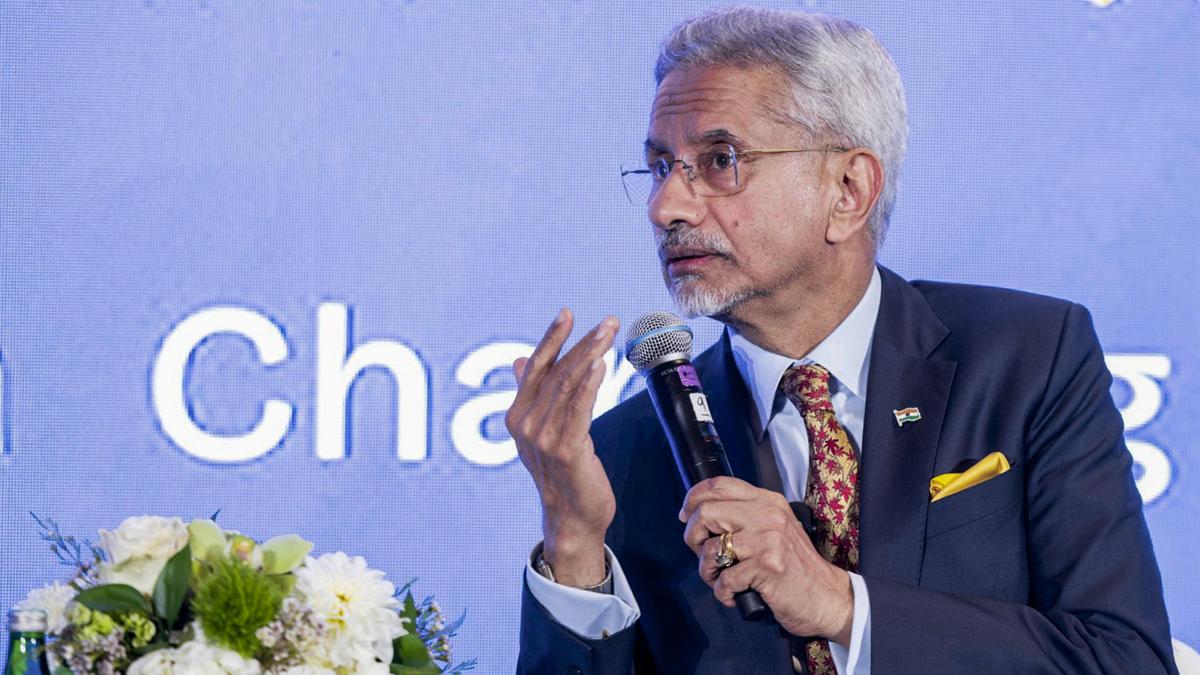
Jaishankar Calls Attacks on Civilian Shipping ‘Indefensible’

Indian Prime Minister Urges Integration of Social Reforms in Governance