World Polio Day 2026: India Urged to Maintain Vigilance Against Polio


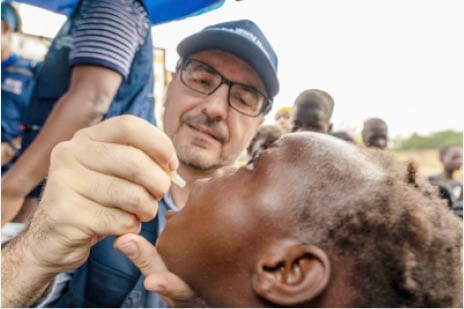
World Polio Day on 24 October 2026 highlights the ongoing vigilance required to maintain polio-free status in India, nearly a decade after the last case of wild poliovirus was reported on 13 January 2011. The World Health Organization (WHO) declared the South-East Asia Region, which includes India, polio-free on 27 March 2014. Although India has not reported any wild polio cases since 2011, the country faces significant risks due to the ongoing circulation of the virus in neighbouring Afghanistan and Pakistan. Recent statistics indicate that as of 21 October 2026, Afghanistan had reported 42 cases of wild poliovirus for the year and Pakistan had reported six, maintaining their status as the only regions where wild poliovirus remains endemic. Health experts emphasise the importance of sustaining vaccination efforts and strong surveillance mechanisms to protect against the potential resurgence of the disease. Gulam A. Vahanvaty, Chairman of the India National PolioPlus Committee at Rotary International, articulated this need, stating, "Just because a country is free from polio doesn't mean it is immune to the disease." The highly contagious nature of polio, which can lead to irreversible paralysis, necessitates continued immunisation efforts. Dr Aparna G, a Consultant in Paediatrics and Neonatology at Rainbow Children's Hospital in Chennai, reiterated the importance of comprehensive immunisation strategies. "Sustained immunisation is central to preventing the disease from returning," she explained. India administratively uses two types of polio vaccines: the inactivated polio vaccine (IPV) given via injection and the oral polio vaccine (OPV) administered as drops. Routine immunisation ensures all children receive the recommended vaccine doses. Additionally, mass immunisation campaigns, known as Pulse Polio, remain crucial. These campaigns involve administering extra doses of OPV to all children under five on specified days throughout the year. Such strategies aim to achieve 100% coverage, especially for vulnerable populations. Equally significant to these vaccination efforts is the implementation of effective surveillance systems. Surveillance for acute flaccid paralysis (AFP) helps identify any potential virus circulation early on, while environmental surveillance testing sewage for polioviruses can detect the presence of the virus even before clinical cases arise. Dr Aparna noted that timely detection of polio cases allows health authorities to respond swiftly, minimising transmission and protecting children. The ongoing presence of wild poliovirus in neighbouring nations underscores the need for international cooperation and dedicated resources to ensure comprehensive vaccination coverage. Despite the achievements over the past decade, the risk posed by polio remains real. Public health authorities in India must ensure that children do not miss routine vaccinations and that vaccination campaigns reach vulnerable communities. Continued attention to surveillance systems is also essential to identify any emerging threats efficiently. As World Polio Day approaches, India must uphold the progress made in polio eradication and remain vigilant against any potential resurgence of the virus. The importance of global cooperation, vaccination, and effective surveillance will be paramount in sustaining the achievements made against polio eradication efforts worldwide.

Russian Diesel Tanker Heads to US Amid Ukraine's Criticism
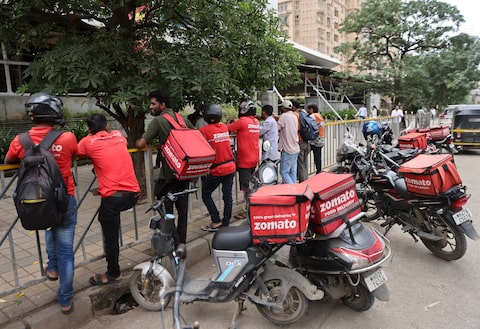
India's Labour Survey to Include Unpaid Work and Digital Workers by 2027

Diljit Dosanjh's Concert in Delhi Approved by Police Amid Security Concerns
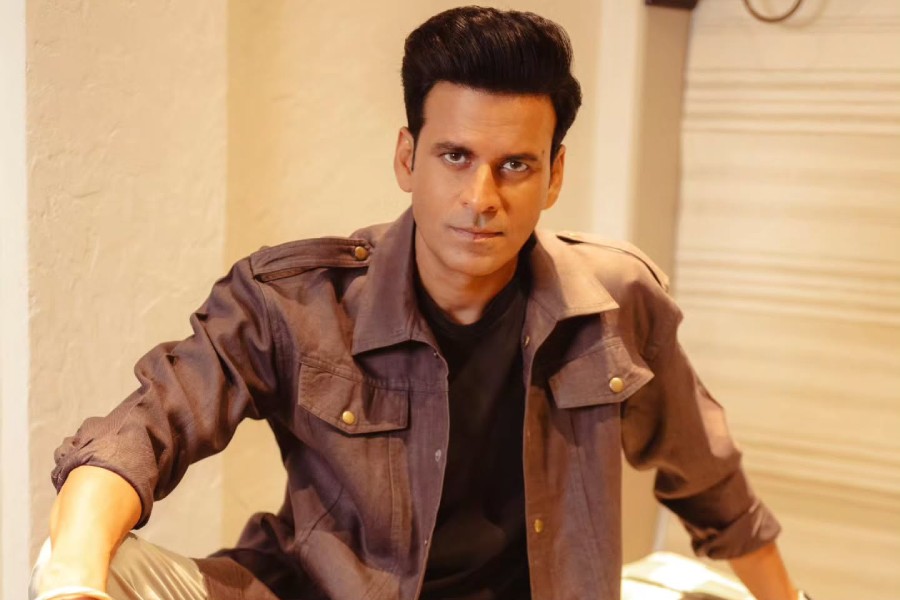
Manoj Bajpayee and Ritesh Shah Discuss Ghooskhor Pandat Controversy