India's Labour Survey to Include Unpaid Work and Digital Workers by 2027


From January 2027, the Periodic Labour Force Survey (PLFS) in India will undergo significant changes aimed at incorporating data regarding unpaid work and digital platform workers. This initiative by the Ministry of Statistics is designed to provide a more complete view of the labour market, particularly focusing on activities that are not traditionally accounted for.
New questions will specifically seek to identify individuals involved in unpaid household activities, caregiving roles, and relevant volunteer work across both urban and rural regions. This adjustment is expected to enable annual reporting on these types of work, improving the comprehensiveness of the labour data collected.
The statistics ministry has released a concept note outlining these changes and called for suggestions before the implementation of the new framework. According to the statement, the revisions will capture not just traditional employment, but also unpaid contributions which, as noted, are critical to household and community well-being.
The note highlights that a considerable number of women in India dedicate significant time to unpaid household and caregiving tasks, such as cooking, cleaning, childcare, and caring for elderly or disabled relatives. Previously, these essential activities have not been separately measured in the PLFS. The addition of targeted questions aims to gather detailed data about these roles.
In another development, the PLFS schedule will include new questions focusing on labour market underutilisation, which may offer further insights into employment conditions by examining various dimensions of labour employment.
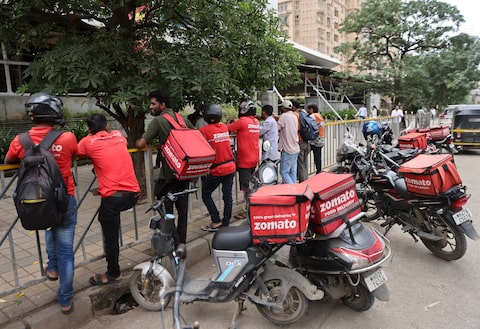
Furthermore, to enhance the identification of households with members engaged in digital platform work, an additional binary question will be introduced. This question aims to ascertain if any member of a household has participated in digital platform work during the designated period. Previous iterations of the PLFS indicated that the existing structures did not adequately represent this growing segment of the workforce.
The revised Second Stage Stratum formation will maintain the existing composition while creating new strata to better represent digital workers. This adjustment is set to enhance the coverage of this emerging sector, thereby facilitating more detailed data collection.
For improved accuracy in data representation, especially in urban areas, the National Statistical Office plans to draw fresh samples for the two-year period 2027-2028 from an updated demographic frame. This initiative will take into account urbanisation trends, creation and alteration of districts, and the need to update the current rural census data.
Statistics officials indicate that these efforts will lead to an enriched understanding of the labour landscape, addressing previously overlooked areas and contributing to informed policy-making.

Russian Diesel Tanker Heads to US Amid Ukraine's Criticism

Diljit Dosanjh's Concert in Delhi Approved by Police Amid Security Concerns

Manoj Bajpayee and Ritesh Shah Discuss Ghooskhor Pandat Controversy

Shree Charani's Bowling Prowess Leads India to Victory Over Zimbabwe