West Bengal's Voter Rolls Decline After Special Intensive Revision


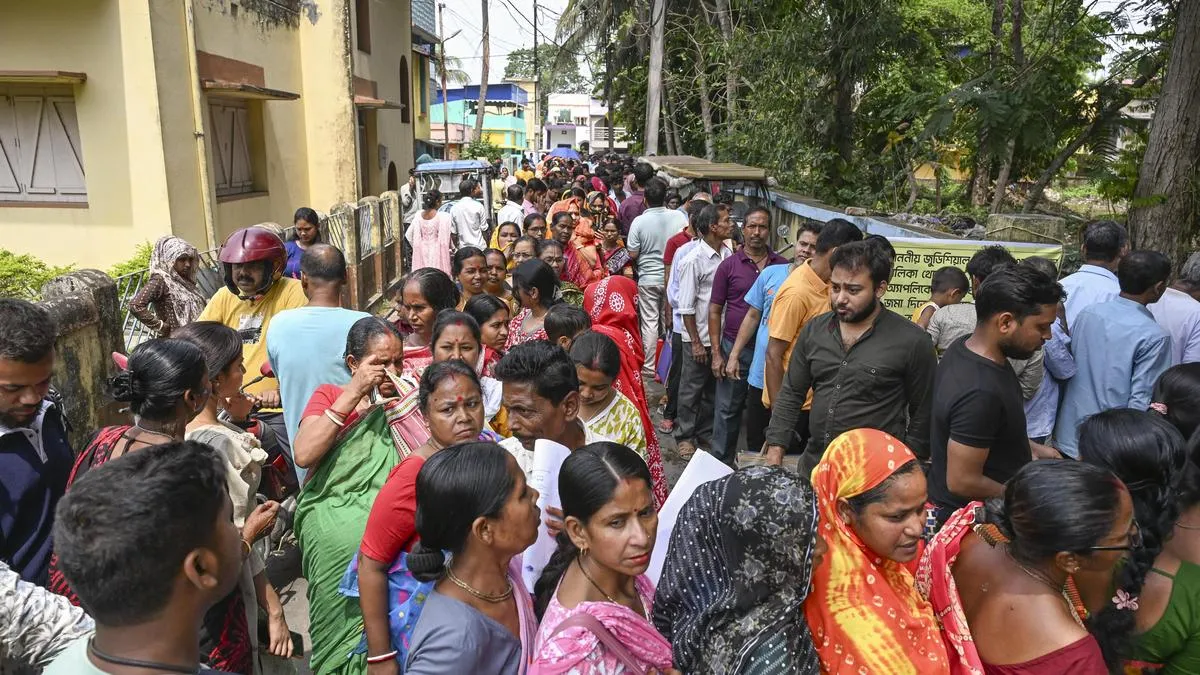
The Election Commission of India (ECI) revealed on Tuesday that the Special Intensive Revision (SIR) adjudication process has resulted in significant changes to West Bengal's electoral rolls. Of the 6,006,675 electors evaluated, 45% have been deemed ineligible, meaning approximately 2.7 million voters have been removed from the rolls following this review.
Before the SIR process commenced, West Bengal had 76.6 million registered electors. Analyses conducted by the Hindustan Times indicate that the current number has dropped to 67.7 million, marking a total loss of 8.9 million voters. During the SIR, 6.2 million were removed, and the subsequent adjudication process accounted for the additional 2.7 million.
Future voting phases in the state may still allow for the addition of new voters, depending on the outcome of the remaining 22,163 electors still under review.
Comparative Data West Bengal's current loss of electors now stands at 11.6%, ranking it behind only Gujarat and Chhattisgarh among major states. Similar revisions in other states, such as Assam, culminated in an 8.1% loss before adjudication. At this juncture, Uttar Pradesh has yet to complete its SIR process.
An examination of the correlation between urbanisation and voter deletion post-adjudication reveals weaker trends than previously observed. The ongoing deletion of voters aligns with patterns seen throughout the country, where a higher percentage of deletions occurred in urban districts.
The impact of the SIR process on minority populations has drawn scrutiny, particularly regarding Muslim voters. Although initial data showed little correlation between voter deletions and Muslim population shares, the adjudication phase has seen increased effects in districts with significant Muslim communities.
“There is a clear indication that the electoral dynamics are changing, and these deletions could have serious implications for future elections,” said an ECI official focusing on voter integrity.
The analysis suggests that the political ramifications will depend largely on the final composition of voter rolls as the 2024 elections loom. Reports indicate that Muslims generally do not favour the Bharatiya Janata Party (BJP), which faces a contentious rivalry with the Trinamool Congress (TMC).
Overall, there remains a lack of district-specific data correlating deletions with assembly constituencies won by the TMC. However, anecdotal reports highlight significant voter removals in key areas, suggesting a complex electoral landscape leading into the election period. The situation underscores the importance of state capacity and institutional trust in shaping democratic narratives in the region.
Kerala Initiates Probe into 2006 Suicide Case Involving CEC

Extradition of Sheikh Hasina Feasible, Says Indian High Commissioner

Punjabi Makeup Artist Mad Sandhu Shot Dead in Amritsar
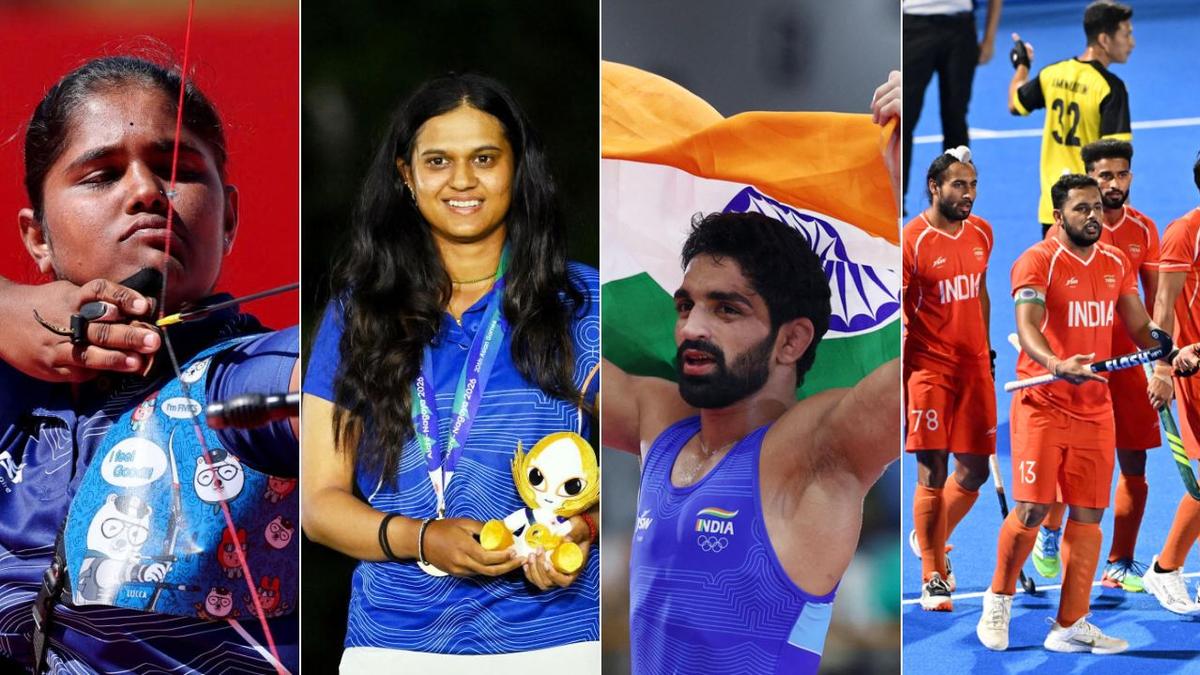
India Achieves Fourth Place at Asian Games 2026 Through Late Success