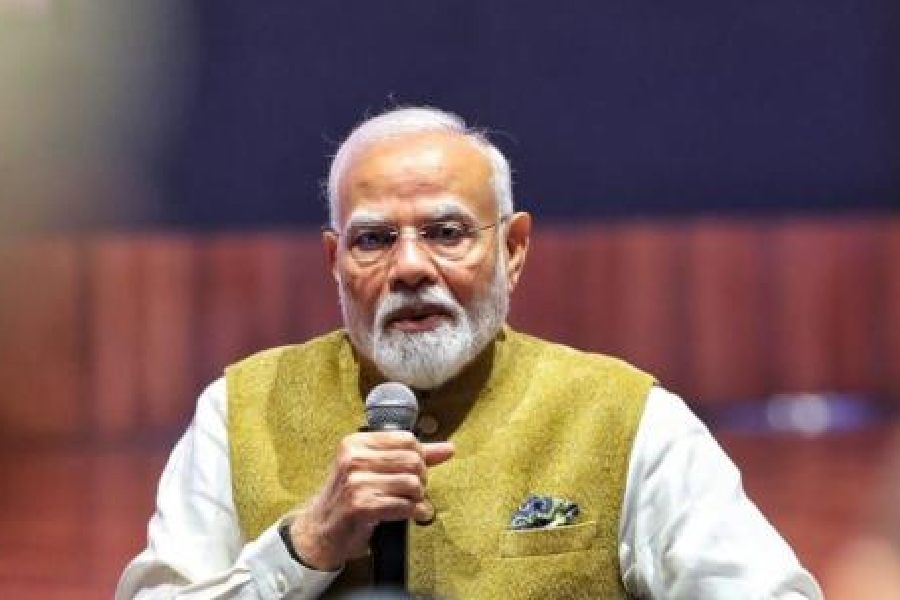
Venezuela and US Forge Military Agreement After Maduro's Ouster


The United States and Venezuela have renewed military collaboration less than a year after US forces captured Nicolás Maduro, the former leader of Venezuela, during a raid in Caracas. The agreement was formalised by Delcy Rodríguez, the interim President and former vice-president under Maduro, and US Secretary of Defence Pete Hegseth on Wednesday. Although specifics of the deal remain scant, Hegseth remarked that Venezuela had transitioned from being 'our most aggressive regional threat to a compliant security partner' within just twelve months.
Rodríguez stated the agreement would aid in addressing 'common threats'. The military partnership between the two nations had been severed in 2005 during the presidency of Hugo Chávez, who accused US military trainers of making inappropriate comments about his administration. He also described the US military contingent in Venezuela as a covert arm of the Central Intelligence Agency (CIA) conspiring against the government.
Relations soured further under Nicolás Maduro, who took over after Chávez's death. Tensions peaked late last year when the US increased its bounty for information leading to Maduro's capture to $50 million (£38 million). He was subsequently arrested in a military action on January 3, alongside his wife, Cilia Flores. They now face charges including drug trafficking and conspiracy to commit torture, which they deny.
Describing the evolution of the relationship between the two countries, Hegseth, during a speech at the US embassy in Caracas, said, 'It's a great honour to be here as the first United States Secretary of War this century to set foot in Venezuela.' He emphasised that his presence a year ago would have been perceived as 'impossible, almost unimaginable'. Hegseth referred to a past public appearance by Maduro, who had taunted the US administration by saying, 'Come and get me!'. He stated, 'Well, we answered that call.'
Hegseth further elaborated on the outcomes of the US operation on January 3, echoing Maduro's earlier declaration, 'No war, yes peace.' He characterised the military agreement signed that day as a 'new chapter for the United States, for Venezuela, for the Venezuelan military, and for the Western Hemisphere through the Americas Counter Cartel Coalition'. In turn, Rodríguez regarded the deal as 'extraordinarily relevant for our bilateral relations', pointing out the swift transformation of a once-complicated dynamic into one of collaboration benefiting both nations.
While details of the military collaboration have not been disclosed, Rodríguez mentioned enhancements to Venezuela's armed forces, focusing on training, upgrading operational equipment, and accessing new technologies to address shared threats. In his remarks, Hegseth specifically mentioned 'the narco-terrorists who abuse this [Venezuela] as a safe haven', issuing a warning, 'we will hunt you down, we will find you, and we will kill you'.
Following his visit to Venezuela, Hegseth continued to Colombia, where President Abelardo de la Espriella is aligned with the Trump administration. Colombia is already part of the US-led Americas Counter Cartel Coalition. Previously, Hegseth had suggested potential collaborative military operations against armed groups in Colombia. On the same day, President de la Espriella used X to clarify a report from the New York Times that suggested he had dismissed the idea of joint military operations, stating that any decisions would respect Colombia's constitution, laws, and sovereignty. Hegseth reposted the clarification, asserting that the US-Colombian alliance 'is stronger than ever before'.
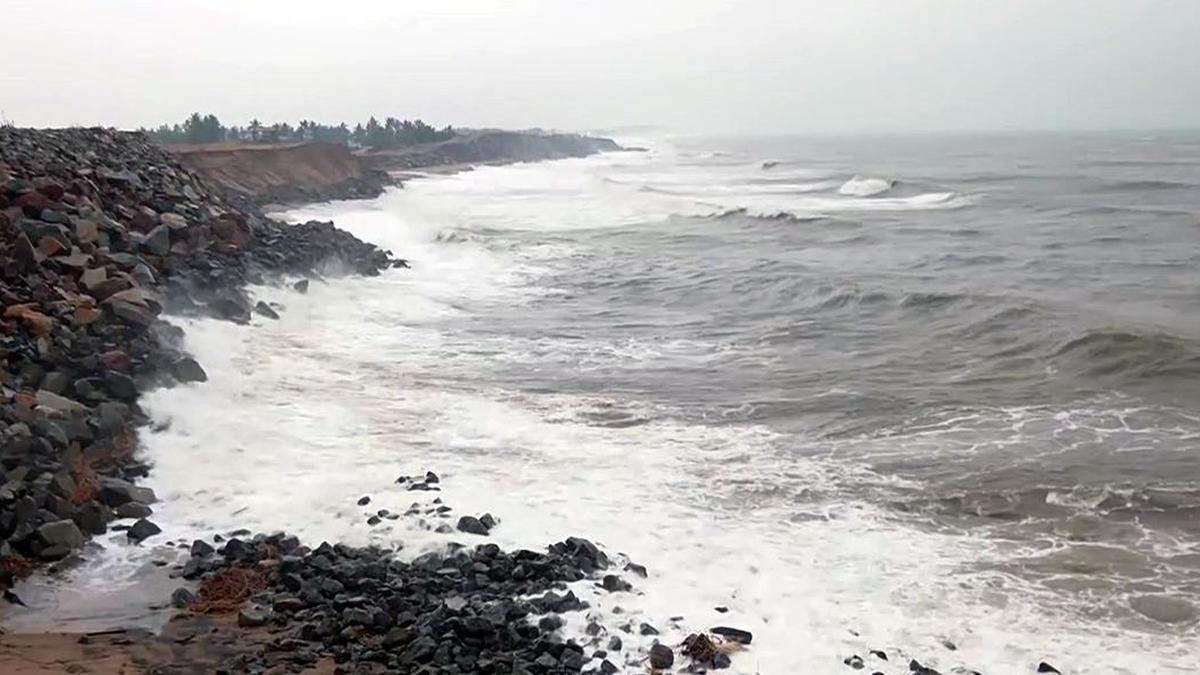
Cyclone Akvan Approaches Odisha with Heavy Rainfall Predicted
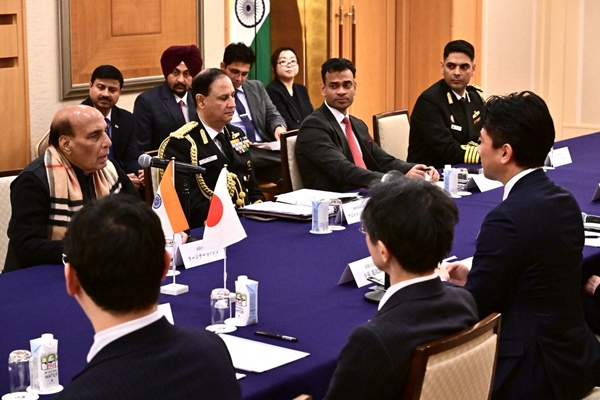
Japan to Conduct Historic Live-Fire Military Exercises in India
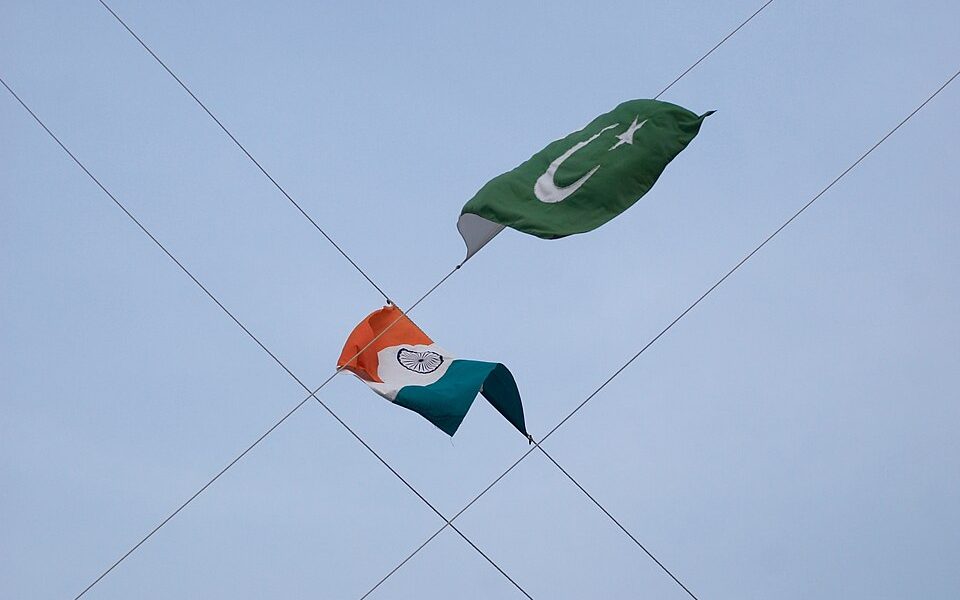
Pakistan Minister to Attend SCO Forum in Delhi Amid Tensions
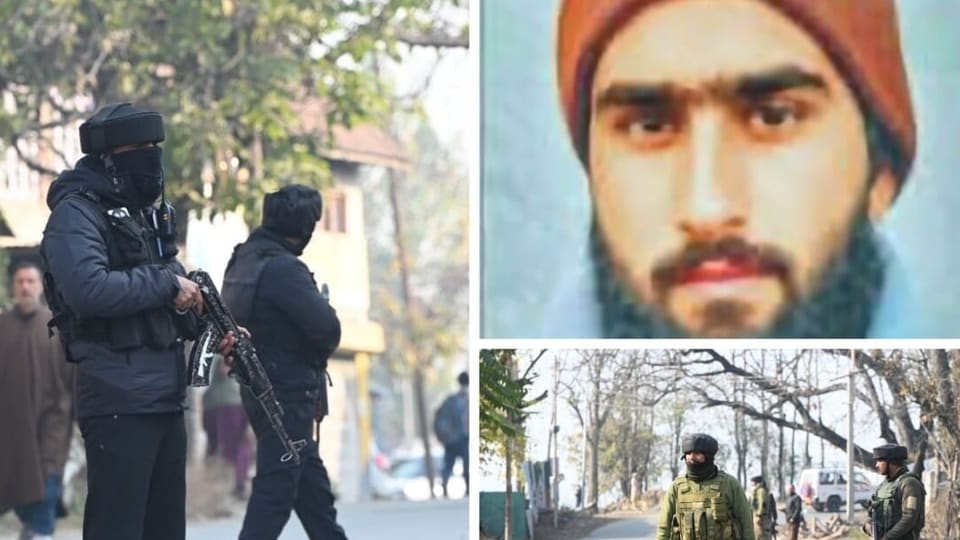
Jammu and Kashmir Police Claims Significant Drop in Terror Recruitment