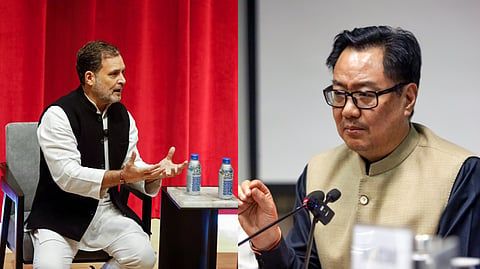
Pakistan Minister to Attend SCO Forum in Delhi Amid Tensions


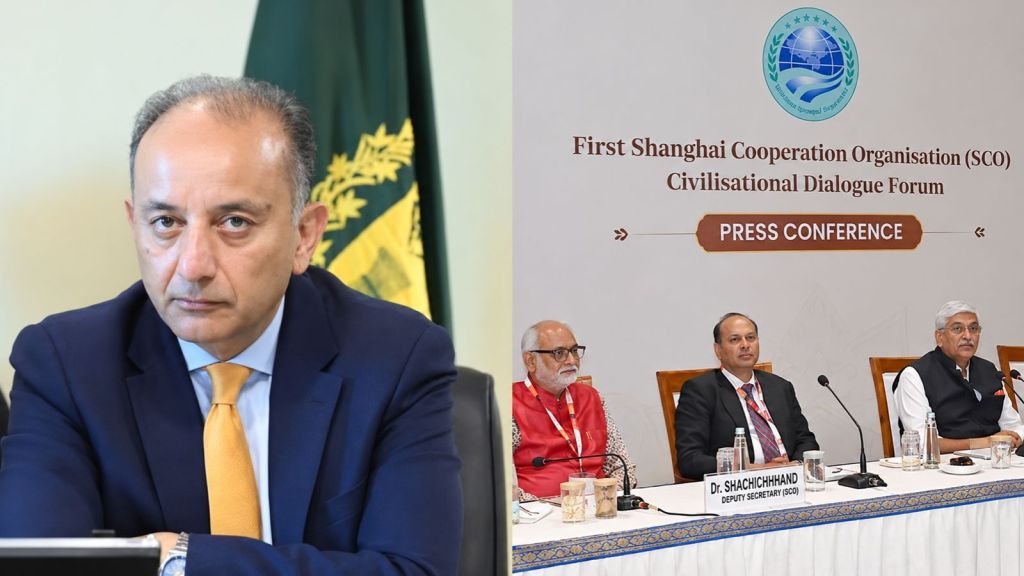
The anticipation surrounding the upcoming visit of Pakistan’s Minister for Climate Change and Environmental Coordination, Musadik Malik, to Delhi has created significant speculation. His participation in the Shanghai Cooperation Organisation (SCO) Civilisational Dialogue Forum marks the first high-level exchange between India and Pakistan since Operation Sindoor earlier this year.
Despite this diplomatic engagement, there are concerns regarding Malik’s track record. He has been noted for his aggressive stance on the Indus Waters Treaty, famously threatening drastic actions against those perceived to infringe upon Pakistan's water rights. This rhetoric does not lend itself to optimism for a constructive dialogue.
Indian Prime Minister Narendra Modi proposed the Civilisational Dialogue within the wider context of the SCO, intending to foster cultural ties while addressing geopolitical issues among member states. Recently, Pakistani officials have also attempted to leverage the historical significance of the Indus Valley Civilisation, suggesting a shared cultural heritage to assert claims over the Indus River.
The prior SCO Foreign Ministers’ meeting in Goa saw a fractious exchange between India’s Foreign Minister, S. Jaishankar, and Pakistan’s Foreign Minister Bilawal Bhutto, detracting from meaningful discussions about regional security. Bhutto condemned India's revocation of Jammu and Kashmir’s special status in 2019, while Jaishankar labelled Bhutto a 'spokesperson of a terrorism industry', reiterating that terrorism and dialogue cannot coexist.
In stark contrast to the dogmatic views predicting inevitable disputes, there is a growing movement on both sides advocating for a more adaptable narrative regarding relations between India and Pakistan. Proponents of this shift highlight the imperative of adjusting diplomatic approaches to match the changing geopolitical landscape, suggesting that rigid policies are unproductive.
Further complicating the dynamics of these relations are the regional challenges posed by climate change and water resource management. Environmentalists and experts have pointed to the Himalayas as a shared resource, indicating that collaborative efforts are essential in addressing climate disasters affecting the region. This could be a pragmatic approach for India, suggesting an opportunity for leadership in establishing frameworks for water resource management across borders.
In economic spheres, trade figures indicate a rising demand for Indian goods in Pakistan, even though direct trade has been halted since the Pahalgam terrorist attack. The State Bank of Pakistan noted a significant increase in imports of Indian goods, primarily in pharmaceuticals, which are now entering Pakistan through third countries like the United Arab Emirates. Despite the suspension of direct trade routes, it becomes evident that economic ties persist, although they contribute to revenue losses for India.
There are overarching implications for regional cooperation as the India-Pakistan stalemate continues to hinder potential collaborations, such as energy transit through pipelines and broader economic partnerships within South Asia. As the SCO Civilisational Dialogue Forum approaches, observers remain cautiously optimistic that dialogue can begin to ease tensions, provided both sides recognise the necessity of nurturing a more flexible narrative around their complex relationship.
Cyclone Akvan Approaches Odisha with Heavy Rainfall Predicted
Japan to Conduct Historic Live-Fire Military Exercises in India
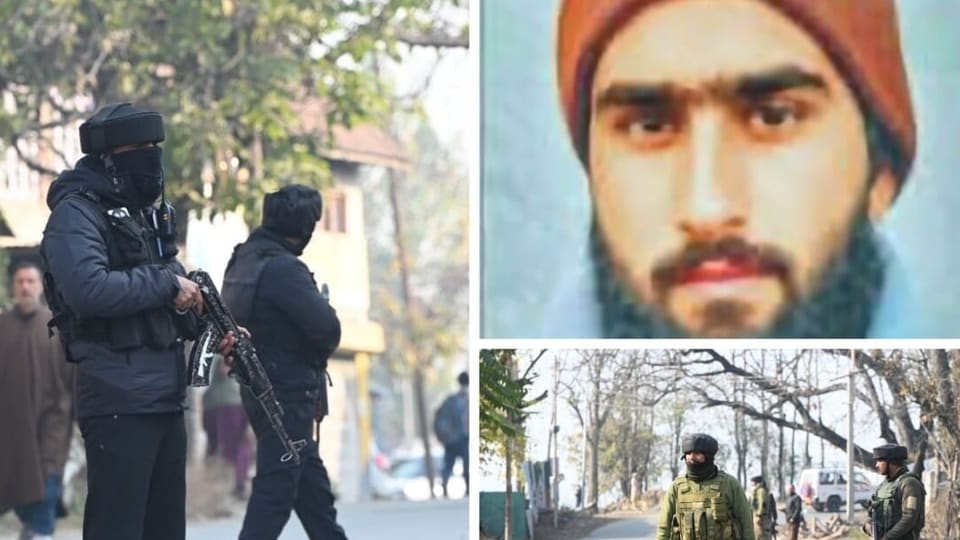
Jammu and Kashmir Police Claims Significant Drop in Terror Recruitment
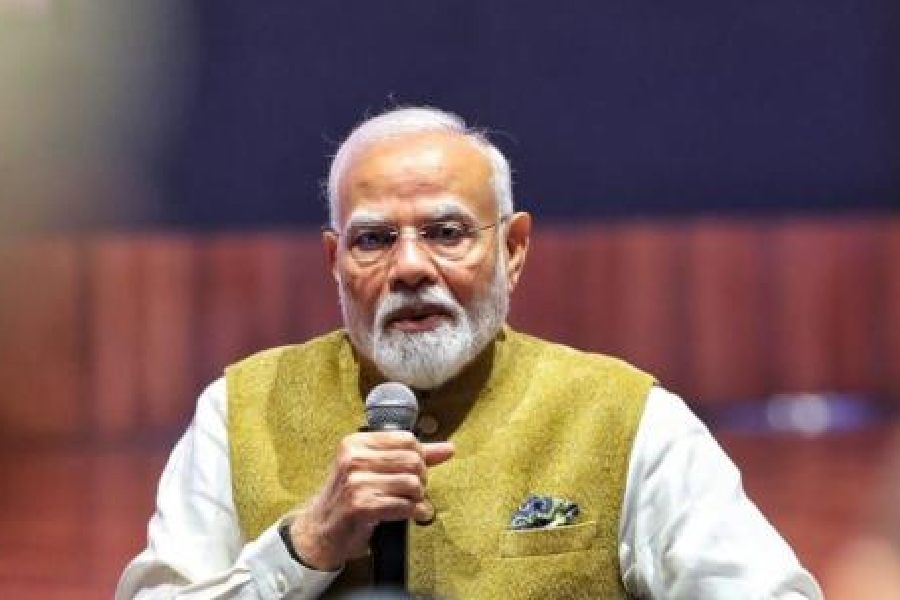
Indian Prime Minister Modi Criticises Industrialists Over Job Issues