US Warns of India's Reliance on China for Antibiotic Ingredients


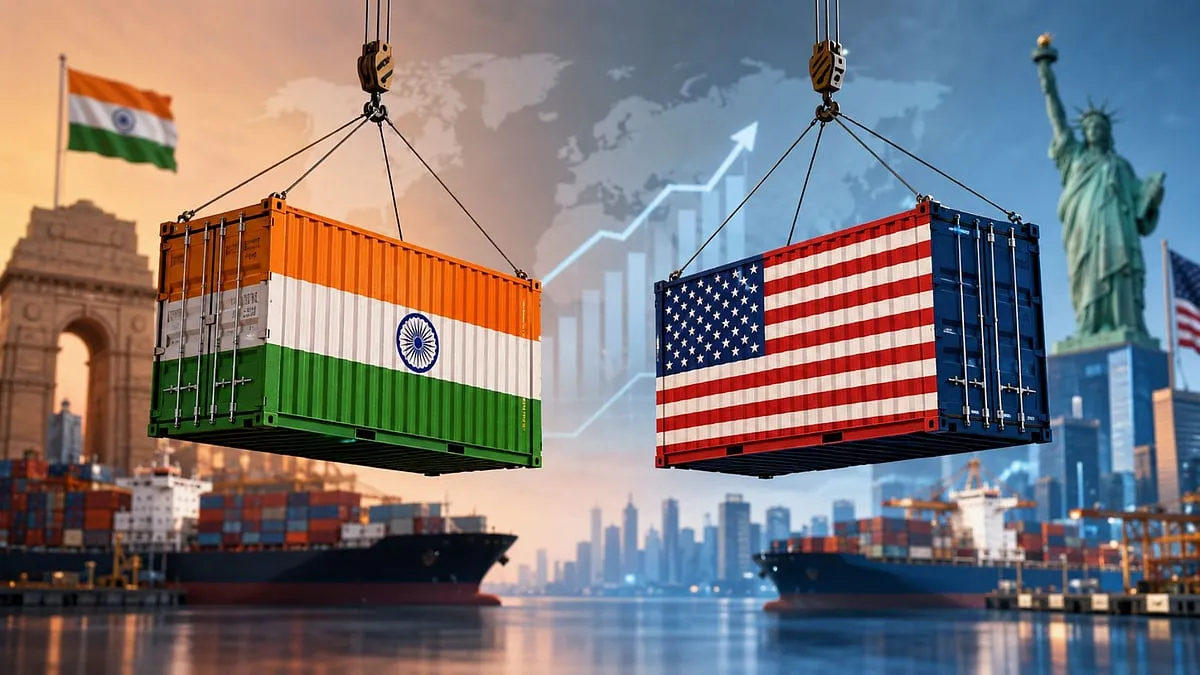
The United States has raised concerns regarding India's heavy reliance on China for pharmaceutical ingredients, particularly in the context of antibiotic production. A report from the Office of the United States Trade Representative (USTR) indicated that approximately 87 per cent of India's imported antibiotic ingredients are sourced from China. This dependency persists despite India's ongoing efforts to bolster its domestic manufacturing capabilities.
The USTR's report, which examines India's manufacturing policies and their implications for international trade, noted that while the Indian government is actively promoting industrial growth in sectors like pharmaceuticals and medical devices, this growth may outpace domestic market demand.
The report recalls that even with India's advancements in pharmaceutical manufacturing, its significant dependence on Chinese raw materials remains a key factor in maintaining competitive pricing for Indian pharmaceutical products on the global stage.
“Despite growth in its domestic pharmaceutical production capacity, India remains heavily dependent on China for many active pharmaceutical ingredients and bulk drug ingredients,” the report stated. This reliance underlines the complexities involved in India's growing presence in the global generic medicine market.
The USTR estimates that India constitutes about one-third of the United States' pharmaceutical imports and provides roughly 47 per cent of the generic prescriptions filled in the country. Furthermore, Indian manufacturers supply about 61 per cent of the generic solid oral drug doses available in the United States.
The USTR's analysis also highlighted the competitive advantages that Indian pharmaceutical companies gain from India's current industrial policies. The report mentioned that imports from non-market economies, specifically China, have surged, with India's acquisition of intermediate consumption goods from China increasing by $44 billion, or 97 per cent, since 2017. This trend suggests that the lower costs of these imported inputs may contribute to enhancing the competitiveness of Indian products while simultaneously limiting market opportunities for American suppliers.
The report scrutinised several Indian government initiatives aimed at expanding pharmaceutical manufacturing. These include the Production Linked Incentive (PLI) schemes, which have allocated ₹17,275 crore to support high-value pharmaceutical outputs and advanced generic drugs. The PLI scheme for bulk drugs has also achieved investment levels surpassing initial targets.
According to critics, while these initiatives aim to amplify manufacturing capacity, they may not necessarily align with a proportional rise in domestic demand or consumption. Thus, the USTR has cautioned that India’s strategy to scale up production and exports through governmental support does not adequately consider the necessary balance with domestic market needs.
Concerns were also raised regarding India's ambitions in medical device manufacturing. The report noted the government's financial incentives designed to boost domestic production, which covers a broad range of equipment, including CT scanners and MRI machines. It argued that this burgeoning production could generate excessive competition for American manufacturers both in India and globally.
Moreover, the USTR's report outlined various fiscal measures related to the healthcare sector, including a reduction in the Goods and Services Tax (GST) on numerous allopathic medicines and medical devices to bolster local manufacture.
Critics assert that these industrial policies distort competition by fostering an environment where Indian manufacturers benefit from lower costs while US companies face diminishing prospects in the domestic and international markets. The USTR characterised India's current manufacturing policies as creating a structural excess capacity that undermines fair competition under Section 301 of the Trade Act of 1974.
While the findings represent significant insights into the challenges within India’s pharmaceutical landscape, it is important to note that the report itself does not impose new tariffs or trade restrictions on Indian pharmaceutical or medical device exports. These findings could, however, prompt further discussions on the future of trade and manufacturing practices as India navigates its position in the global economy.

Tata Trusts to Challenge N Chandrasekaran's Reappointment in Court

US Restrictions on Chips Impact Chinese Data Centre Financing

Mahanadi Coalfields IPO Makes Lacklustre Market Debut
Nvidia CEO Jensen Huang's Return Creates Ripples in AI Landscape