US Soldier Reflects on Jesse Jackson's Role in His Release


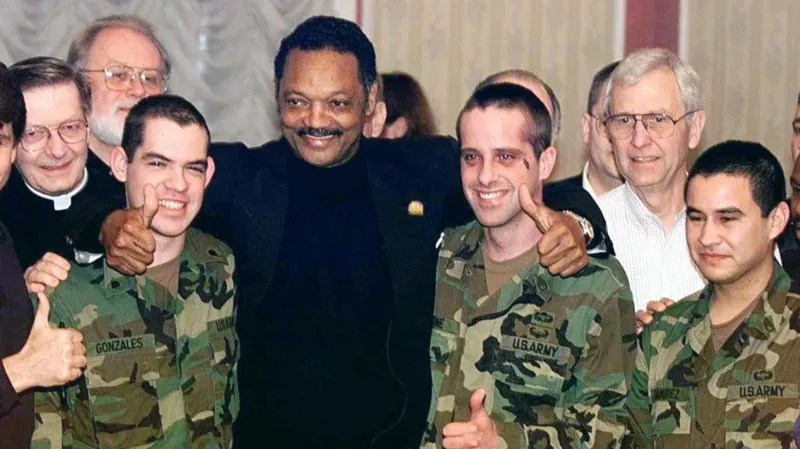
In May 1999, US Army Sergeant Andrew Ramirez found himself a prisoner of Yugoslav forces for over a month, enduring confinement and interrogation. Just weeks earlier, Ramirez and two fellow soldiers had been on a routine patrol near the Macedonian-Yugoslav border when they unintentionally encountered enemy forces and subsequently surrendered. Little did Ramirez know that behind the scenes, Reverend Jesse Jackson was leading efforts to secure their release, despite opposition from the White House.
At the time of their capture, NATO forces, led by the United States, had initiated an air campaign aimed at compelling the Yugoslav government, led by Serbian leader Slobodan Milosevic, to withdraw from Kosovo. Jackson, then 57, was no stranger to what some described as 'private diplomacy'. He previously played significant roles in securing the release of American hostages in various conflicts, including a US Navy pilot held in Syria and 22 Americans imprisoned in Cuba. However, the Clinton administration opposed Jackson's involvement and warned him of potential complications.
Simultaneously, the Yugoslav government was engaging with Illinois Representative Rod Blagojevich, who was then the only Serbian-American in Congress. Blagojevich recounted to the BBC his efforts to navigate the situation, stating, "The State Department wouldn’t allow me to go. I was just a junior congressman." However, with the assistance of political consultant David Axelrod, Blagojevich collaborated with Jackson, who insisted on direct access to the captured soldiers.
In late April, Jackson, together with Blagojevich and a multi-faith team, journeyed to Belgrade to meet Milosevic directly in hopes of negotiating their release. Jackson later reflected on the urgency of these negotiations, stating, "One of the failures of war is a failure of diplomacy, communication and trust."
Unbeknownst to him, Ramirez and the other captured soldiers were soon to experience a pivotal moment. "Without any explanation, the Yugoslavs came and got us. I saw CNN cameras and other news agencies. And there was Reverend Jesse Jackson," Ramirez recalled.
As tensions remained high, the negotiations were described as frenzied. Blagojevich noted that initially, Milosevic had suggested returning just one or two soldiers, but Jackson was firm in his stance that all soldiers had to be returned. As a result, the Yugoslavs ultimately agreed to release all three US soldiers.
On May 1, Ramirez and his fellow captives were freed, crossing into Croatia with Jackson on May 2 before being flown to a military base in Germany. Reflecting on Jackson's commitment, Ramirez stated, "He was very confident. He said he wouldn’t leave without us, and that our families in the United States were rooting for us."
After leaving the Army about a year later, Ramirez maintained contact with Jackson, expressing gratitude for his courage and dedication. Following Jackson's passing at the age of 84, Ramirez expressed his heartfelt sorrow, saying, "He did something for us. He didn’t have to do that. I truly believe he did it because he saw somebody in need and thought he could intervene." His sincere appreciation for Jackson's efforts remains clear, with Ramirez emphasising the lasting impact of Jackson's actions on not only the soldiers but their families as well.

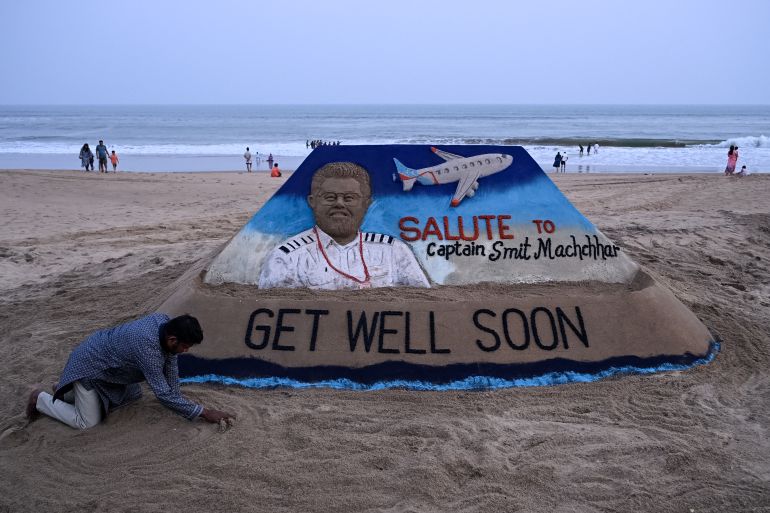
Social Media Celebrates Mumbai Pilot Captain Smit Machchhar
Flydubai Co-Pilot's Iran Allegations Involve Trump and Netanyahu
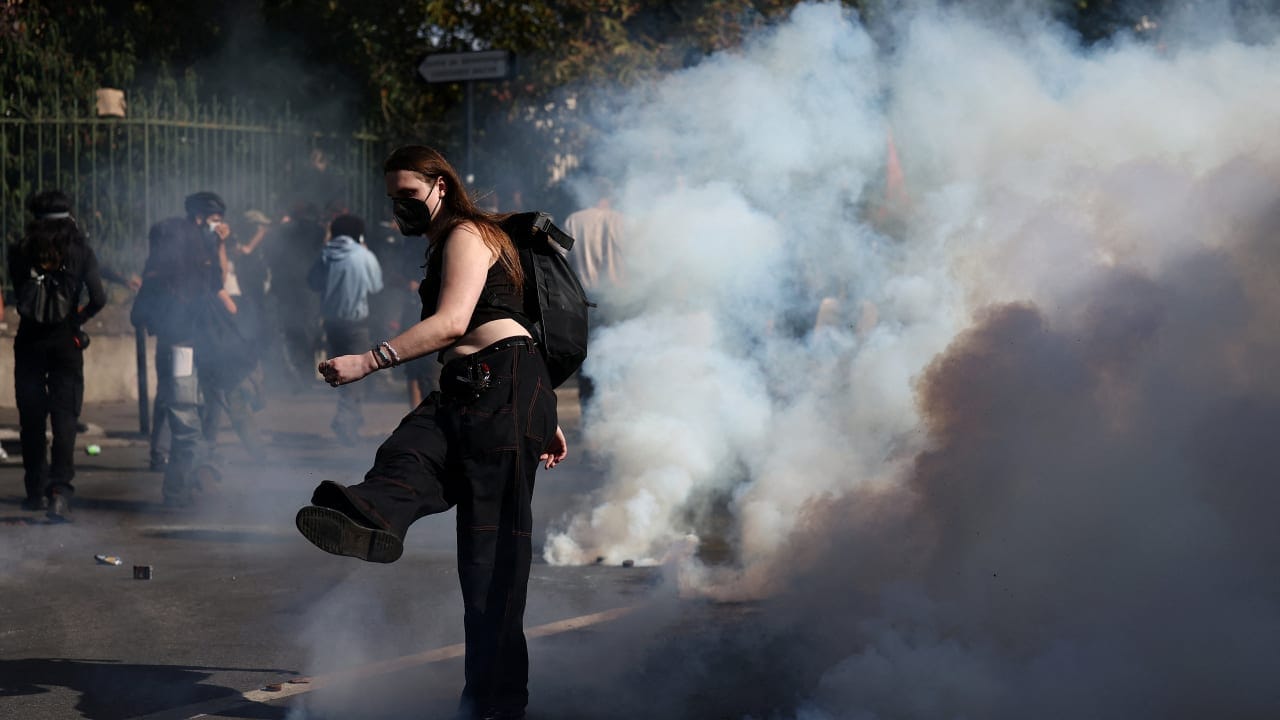
France's Student Protests Escalate into Nationwide Unrest

Mamata Banerjee Criticises Election Chief Over Poll Irregularities