US Reiterates No Nuclear Plans Amid Iran Ultimatum Deadline


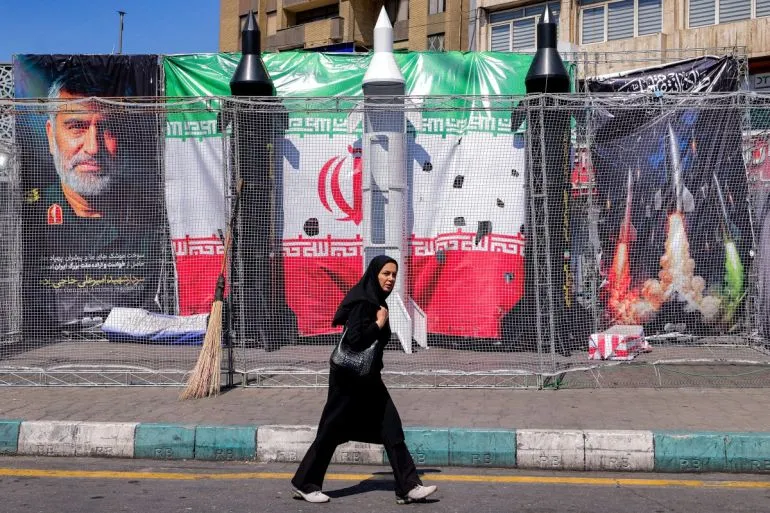
The White House has dismissed speculation of plans to use nuclear weapons against Iran, following President Donald Trump's alarming ultimatum demanding Tehran negotiate by a set deadline. This announcement comes amidst escalating rhetoric, with Trump warning of dire consequences for Iran during a social media post on TruthSocial.
Trump, applying intense pressure on Iran, threatened that a 'whole civilisation will die tonight' if his demands are not met. Texas Congressman Joaquin Castro has urged the president to clarify his stance regarding the potential use of nuclear arms, expressing concern over the implications of such threats.
Vice President JD Vance added to the controversy by suggesting that U.S. forces might utilise options 'they so far haven’t decided to use'. This remark prompted criticism and misinterpretation on social media, leading to a strong rebuttal from the White House that dismissed any implications of nuclear threats.
However, White House Press Secretary Karoline Leavitt seemed less definitive when questioned by the AFP news agency about Trump's intentions. She stated, 'Only the President knows where things stand and what he will do'.
The roots of the current situation trace back to an ultimatum Trump issued on Saturday, demanding Tehran negotiate over the critical Strait of Hormuz. This waterway is vital, accounting for approximately one-fifth of global energy exports. The deadline for Iran to respond is set for 8pm Eastern time, equivalent to 00:00 GMT.
Legal scholars have warned that targeting civilian infrastructure, as suggested by Trump, could constitute a war crime. Trump's alarming comments included, 'A whole civilisation will die tonight, never to be brought back again' but also hinted at the possibility of a 'revolutionarily wonderful' outcome.
In response to U.S. threats, the Islamic Revolutionary Guards Corps (IRGC) of Iran asserted its readiness to retaliate if attacked. The IRGC issued a statement indicating a commitment to respond robustly against American and allied targets, claiming they have identified crucial infrastructure that would be vulnerable to their attack.
President Masoud Pezeskhian of Iran declared that over 14 million Iranians, himself included, are prepared to defend their nation. The current escalation of tensions follows ongoing military activities between Israel and the U.S. on one side and Iran on the other.
Recent reports confirm that U.S. forces struck military infrastructure on Iran’s Kharg Island—a key energy export hub—though Vance clarified that oil facilities were spared. This is the second instance of U.S. strikes on Kharg following similar actions earlier in March, aimed at military targets without fully disrupting oil exports.
Israeli military operations have also intensified, with Prime Minister Benjamin Netanyahu confirming strikes on railways and bridges within Iran, alleging they were being used for military transportation.
Iran has launched retaliatory attacks, with Israeli media stating that missiles and drones targeted Israeli territory, while Gulf states like Saudi Arabia and Kuwait reported intercepting drones throughout the day.
Despite the escalating military activities, there are indications that diplomatic efforts are still being pursued. Iranian Ambassador to Pakistan, Reza Amiri Moghadam, noted that attempts to halt the conflict are reaching a 'critical, sensitive' stage. This follows an Iranian proposal for a 10-point peace plan to conclude the hostilities, which Trump acknowledged as a significant step but deemed insufficient.
As tensions mount in the region, the international community watches closely for any developments, with hopes for a peaceful resolution remaining uncertain.
Kerala Initiates Probe into 2006 Suicide Case Involving CEC
Extradition of Sheikh Hasina Feasible, Says Indian High Commissioner

Punjabi Makeup Artist Mad Sandhu Shot Dead in Amritsar

India Achieves Fourth Place at Asian Games 2026 Through Late Success