US Plans Tariff Increases on India, China, and 14 Other Nations


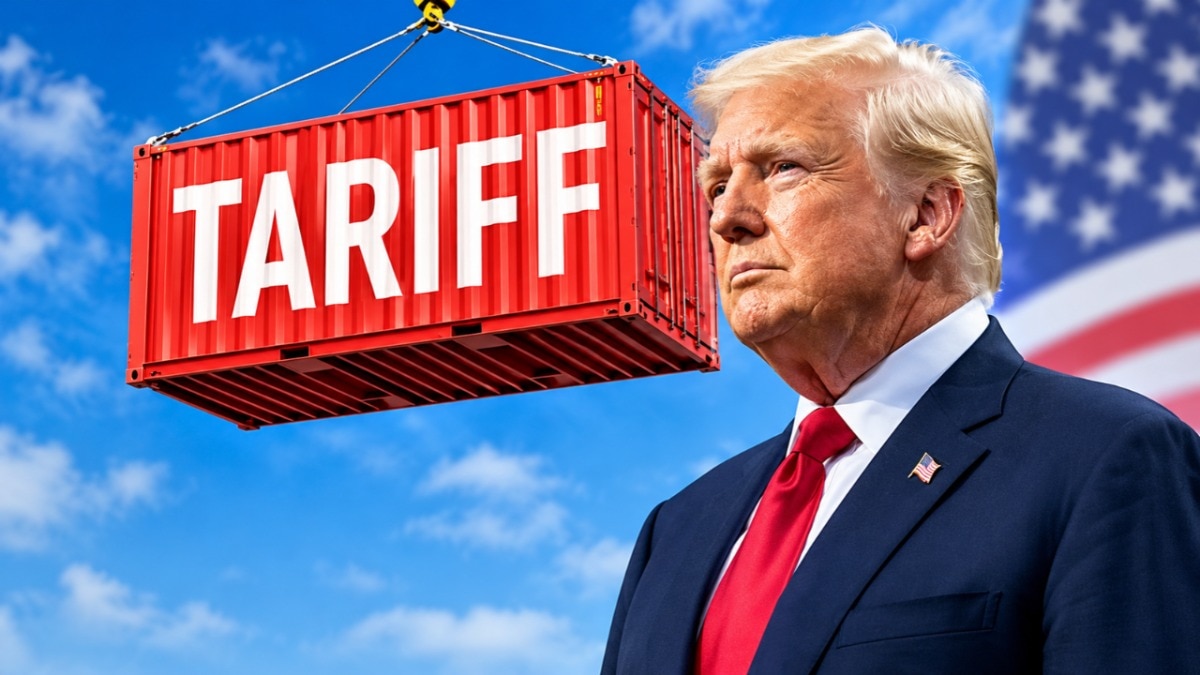
The United States is reportedly preparing to increase tariffs on China, India, and 14 other economies, as early as this week. This action is based on claims that these nations have supported excessive industrial production, negatively impacting American businesses. The information comes from a recent report by the Wall Street Journal.
US Trade Representative (USTR) Jamieson Greer is expected to announce the findings of an investigation launched on 11 March into industrial subsidies within these economies. This investigation falls under Section 301 of the 1974 Trade Act, which permits the president to impose tariffs after determining that unfair trade practices have occurred.
Greer has indicated that subsidies and various forms of governmental support have created surplus industrial capacity in the targeted nations. This overproduction allows companies from these regions to sell goods at lower prices, consequently undermining American producers, according to the Wall Street Journal report.
The upcoming tariffs are predicted to encompass most products exported from the featured countries. However, certain industrial items, such as steel, aluminium, and automobiles, might be exempted as these sectors already face tariffs under separate national security criteria.
While specific tariff rates have yet to be disclosed, it is believed that these new charges will be in addition to tariffs related to an ongoing investigation into forced labour in foreign supply chains, completed in July. The earlier inquiry led to tariffs ranging from 10 to 12.5 per cent on multiple trading partners, including all 16 nations mentioned in the industrial capacity investigation.
Countries that engaged in trade agreements with the Trump administration, such as Japan, the European Union, and South Korea, are expected to see overall tariff rates of 15 per cent or lower. In contrast, countries like India and Vietnam could endure higher rates, depending on their individual arrangements with Washington.
China is likely to face steeper tariffs than its counterparts, with US officials citing its extensive and disruptive subsidies as particularly harmful to the global marketplace. Additionally, the administration may allow for increased tariffs if industrial overcapacity worsens or if these nations do not implement policy changes during forthcoming negotiations with the United States.
The USTR has declined to comment on the impending announcement, while the White House has not responded to requests for information, the Wall Street Journal reported.
Currently, India and the United States are in discussions regarding an interim bilateral trade agreement. This follows the previous framework, which was established in February, being reconsidered after a decision by the United States Supreme Court invalidated tariffs imposed last year under the Emergency Economic Powers Act. India is aiming for reduced tariffs on its exports to the US compared to the rates faced by competing nations like Bangladesh, Vietnam, and Cambodia.

Global Climate Change Conference Highlights Urgent Action Needed
Global Leaders Emphasise Action Against Climate Change at Summit
India Raises Global South's Food Insecurity Issues at UN Security Council