US Military Launches Initiative for 90-Day Self-Sufficiency Amid Conflict


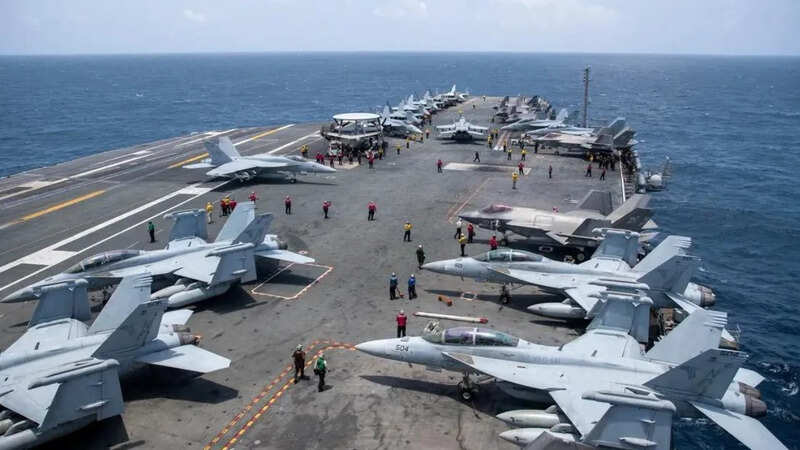
The Pentagon has initiated a comprehensive programme to ensure that U.S. military bases can function independently for a minimum of 90 days without external support. This initiative, known as Project FORTRESS, aims to address vulnerabilities in military operations caused by potential global conflicts that could disrupt civilian infrastructure across the country.
In a recent statement, the Pentagon's chief spokesperson Sean Parnell emphasised the critical need to reduce reliance on civilian municipal systems for national defence. He stated, "We don't want to rely on standard civilian municipal infrastructure to run our national defense. We just simply can't. It's an intolerable risk."
As part of the broader FORTRESS strategy, military installations in the continental United States will be required to sustain essential operations—including access to electricity, water, fuel, and communications—for at least 90 days. This is seen as a proactive measure to mitigate risks associated with potential power grid failures and supply chain disruptions.
To enhance military readiness, the Pentagon is exploring alternative sources of power, such as portable nuclear reactors and extensive battery storage systems. The strategy includes the development of microgrids that can operate independently of civilian power networks. Parnell noted, "Mission-critical power must be independent, hardened, and redundant."
The initiative reflects a significant shift in the military's approach to homeland defence, particularly in light of evolving global threats. Parnell remarked on the outdated assumptions regarding American security, stating, "I realised a lot of the way we think about homeland defence was built around the antiquated assumption that two oceans would protect us."
Further, FORTRESS anticipates potential disruptions in global supply chains, which could impact the military's ability to access critical materials. The initiative establishes strategic reserves of munitions, fuel, electronics, and spare parts to support military operations during crises. It also aims to ensure that there are multiple qualified sources for essential supplies to mitigate risks associated with potential production halts.
As part of its preparations, the Pentagon is working to foster collaboration with the civilian manufacturing sector through the Civil Reserve Manufacturing Network. This initiative will identify commercial factories that can pivot to defence production during a national emergency.
Moreover, the FORTRESS plan encompasses efforts to bolster military communications and navigation systems, aiming to maintain functionality in scenarios where current systems may face interference, such as GPS jamming. Parnell encapsulated the initiative's purpose by describing it as an insurance policy for the homeland, ensuring American forces can maintain operational capacity during prolonged conflicts.
The measures introduced under FORTRESS underscore a proactive shift towards enhancing military resilience and capacity in an increasingly unpredictable global environment. Military and civilian collaboration will be crucial in strengthening these initiatives and ensuring that the United States remains prepared for various scenarios that could threaten its national security.

Trump, Putin, and Xi to Meet at APEC Summit in Shenzhen, China

Congress Criticises Adani for Dramatic Cost Cut in Maharashtra Project

Urban Infrastructure Crucial for India's Manufacturing Growth

India Extends Ban on Zakir Naik's Islamic Research Foundation