US-Iran Memorandum of Understanding Approaching Expiry


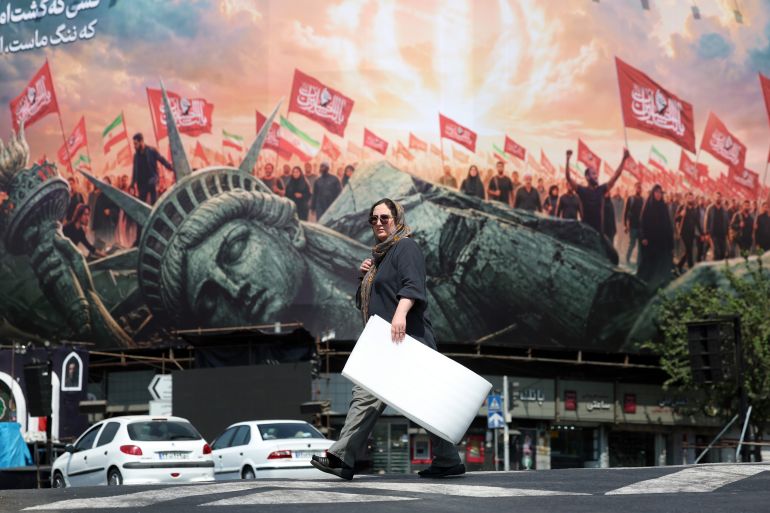
The Memorandum of Understanding (MoU) between the United States and Iran, intended to curb hostilities, is due to expire on Monday. Both nations have accused each other of breaching terms since the agreement's signing on June 17. Iranian Foreign Minister Abbas Araghchi stated on Telegram that Iran has not decided to resume negotiations with the US.
Meanwhile, mediators from Qatar and Pakistan have maintained communication with Iran. Araghchi mentioned that Iran is negotiating a separate deal with Oman focused on establishing new shipping routes in the Strait of Hormuz, contingent on achieving a political solution.
On the US side, President Donald Trump recently articulated plans to assert control over this vital waterway during a rally in New York. The agreement, brought about by high-level discussions in Pakistan, aimed to cease hostilities that had resulted in significant casualties and disrupted commercial activities in the Gulf. It outlined key goals including the termination of military operations between the two nations and addressed broader conflicts in the region.
Under the terms, the US was to end its naval blockade within 30 days and withdraw forces after a comprehensive agreement was reached. Furthermore, it was stipulated that the US would provide a reconstruction package worth at least $300 billion and lift sanctions on Iran, thereby allowing access to frozen funds. In return, Iran was required to clear mines from the Strait of Hormuz and ensure unrestricted passage for ships for a period of 60 days. Tehran also committed to not pursuing nuclear weapons while agreeing to negotiate aspects of its nuclear programme in a future deal confirmed by the United Nations Security Council.
However, since the MoU's inception, disagreements have arisen, primarily regarding its classification as a ceasefire versus a permanent agreement. Tensions escalated when Trump labelled Iranian military strikes in the region as a violation of the agreement, while Iranian officials countered that US actions similarly breached their commitments.
By early July, Trump declared the agreement 'over,' with the US continuing to conduct military operations that reportedly targeted Iranian infrastructure, leading to significant casualties. Responses from Iranian officials included claims that the US had voided all commitments, prompting Tehran to do the same.
The situation remains fraught, as the US has not fully lifted sanctions and Trump has dismissed the notion of compensating Iran for reconstruction. Recently, the Pentagon acknowledged that it fired upon a Panamanian cargo vessel in the Strait due to a perceived breach of the US blockade.
Mostafa Khoshcheshm, a professor at the University of Applied Sciences in Tehran, indicated that the ceasefire has become ineffective due to the US's failure to comply with the MoU's terms. He specifically noted Iran's frustration over unfulfilled obligations, including the release of Iranian assets and the naval blockade's continuation.
As the expiration date approaches, interpretations of the MoU's implications vary. Araghchi stated that the Islamabad agreement symbolises the end of war, not a mere ceasefire that would require extension. Additionally, recent appointments within Iran's security apparatus signal a potentially more assertive stance in any forthcoming negotiations.
Former head of the Islamic Revolutionary Guard Corps, Mohsen Rezaei, has been named the new head of Iran's Supreme National Security Council. Analysts suggest this change aims to improve coordination between military and civilian operations, reinforcing the perception that Iran believes it has the upper hand in future talks.
Any new discussions may come with increased Iranian demands, such as halting the conflict in Gaza, lifting sanctions, and addressing Yemen's blockade, along with calls for Israel's denuclearisation. In a climate of heightened rhetoric, Trump has indicated a commitment to assert control over the Strait of Hormuz, emphasising a confrontational approach rather than a conciliatory stance toward Iran.

Election Commission Extends Deadlines for Andhra Pradesh and Meghalaya
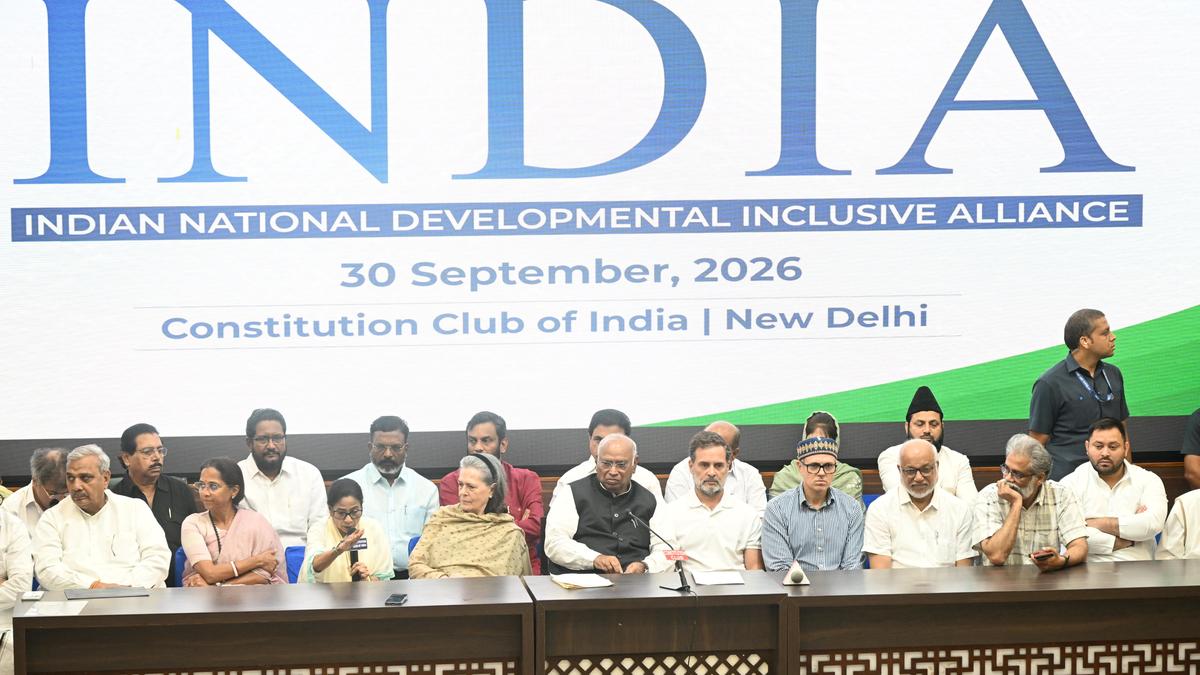
INDIA Bloc Announces Nationwide Campaign Against Chief Election Commissioner

Gujarat Authorities Seize ₹3,000 Crore Worth of Drugs at Sea
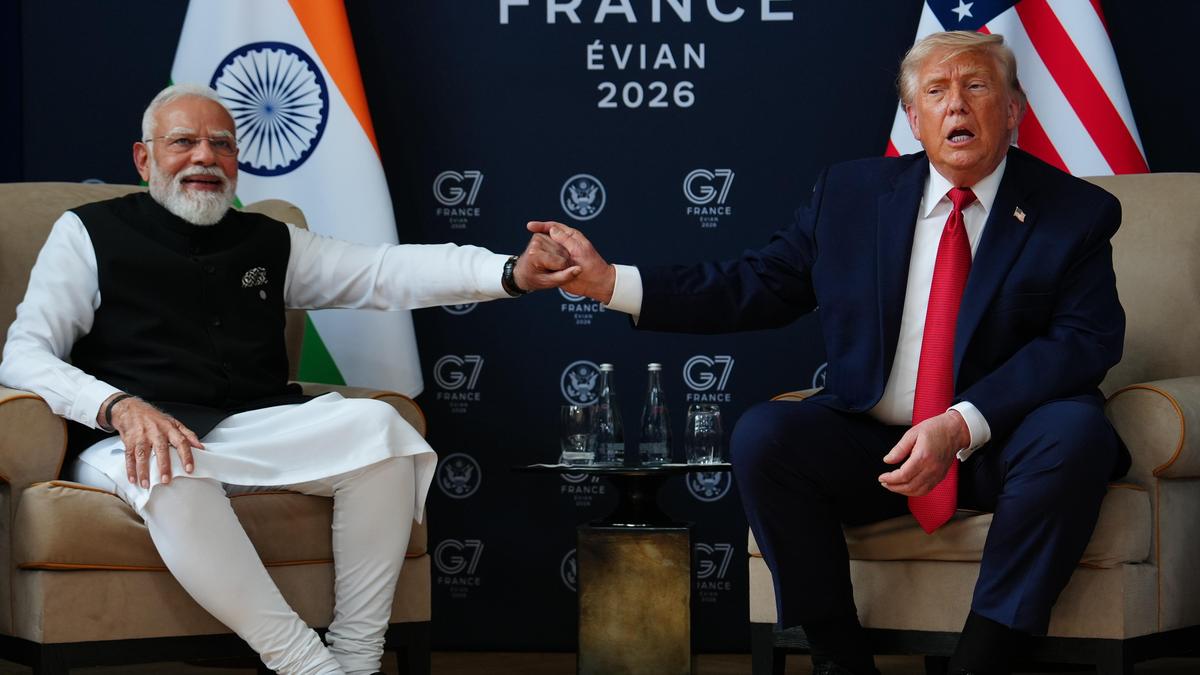
Modi and Trump Discuss Bilateral Cooperation in Key Sectors