US Imposes New Sanctions on Iran Amidst Economic Tensions


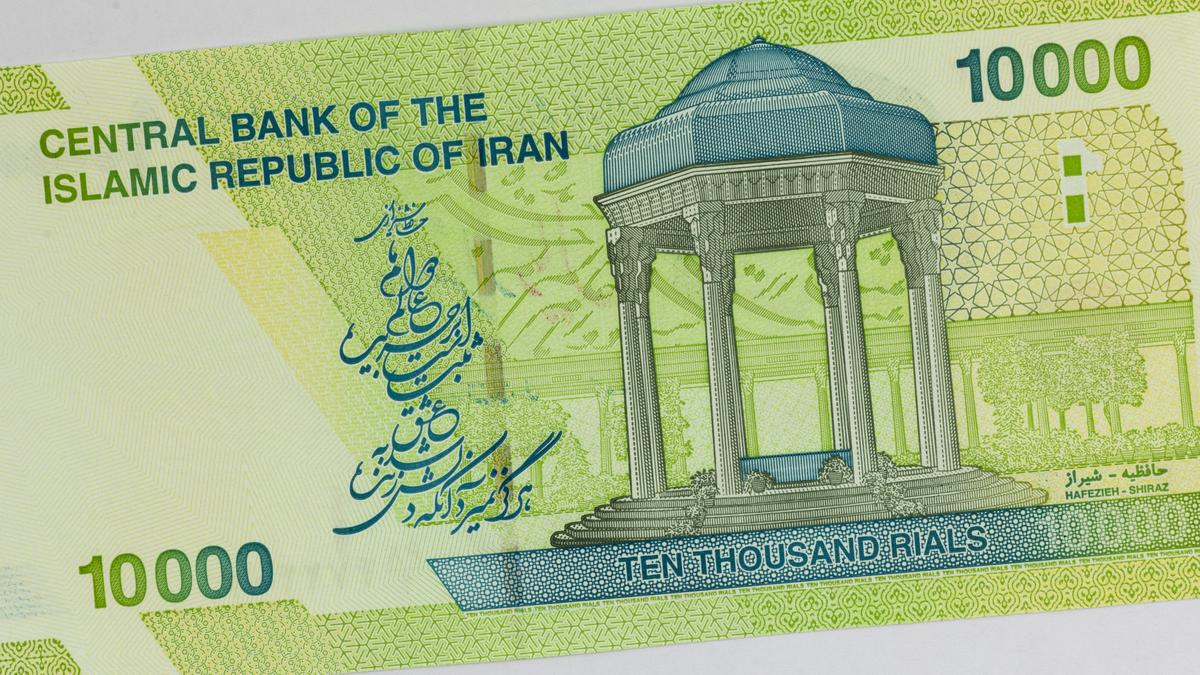
The United States has announced new sanctions aimed at Iran, according to statements from US Treasury Secretary Scott Bessent. The measures are designed to undermine the Iranian regime's financial capacity, with a call for allies to support these actions. Trita Parsi, the executive vice president of the Quincy Institute in Washington, speculated on the potential repercussions of these sanctions, particularly regarding trade with Chinese entities.
"If the US now goes after the Chinese only weeks before [Chinese President] Xi is supposed to arrive in Washington; I find it unlikely," Parsi stated, explaining that the US government faces significant diplomatic and legal challenges.
Historically, Chinese support has mitigated dire economic scenarios, such as when Beijing halted oil purchases to avoid a global economic downturn during a crisis. According to Parsi, this strategy benefited both China and the US by keeping oil prices manageable.
On the Iranian front, the new measures have prompted significant concern, creating a complex situation for Tehran. As diplomatic overtures remain uncertain, the Iranian government is faced with mounting military tensions and warnings of potential military confrontations that might escalate beyond regional borders.
Mohammad Bagher Ghalibaf, Speaker of the Iranian Parliament, expressed scepticism about the impact of the sanctions. Directly addressing US assertions, Ghalibaf stated, "The Americans know that nobody takes their bluster seriously. The United States is not in an economic situation to restrict its relations with other countries any further." He also noted that Iran’s trade partners are dismissive of the US Treasury Secretary's remarks.
Recent shipping data indicated a dramatic drop in commercial traffic through the Strait of Hormuz, with reports showing that only one vessel transited the vital waterway on Monday, a stark decline from previous volumes.
Highlighting the geopolitical dynamics, Field Marshal Asim Munir, Chief of the Pakistan Army, visited Tehran to advocate for the reopening of the Strait of Hormuz and urged for a swift resolution to the ongoing conflict.
Pakistani officials met with prominent Iranian leaders, including President Masoud Pezeshkian, to discuss preventing further escalation and pursuing diplomatic solutions. The Strait of Hormuz is critical for global oil transport, and its stability is of paramount importance.
Additionally, the report highlighted a 2.5 per cent increase in overall traffic through the strait in the previous week, despite indications of weakened commercial activity overall. Approximately 46.3 per cent of vessels utilised an Iranian routing scheme.
International oil prices have displayed some stability after fluctuating significantly. Brent crude has edged slightly lower, while West Texas Intermediate crude prices have slightly increased. Traders are reflecting on the implications of tightened US sanctions on Iranian oil exports.
Kerala Initiates Probe into 2006 Suicide Case Involving CEC
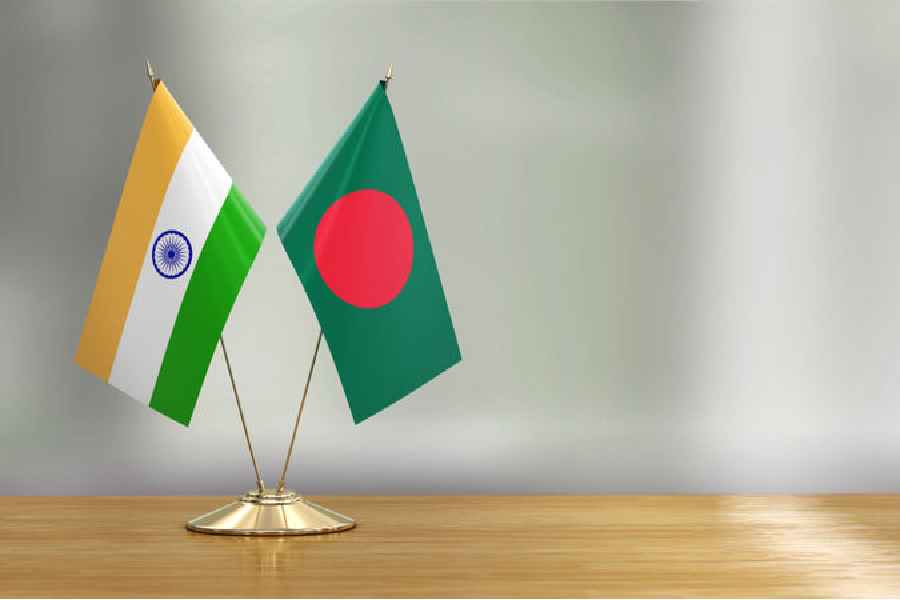
Extradition of Sheikh Hasina Feasible, Says Indian High Commissioner

Punjabi Makeup Artist Mad Sandhu Shot Dead in Amritsar

India Achieves Fourth Place at Asian Games 2026 Through Late Success