US Expands Public Charge Rule, Impacting Indian Green Card Applicants


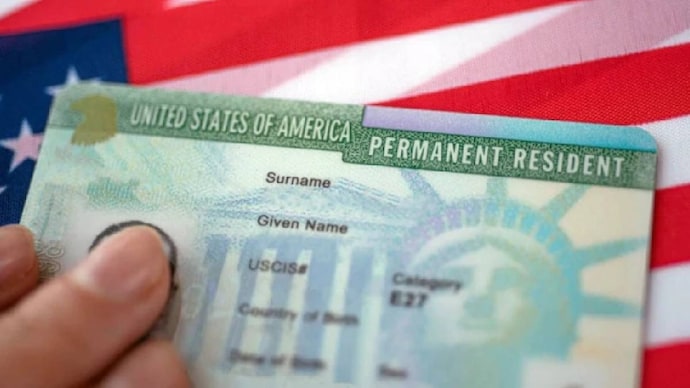
Indian nationals applying for US green cards are likely to encounter increased scrutiny due to a recently announced policy change by the US government. The revised rule, which broadens the definition of a 'public charge', is set to take effect on September 18 and grants immigration officers greater discretion in evaluating applicant eligibility.
The policy, finalised by the US Citizenship and Immigration Services (USCIS), will influence applications for permanent residency, including Form I-485, that are submitted or postmarked after the implementation date. Previously, the assessment of public charge status primarily considered only two types of assistance: cash payments for income maintenance and long-term institutionalisation at the government’s expense.
Under the new guidelines, immigration officers will assess five statutory factors to determine whether an applicant is likely to depend on government assistance. These factors include the applicant’s age, health, family status, financial resources, and education or skills. Additionally, the use of certain public benefits will now be taken into account when evaluating the potential for an applicant to become a public charge.
Public benefits that could influence this determination include cash assistance for income maintenance, housing aid, food stamps, and financial support for education. Notably, the evaluation will extend to any public benefits utilised by an applicant’s dependents, regardless of their immigration status, potentially affecting families with mixed-status members, including US citizens.
An official statement from USCIS indicated that immigration officers would consider the new statutory factors alongside any other relevant factors when assessing an applicant’s likelihood of becoming a public charge. If a determination is made that an applicant for lawful permanent residence is inadmissible solely on these grounds, USCIS may offer the opportunity to post a public charge bond.
This change follows the Department of Homeland Security's reversal of the 2022 public charge regulations established under the Biden administration. The final rule was announced on July 16 and published in the Federal Register on July 20. Legal experts, including immigration attorneys Cyrus Mehta and Damira Zhanatova, have expressed concerns that the revised rule may provide officers with significant discretion in their evaluations of adjustment of status requests.
According to analysis from the Kaiser Family Foundation, approximately 13.5 million individuals enrolled in Medicaid or the Children’s Health Insurance Program (CHIP) live with at least one non-citizen, including 5.6 million US citizen children. The foundation's analysis estimated that between 1.4 million and 4.1 million Medicaid and CHIP enrollees residing with non-citizens might exit these programmes due to concerns related to the new regulation.
Notably, the rule does not apply universally to all green card applicants. Exempt categories include refugees, asylees, certain Afghan and Iraqi nationals who aided the US government, and various other vulnerable populations.
The impact of these changes is especially pertinent for Indian applicants, given that India accounts for a significant portion of green cards issued annually. In 2023, approximately 78,100 green cards were granted to Indian nationals, representing about 7% of all green card recipients. Of these, around 60% secured their green cards as immediate relatives of US citizens or through family-based categories.
Although receiving a public benefit will not automatically disqualify an applicant from obtaining a green card, the enhanced breadth of factors considered and the elevated discretionary power of immigration officers may complicate the process for Indian applicants. The new evaluation framework will be applied to all relevant applications filed after September 18.
Kerala Initiates Probe into 2006 Suicide Case Involving CEC
Extradition of Sheikh Hasina Feasible, Says Indian High Commissioner

Punjabi Makeup Artist Mad Sandhu Shot Dead in Amritsar
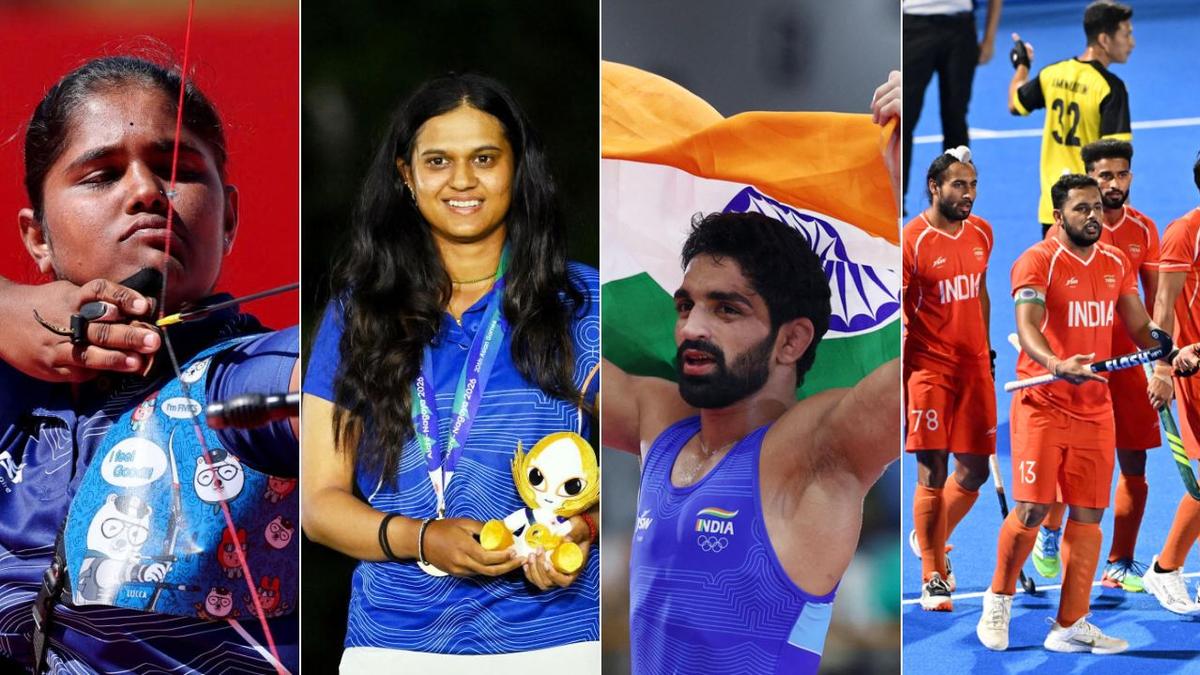
India Achieves Fourth Place at Asian Games 2026 Through Late Success