US Court Declares Trump's 10% Global Tariff Unlawful


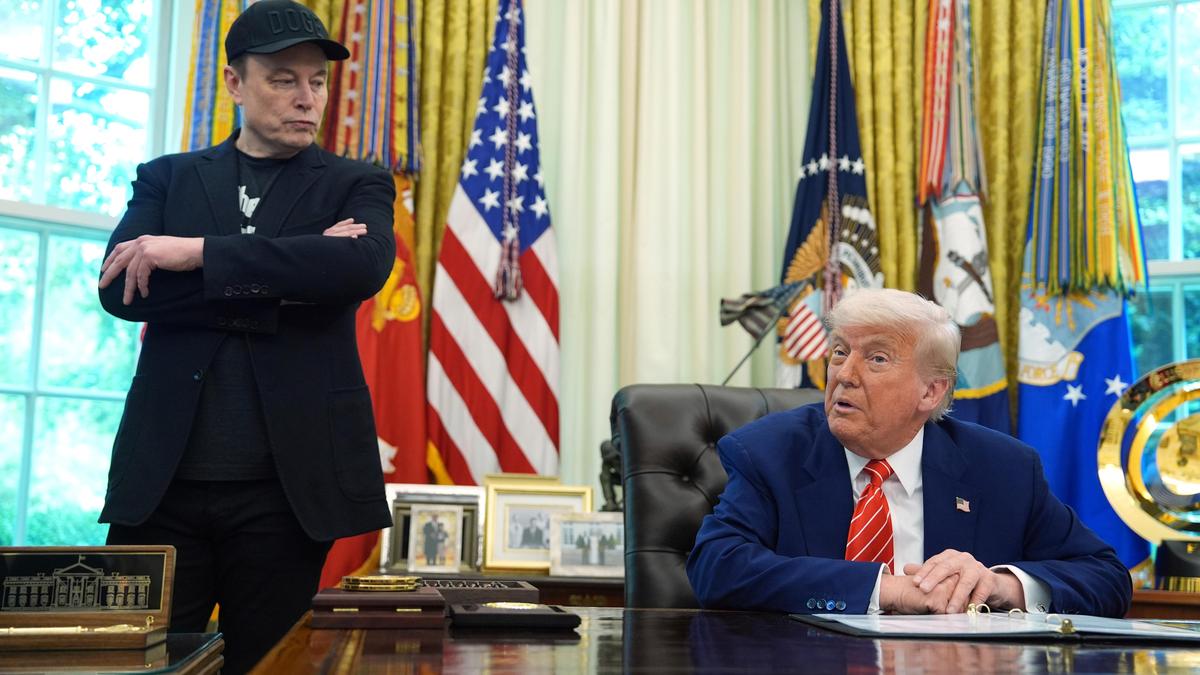
The US Court of International Trade (CIT) has determined that the 10% temporary tariff imposed by former President Donald Trump on imports from all trading partners was unlawful. This decision, made public on May 7, 2026, marks a significant blow to efforts to use tariffs as a means to further policy objectives.
The ruling came as a response to legal action taken by two small companies from Washington State, which argued that the tariff was not legally justified. However, despite this decisive ruling, it does not provide immediate relief for most importers affected by the tariff, as the CIT has limited its decision to the plaintiffs only and has not ordered a general cessation of the tariff across the board.
While the court ruled that the U.S. government should refund the tariffs collected from the plaintiffs, the overall tariffs remain in effect for all other importers until further decisions are made. The U.S. government is expected to appeal the CIT's decision at the federal court level, a process that could prolong the current situation for several months.
The tariff was introduced on February 24, 2026, under Section 122 of the Trade Act of 1974. President Trump imposed it as a temporary measure, citing a need to address balance of payments deficits. However, the CIT noted that this statute did not include trade deficits or current account deficits, which were among the justifications provided by Trump for imposing the tariff.
“Although this ruling is a clear setback for the previous administration's trade policies, it remains to be seen how it will play out in the appeals process,” commented Peter E. Harrell, a visiting scholar at Georgetown Law School’s Institute of International Economic Law.
The ruling arrives at a time when the U.S. government has started refunding tariffs paid by importers who had been subjected to previous reciprocal tariffs, which were found unconstitutional by the Supreme Court. It coincides with ongoing investigations directed by the U.S. under Section 301 of the Trade Act, focusing on fair trade practices and labour rights violations by several international trade partners, including India.
These investigations might empower the U.S. government to reinstate tariffs based on their findings, which are scheduled to conclude by July. The timeline overlaps with the expiration of the current 10% import tariff.
Officials from the Indian government have indicated that the CIT ruling may bolster India's position regarding ongoing trade negotiations with the U.S., particularly concerning the Interim Agreement established in February 2026. This agreement initially promised lower tariffs for India compared to its competitors. However, the ratification of the deal is contingent upon a final decision about existing tariffs.
Negotiations for this trade agreement between the two nations have resumed, but discussions are clouded by the unresolved tariff situation. Indian officials are withholding decisions until the U.S. clarifies its stance on imposed tariffs, stressing the need for preferential treatment to enhance their competitive edge in the U.S. market.

Concerns Rise Over Delhi Voter Registration Discrepancies
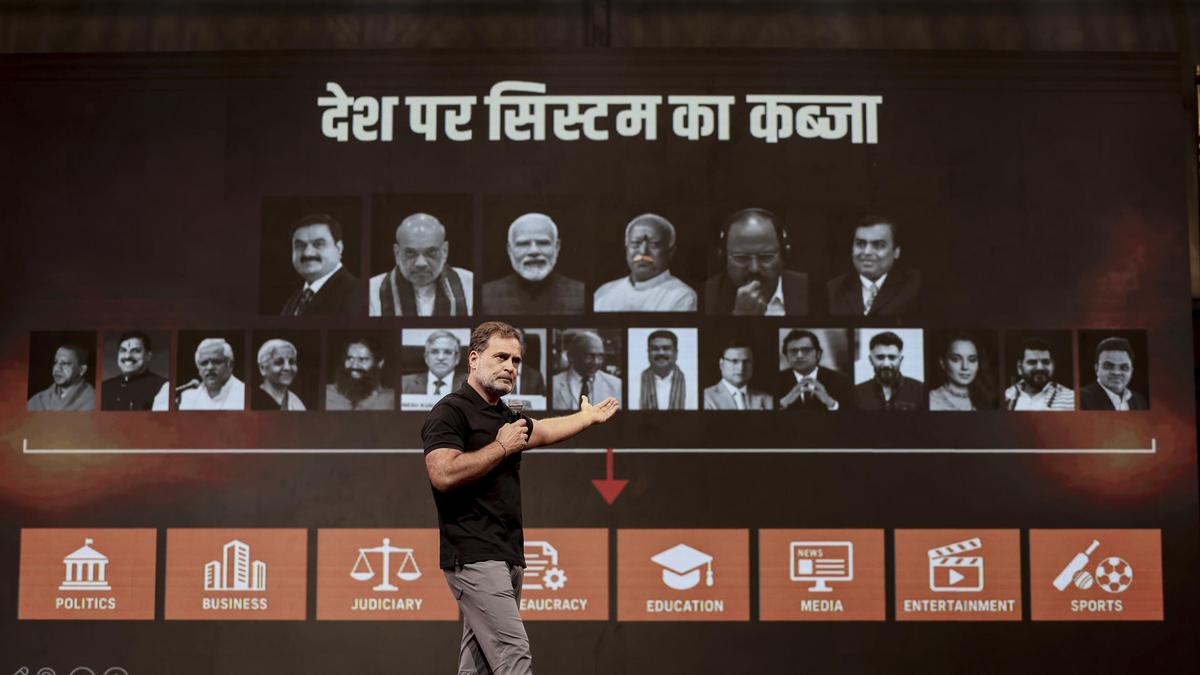
Controversy Erupts Over Rahul Gandhi's PM Modi Mimicry at Event

Father of IIT Bombay Student Calls for Action Against Discrimination

India and Japan Conduct Joint Air Exercise 'Veer Guardian-2026'