US-Canada Trade Talks Intensify Ahead of Tariff Deadline


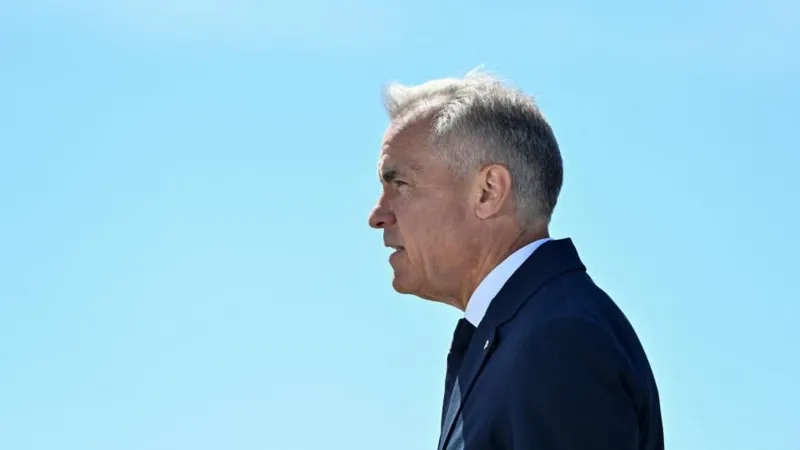
Trade negotiations between Canada and the United States are reaching a critical juncture as a deadline looms for new tariffs set to come into effect this week. Canadian negotiators have been actively engaged in discussions in Washington, aiming to secure a deal before tariffs of up to 50% on approximately $20 billion (C$28 billion) worth of Canadian imports are imposed. Prime Minister Mark Carney, involved in the discussions, has refrained from divulging specific details, describing the negotiations as 'very delicate and intense.' He emphasized that this was not the appropriate time for public negotiations.
The urgency of the situation increased after a phone conversation between Prime Minister Carney and US President Donald Trump, confirming the seriousness of the matter. Carney suggested that Canada was negotiating from 'a position of strength,' yet the stakes are considerable. The impending tariffs would impact around 5% of all Canadian imports, which has significant economic implications.
Reports indicate that despite several meetings between Canadian officials and US Trade Representative Jamieson Greer, an agreement has yet to materialise. Trade Minister Dominic LeBlanc remarked that their efforts are ongoing, stating, 'Our job is not yet done' as he exited discussions with Greer. Tensions are evident as President Trump has previously characterised Canada as 'nasty' in trade negotiations, a sentiment that Carney partially acknowledged.
Both parties are aware of the high risks involved. Trump has warned that he will adopt a tougher stance if negotiations fail to yield satisfactory results. Even if a deal is achieved, Carney faces the challenge of justifying any concessions to a public that is frustrated with the US administration. It will also be necessary to gain approval from Canada's provinces regarding any compromises.
The US is seeking several major concessions from Canada, including the removal of remaining tariffs on American automobiles, adjustments to dairy quotas, and an end to the ban on US alcohol sales implemented by various Canadian provinces as retaliation for Trump's tariffs. Ontario Premier Doug Ford expressed that any agreement regarding alcohol would depend on the provinces agreeing to relax their restrictions. He maintains a tough stance on US negotiations, stating that he would only consider relaxing regulations if it were beneficial for Canadian industries.
Canada's aim is to see the US either drop or reduce tariffs affecting its critical sectors, including steel, aluminium, automobiles, and lumber, which have adversely affected the Canadian economy. Premier Ford indicated that a satisfactory deal that protects sectors such as steel and agriculture would warrant a reconsideration of the alcohol sales ban.
On the dairy front, Carney may encounter opposition to any concessions, especially from leaders in Quebec, where supply management policies are deemed untouchable. The Trump administration has expressed dissatisfaction with Canada's dairy pricing system, which they claim creates an unfair barrier for American farmers wishing to export products to Canada.
The new tariffs, announced on 20 July, are set to take effect on Wednesday, 19 August. A recent poll conducted by Abacus Data revealed that 74% of Canadians believe the trade dispute has affected their households, and 36% advocate for Canada to introduce counter-tariffs, despite the potential for increased domestic economic hardship. In contrast, only 18% show support for concessions like lifting provincial bans on American alcohol to prevent new tariffs from being imposed.
Media reports have indicated that Canada's chief negotiator, Janice Charette, cautioned US representatives that the introduction of these tariffs could jeopardise future trade negotiations. Prime Minister Carney has maintained his stance that he will not sign any agreement that is not advantageous for Canada, although he has remained vague on the specifics of what such a deal would entail. He assured that over the next 48 hours, there will be opportunities to discuss negotiations further.
Conservative trade critic Shuvaloy Majumdar has expressed a desire for relief from ongoing economic anxiety, stating that Canadians are weary of being 'used as a punching bag' in international trade disputes. He also conveyed hope that Prime Minister Carney would secure a genuine victory at the negotiating table, reflecting the sentiment of many Canadians as they await the outcome of these pivotal conversations.

Social Media Celebrates Mumbai Pilot Captain Smit Machchhar

Flydubai Co-Pilot's Iran Allegations Involve Trump and Netanyahu
France's Student Protests Escalate into Nationwide Unrest

Mamata Banerjee Criticises Election Chief Over Poll Irregularities