US Awaits Iran's Response Amid Ongoing Tensions in Hormuz Strait


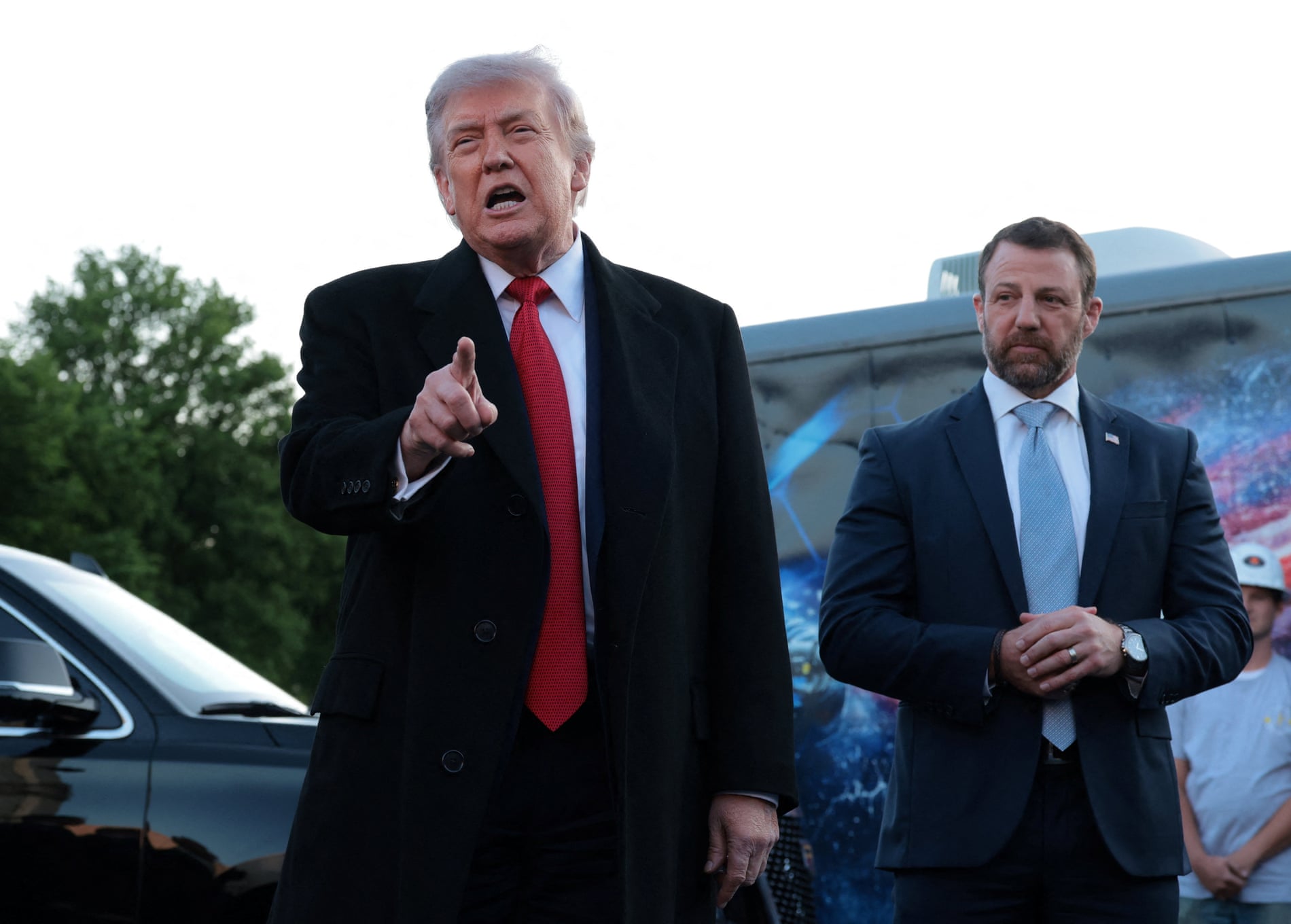
Efforts to navigate a diplomatic resolution continue despite escalating violence in the Strait of Hormuz. Marco Rubio, the United States Secretary of State, stated that Washington anticipates a response from Iran regarding proposals for an interim ceasefire deal on Friday. This comes as Iran accused the US of violating the fragile ceasefire established last month.
Recent days have seen intense fighting in and around the strategically significant strait, which is a critical passage for global oil shipments. The violence intensified following an announcement by former President Donald Trump about a new naval mission aimed at securing the waterway, which was quickly paused. The US military reported that its forces fired upon and disabled two Iranian-flagged tankers attempting to breach the blockade of Iranian ports.
Despite these clashes, diplomatic talks remain ongoing, with Pakistan facilitating communication by relaying a memorandum from the US to Iran, which could serve as a foundation for a more robust ceasefire agreement and further negotiations. Rubio, speaking from Rome, expressed hope for a serious response from Iran, stating, "We’re expecting a response from them today at some point ... I hope it’s a serious offer, I really do ... The hope is it’s something that can put us into a serious process of negotiation."
The tensions have fluctuated between optimism and despair as both nations appear to test each other’s resolve through a combination of aggressive rhetoric and military actions. Iran’s Foreign Minister, Abbas Araghchi, accused the US of breaching the ceasefire, claiming on social media platform X, "Every time a diplomatic solution is on the table, the U.S. opts for a reckless military adventure." He also indicated that Iran's ballistic missile capabilities had not only been restored but expanded during the ceasefire period.
Control over the Strait of Hormuz and the threat to target oil and infrastructure in allied countries are significant leverage points for Iran in these negotiations. The US has imposed a blockade on Iranian shipping in an effort to apply pressure on Tehran, aiming to eliminate its missile capabilities, a primary goal stated by US officials at the war's onset.
An Iranian official reported that US attacks in the Strait of Hormuz damaged an Iranian cargo vessel, resulting in injuries to ten sailors, with five others reported missing. However, it remains unclear if this vessel was specifically targeted. The US Central Command confirmed that Iranian forces launched an attack involving missiles, drones, and small boats towards three US warships, although none were hit. In response, US forces destroyed the incoming threats and retaliated against land-based targets in Iran.
In parallel, the United Arab Emirates reported it had responded to a separate missile attack from Iran, stating that air defences engaged two ballistic missiles and three drones, resulting in three injuries among its citizens. There was uncertainty regarding the complete success of the interception efforts.
Iran has been known to launch numerous missile assaults against the UAE during the ongoing conflict, impacting civilian areas, including infrastructure crucial for tourism and oil production.
While Trump declared that the ceasefire remained intact, earlier expectations of an interim deal before his trip to China now appear overly optimistic. Calling recent military engagements "just a love tap," Trump reiterated threats to launch a significant military offensive against Iran unless an agreement is reached soon. The US proposal reportedly includes a formal ceasefire of at least 60 days, leading to discussions on contentious issues such as Iran’s nuclear ambitions. Trump remarked to reporters, "They have to understand: if it doesn’t get signed, they’re going to have a lot of pain."
Despite widespread scepticism regarding prospects for an agreement, the mere possibility of a deal to partially reopen the Strait of Hormuz resulted in global stock markets nearing record highs, followed by a drop in oil prices, though Brent crude oil prices began to rise again on Friday. Historically, the strait accounts for a fifth of the world's oil supplies, and its closure has already contributed to rising fuel costs globally, which poses a risk to economic stability.
Pakistani officials have expressed cautious optimism about a potential agreement, having previously hosted unsuccessful talks last month. On Monday, US military actions included the destruction of six Iranian small boats alongside missiles and drones after Trump ordered warships to escort stranded vessels through the strait. While some ships managed to pass under US navy protection, plans referred to as “Project Freedom” were reportedly halted after approximately 48 hours, following complaints from regional allies.
Analysts note a divide among Iranian leadership on the approach towards negotiations with the US. Some leaders seem inclined to prolong discussions until after the US midterm elections in November, hoping for a more favourable deal amid increasing domestic pressure on the Trump administration. However, regional diplomats caution that Iran risks overestimating its position, with potential opportunities for peace and a claim of victory should hostilities cease now, which may disappear if fighting escalates again.

Concerns Rise Over Delhi Voter Registration Discrepancies
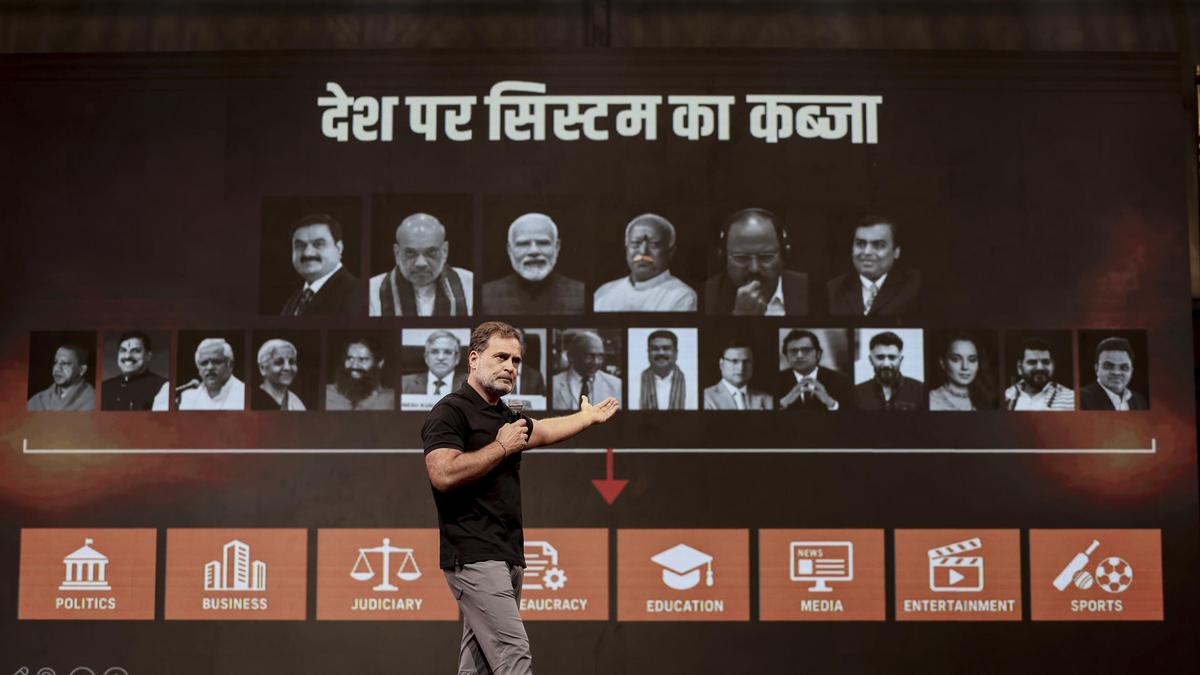
Controversy Erupts Over Rahul Gandhi's PM Modi Mimicry at Event

Father of IIT Bombay Student Calls for Action Against Discrimination

India and Japan Conduct Joint Air Exercise 'Veer Guardian-2026'