Execution Attempt in Tennessee Raises Concerns



A recent execution attempt in Tennessee involving inmate Christa Pike has raised significant concerns following an unprecedented incident. Pike, 50, reportedly remained alive and breathing after receiving two doses of pentobarbital, a barbiturate employed in the state's lethal injection procedures. This event is particularly notable given that Michael Graczyk, a journalist who has covered nearly 500 executions in Texas, stated that he had never encountered a situation where an inmate survived the lethal injection.
Graczyk, who continued to follow executions even after retiring from The Associated Press in 2018, expressed a mixture of surprise and foresight about this anomaly. He shared his thoughts with BBC News, saying, "It seems to me it was just a matter of time." Tennessee's execution protocol stipulates that a secondary set of syringes filled with pentobarbital should be available if the inmate does not die from the initial injection. However, the protocol lacks guidance on the course of action if the individual remains alive after the second dose.
After the failed execution attempt on Wednesday night, Governor Bill Lee announced a suspension of executions in Tennessee and ordered an independent review of the procedures. This incident comes amidst growing scrutiny regarding botched executions in the United States, which have become more frequent in recent years, particularly due to a shortage of lethal injection drugs and changes in supply sources.
Christa Pike is currently receiving medical treatment, described as "life-saving care," according to her lawyer. The use of lethal injections as the predominant form of capital punishment in 27 states has seen its fair share of problematic executions. The Death Penalty Information Center, a non-partisan think tank, defines a botched execution as one that presents unexpected issues or delays, resulting in unnecessary suffering for the inmate.
Since 1982, the Centre has documented a total of 64 botched executions, with 51 classified as lethal injections. In several instances, executions were halted due to complications with intravenous (IV) lines. Graczyk highlighted that he had never witnessed an execution fail after the drugs were administered, stating, "That has never happened here" in Texas where he has closely monitored these events.
With 1,683 executions carried out across the US since 1976, Texas leads with 602 executions. The state was the first to implement lethal injections as a method of execution. Graczyk emphasised the importance of witnessing these executions, believing that it provides accountability and transparency in the justice system. He has profound empathy for the victims, remarking on the lack of focus on them during discussions surrounding cases like Pike's.
Pike was convicted for the murder of Colleen Slemmer, a 19-year-old who was brutally killed in 1995. Slemmer's mother, May Martinez, was present during the execution attempt and described it as "a mess". Graczyk noted that in Texas, media observers are not present in the execution chamber during the insertion of the IV line, which adds to the complexities of reporting on these events.
In typical lethal injections, the IV is placed in the crook of the arm, but if this fails, other sites such as the hand, leg, or neck may be used. Successful execution outcomes generally result in the inmate becoming unconscious within seconds of the drug being administered. Graczyk recounted a notable execution from 1998 when the inmate sang "Silent Night" before dying, a memory that continues to resonate with him.
Graczyk’s commitment to covering executions stems from a desire to ensure clarity and honesty in the reporting of an act that holds the ultimate consequence— the taking of a life. Despite his retirement, he continues to work on execution coverage, driven by a sense of responsibility to reflect on both the victims and the broader implications of capital punishment within the judicial system.
As Tennessee reviews its execution protocols following this incident, questions surrounding ethical practices and operational procedures are expected to remain at the forefront of public discourse regarding capital punishment in the US.

Indian Women's Hockey Team Secures Asian Games Gold After 44 Years

Protests in Delhi Demand Resignation of Chief Election Commissioner
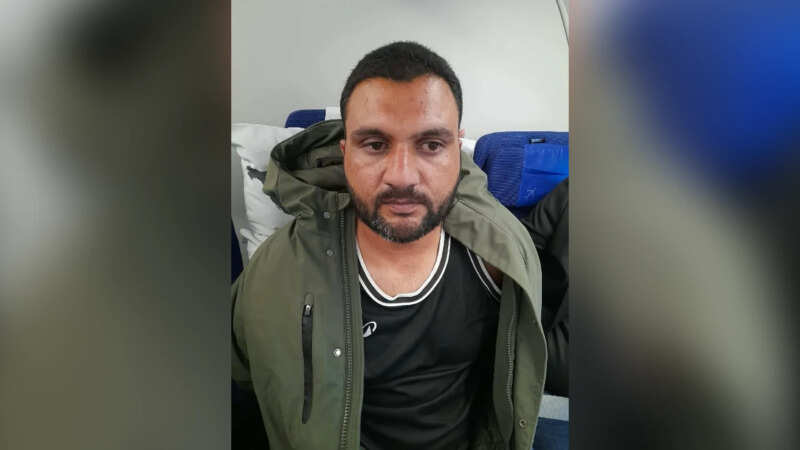
Hardened Narco-Trafficking Kingpin Navpreet Singh Deported from Türkiye

Election Commission Initiates Drive to Re-Enrol Omitted Voters