Fractures in children indicate bone fragility


Osteoporosis is typically perceived as a condition impacting primarily older individuals. However, medical professionals assert that children can also develop weakened bones. Ahead of World Osteoporosis Day, which is marked annually on October 20, Dr Manoj Padman, a specialist in paediatric orthopaedics, explained that while paediatric osteoporosis is relatively uncommon, it is often linked to serious medical issues, chronic diseases, nutritional deficiencies, limited physical activity, or certain medications.
Dr Padman emphasised that comprehending the myths surrounding bone health is crucial for parents. Early recognition of the condition can lead to better support for healthy bone development.
Myth 1: Osteoporosis is exclusive to older adults Dr Padman noted that although osteoporosis predominantly occurs in the elderly, children can develop the condition too. Primary osteoporosis may arise due to inherited bone disorders, while secondary osteoporosis can result from chronic illnesses, lack of mobility, or the long-term use of certain drugs, particularly corticosteroids. He highlighted the importance of identifying the underlying cause for effective management.
Myth 2: Fractures in children indicate bone fragility It is common for children to sustain fractures due to their active lifestyle, with falls occurring during play or sports. Dr Padman stated that a single fracture from a notable fall does not necessarily signal weak bones, as up to half of all children are expected to fracture a bone before reaching adulthood. Nevertheless, persistent fractures or those happening without significant trauma should trigger immediate medical evaluation.
Myth 3: Low bone strength presents clear symptoms The paediatric orthopaedic specialist warned that diminished bone strength often does not manifest noticeable symptoms until bone pain or fractures occur. Particularly, experiencing two or more long-bone fractures before the age of ten or an unexplained vertebral fracture necessitates prompt assessment.
Myth 4: Calcium is the only nutrient for bone health While calcium is critical for developing strong bones, Dr Padman pointed out that vitamin D, balanced nutrition, and regular physical activity are also essential. He recommended that children partake in age-appropriate weight-bearing exercises and consider supplements if necessary, based on dietary evaluations and medical counsel.
Myth 5: Bone density tests are the only assessment needed Children's skeletal growth means that bone density results must be interpreted with regard to age, body size, and development. Dr Padman explained that a paediatric specialist might advocate for blood tests, imaging for bone density, or other evaluations depending on the child's medical history and fracture occurrences.
Dr Padman stressed that fostering healthy habits during childhood is paramount for developing robust bones, which carry into adulthood. He recommended that parents seek medical guidance if a child suffers from repeated fractures, unexplained bone pain, or atypical fractures. Timely assessments can identify underlying health issues and facilitate healthy skeletal development.
This information serves as a reminder that while osteoporosis is often associated with older individuals, it is essential for parents to be aware of the risk factors and symptoms in children. Vigilance can lead to timely intervention and improved bone health in young individuals.

UAE Deputy Prime Minister Sheikh Abdullah Al Nahyan Commences Mumbai Visit
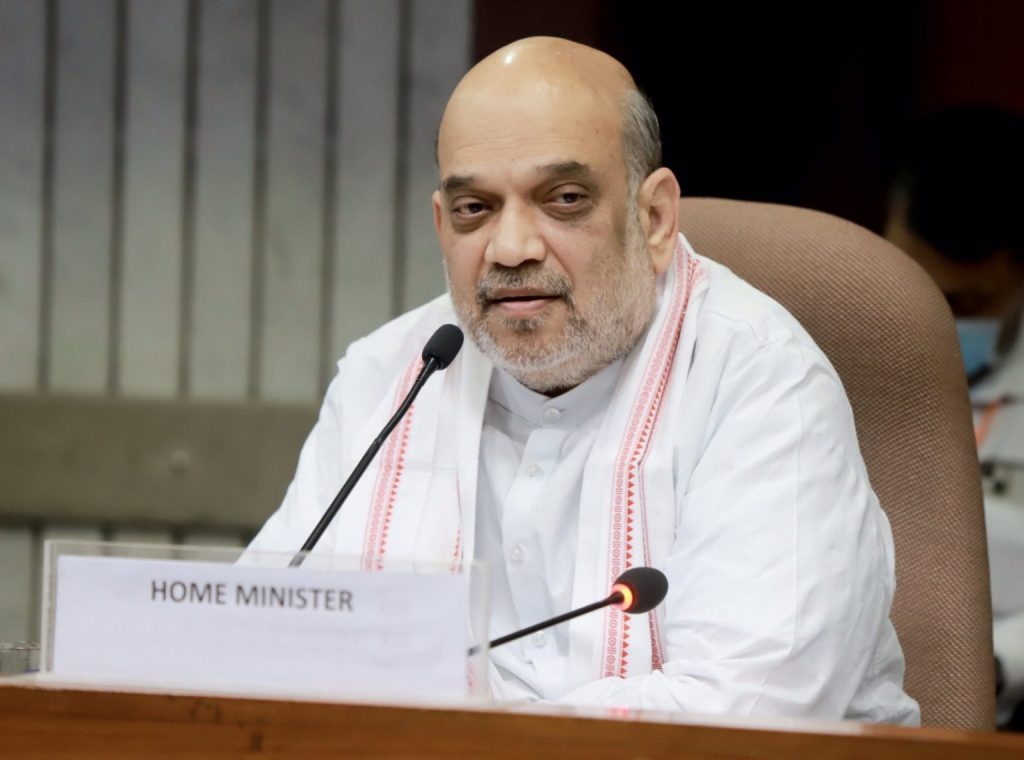
Amit Shah's Visit to Punjab Aims to Address Drug Issues
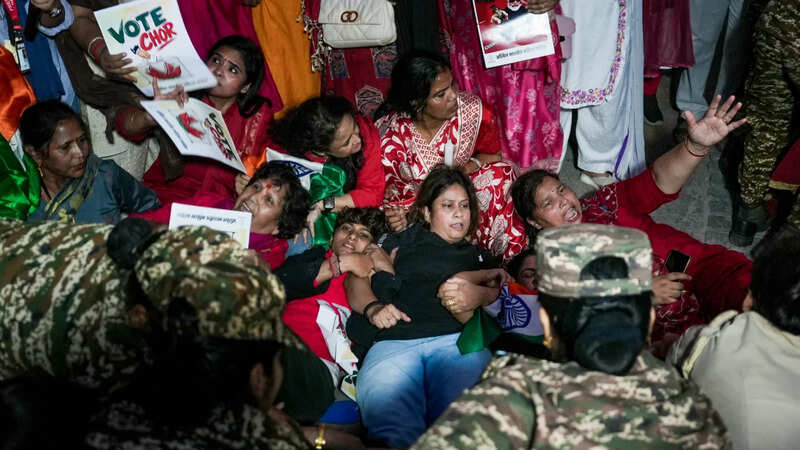
Indian Scholars Condemn Protests Against Election Commission

JNU Students' Hunger Strike Reaches 17-Day Mark Amid Rising Tensions