Heart Disease in Women: Myths and Realities


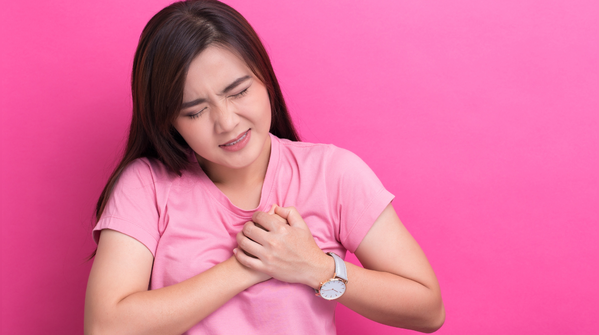
Heart disease is frequently mischaracterised as primarily affecting men, yet women are equally at risk of serious cardiovascular health issues. Even women who maintain a healthy lifestyle can develop heart-related conditions, often without the classic symptom of chest pain. According to Dr Binay Kumar, Director of Interventional Cardiology & Electrophysiology at Yatharth Super Speciality Hospital in Faridabad, it is crucial to address the misconceptions surrounding women's heart health.
One prevalent myth is that women are entirely protected from heart disease until menopause. While premenopausal women do enjoy some protection due to the effects of estrogen, the risk increases significantly after menopause. The National Heart, Lung, and Blood Institute (NHLBI) indicates that as women age, the risk of heart disease escalates, and hormonal changes can exacerbate this vulnerability. Factors unique to women, such as pregnancy-related hypertension and diabetes, polycystic ovary syndrome (PCOS), and autoimmune diseases, all contribute to heart disease risk.
Another misunderstanding is that age is the sole factor determining heart disease risk. Dr Kumar emphasises that heart disease is a gradual process, often developing over several years. Lifestyle factors like smoking, poor diet, lack of exercise, and family history should be taken seriously regardless of age. Women need to be proactive in monitoring their health by regularly checking blood pressure, blood sugar, and cholesterol levels.
The notion that physical appearance indicates cardiovascular health is also misleading. A woman may appear healthy and slim but still face risks associated with high blood pressure or diabetes. Genetics plays a significant role; thus, a holistic approach to health checks is necessary. Dr Kumar notes that while a healthy lifestyle is beneficial, it cannot counteract all risks such as chronic stress or a family history of heart disease.
Furthermore, many women may not recognise traditional signs of a heart attack. Symptoms such as shortness of breath, unusual fatigue, nausea, dizziness, and discomfort in the back or jaw could signify a cardiac event. Dr Kumar states that women’s symptoms may not align with the expectations of ‘classic’ heart attack symptoms. Dismissing atypical symptoms could delay critical medical intervention, rendering timely care essential for better outcomes.
Finally, even though a family history of heart disease raises risk, it does not dictate one’s health destiny. Dr Kumar urges women to focus on preventive measures, stressing the importance of lifestyle choices. He states, “Don’t give in to your family history. Do something,” advocating for awareness of personal risk factors and medical management to mitigate these risks.
Overall, the conversation surrounding women's heart health needs to expand, encouraging greater awareness and timely evaluation of warning signs. Dr Kumar’s insights serve as a reminder that ignoring unusual symptoms may have serious consequences. Recognising the realities of heart disease in women can significantly improve early detection and treatment options, ultimately reducing complications.

Kerala Initiates Probe into 2006 Suicide Case Involving CEC

Extradition of Sheikh Hasina Feasible, Says Indian High Commissioner

Punjabi Makeup Artist Mad Sandhu Shot Dead in Amritsar

India Achieves Fourth Place at Asian Games 2026 Through Late Success