Understanding the E20 Debate: Engine Concerns and Mileage Loss


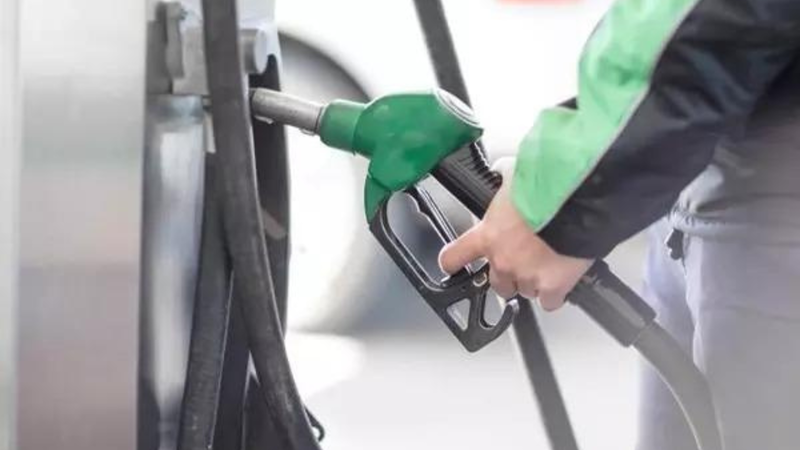
The recent introduction of ethanol-blended petrol, namely E20, has sparked significant debate in India. This new fuel formulation contains up to 20% ethanol and aims to reduce carbon emissions and reliance on fossil fuels. However, concerns regarding vehicle performance and engine compatibility have been raised.
Engine Compatibility and Performance Concerns
Experts and representatives from the oil industry have indicated that E20 is compatible with most modern vehicles. They argue that the fuel can potentially enhance combustion efficiency, leading to reduced emissions. However, there are fears that the higher ethanol content may lead to mileage loss in certain older vehicle models, which may not be designed to handle this higher blend.
R. Kesavan, a former deputy general manager at IndianOil, has reassured the public regarding the safety of E20 usage. During a recent press conference, he stated, 'Ethanol-blended petrol is widely used across countries like the United States and Brazil. We have conducted extensive studies, and the benefits far outweigh the concerns when used in vehicles designed for it.'
Addressing the Issue of Fuel Composition
An essential point raised by these representatives is the misconception regarding the composition of ethanol-blended petrol. They clarified that this fuel is not derived from sugarcane juice, as often assumed, but is produced through various other methods, including the fermentation of agricultural products. This clarity aims to alleviate concerns that consumers may have about the use of this new fuel.
Environmental Impact and Agriculture
Ethanol is produced primarily from agricultural sources, which also supports farmers by providing an additional revenue stream. This sustainable practice is seen as beneficial in promoting domestic agriculture while addressing environmental concerns. The use of ethanol is part of a broader initiative to transition towards greener energy sources in the automotive sector.
The Future of E20 and Automotive Regulations
As India pushes towards increasing its ethanol blending capabilities, regulatory measures are expected to be introduced to ensure vehicle compatibility and consumer safety. The Federation of Automobile Dealers Associations has advocated for a phased implementation of E20 to allow consumers time to adjust.
In conclusion, while the push for ethanol-blended fuel like E20 is seen as a positive step towards sustainable energy, consumers are advised to stay informed about the specifications of their vehicles. Ongoing research and public communication will be critical in ensuring a smooth transition to this new fuel standard.

Indian Women's Hockey Team Secures Asian Games Gold After 44 Years

North Korea Launches Ballistic Missile Amid Rising Tensions

G7 Nations to Release 100 Million Barrels of Oil Amid Price Surge

Flydubai Co-Pilot Allegedly Attempts Terrorist Attack Mid-Flight