U.S.-Iran Talks Progress Towards Ending West Asia Conflict



High-level talks between the United States and Iran have concluded in Switzerland with an agreement on a roadmap for a final deal aimed at ending the ongoing conflict in West Asia. Mediators from Pakistan and Qatar announced that both nations have committed to reach a comprehensive agreement within 60 days.
The discussions took place on June 22, 2026, at the Buergenstock Resort, following a marathon 18-hour meeting attended by senior officials. A joint statement indicated that a committee for political oversight has been established, setting the groundwork for continued technical negotiations. This committee will monitor the progress of discussions related to nuclear issues, sanctions, and other key areas, ensuring effective implementation of a previously established memorandum of understanding.
U.S. Vice President J.D. Vance, who led the American delegation, described the outcome as a significant step forward, stating, "We made a lot of good progress. We did exactly what we wanted to do.” He emphasised that while they have established a strong foundation, there remains much work to finalize a comprehensive deal.
One of the notable outcomes of the talks is the establishment of a "de-confliction cell" involving Lebanon, aimed at halting military operations in the region, particularly between Israel and Hezbollah. This move is seen as a crucial component in achieving a ceasefire in Lebanon, where conflict has escalated since March when Hezbollah began supporting Iran against Israel.
In conjunction with this, the U.S. Treasury has issued a temporary waiver of sanctions on Iranian oil for 60 days, allowing for the production and sale of oil, which is a key economic lifeline for Iran.
Iran's parliamentary speaker, Mohammad Bagher Ghalibaf, highlighted major progress in the negotiations, stating that this dialogue represents a significant test for peace efforts in Lebanon. However, experts caution that unresolved issues surrounding Lebanon could complicate the pathway to a lasting agreement.
Given the complexities of the discussions, including Iran’s nuclear programme and the potential fate of sanctions, analysts suggest that future negotiations may be more challenging than the initial political agreements. One critical aspect still up for debate is Iran's enrichment of uranium and the specifics of international inspections of its nuclear facilities.
As talks progress in Switzerland, maritime security in the Strait of Hormuz has drawn attention, as the waterway is critical for global oil transport. The establishment of communications regarding safe passage aims to alleviate tensions that have previously disrupted maritime operations.
Israeli Prime Minister Benjamin Netanyahu has indicated that Israel will maintain its presence in southern Lebanon as needed, further adding to the complexity of the situation. The formation of the de-confliction cell raises questions regarding the effectiveness of the arrangement and its potential impact on the ground, particularly given that neither the Lebanese nor Israeli governments were directly involved in the negotiations.
Amid mounting pressures, particularly among experts and analysts, the coming weeks will be crucial in determining the viability of the agreements reached and the potential for a sustainable peace in the region.

ABVP Wins Majority in Delhi University Students' Union Elections

Rahul Gandhi Criticises Modi Government's Attitude Towards Students
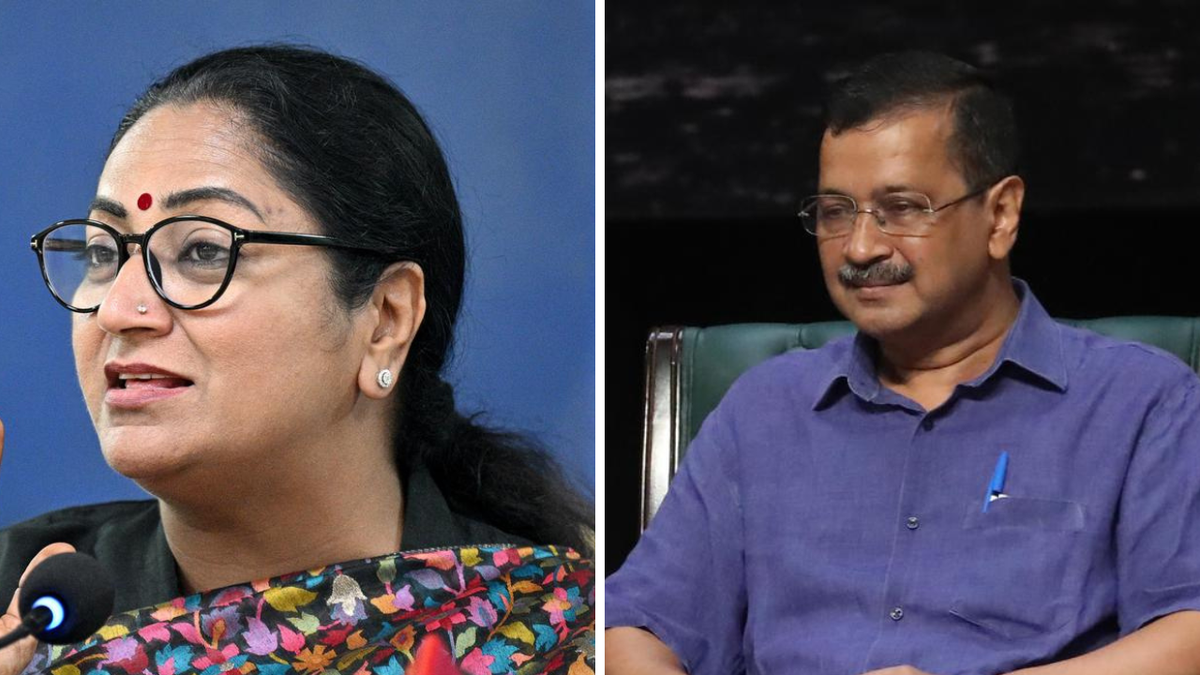
Delhi Chief Minister Faces Scrutiny Over Ongoing Notices

Former Union Minister Detained in Punjab Protest Against CM