Turkiye, Pakistan, Saudi Arabia Activate Defence Pact Against Houthi Threats


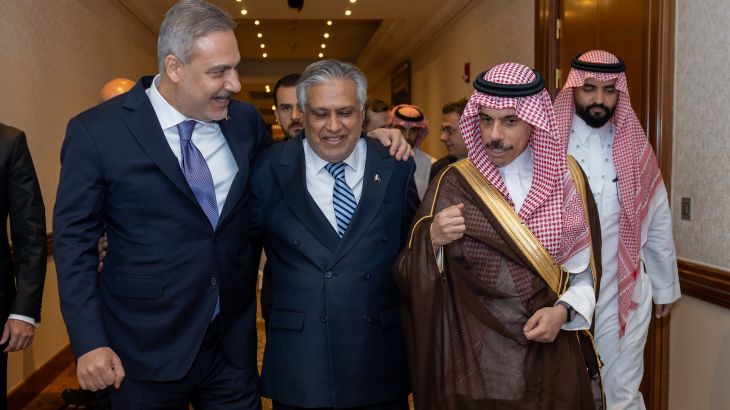
Turkiye, Pakistan, and Saudi Arabia have collectively agreed to implement deterrence measures in response to the increasing threats posed by Yemen’s Houthi movement. This decision arose from an urgent meeting of the defence and foreign ministers of the three nations held in Riyadh, signalling the first invocation of the Mecca Defence Alliance since its establishment on 7 August 2026.
The agreement stipulates that an assault on any member nation will be viewed as an attack on all, akin to NATO's foundational principle. Khalid bin Salman, the Minister of Defence of Saudi Arabia, confirmed via social media that the alliance has decided to activate collective deterrence measures to confront the 'heinous attacks' targeting the Kingdom and its sacred sites.
A joint statement from Pakistan’s Foreign Ministry emphasised the commitment of the three countries to ensure the swift deployment of military forces and capabilities to Saudi Arabia. These actions will be carried out under mutually accepted protocols and comply with each nation's legal frameworks.
This development comes shortly after Yemeni forces, backed by Saudi Arabia and aligned with the internationally recognised government, initiated a counteroffensive to reclaim territories previously seized by the Houthis. Reports indicate that these Yemeni forces have recaptured the port city of Mocha and now hold control over the strategically significant Bab al-Mandeb strait. The Saudi-led coalition has confirmed its involvement in this offensive, deploying 100 fighter jets for air support.
In recent attacks, the Houthis alleged to have targeted multiple sites within Saudi Arabia, including the King Khalid International Airport in Riyadh and an Aramco refinery in Rabigh. However, Riyadh has not publicly verified these claims.
The Mecca Defence Alliance was formed to address escalating conflicts within the region and represents a strategic realignment in light of the ongoing tensions following military actions by the United States and Israel against Iran. The defence pact was initiated just before the Houthis ramped up their military operations, including assaults on Saudi targets.
Collectively, the three countries boast approximately 1.4 million active service members, 3,400 military aircraft, 6,000 tanks, and over 340 naval vessels, according to the 2026 Global Firepower Index.
Despite previous hesitations, this latest development indicates a significant shift in the alliance's posture. Analysts had noted the reluctance of both Pakistan and Turkiye to abandon their roles as mediators within the intricacies of US-Israel relations pertaining to Iran. Abdulaziz Alghashian, a senior fellow at the Gulf International Forum, remarked that the urgency to activate the Mecca defence pact has been propelled by recent Houthi aggressions, which marked a turning point in regional security dynamics. He commented, 'This is critical in shaping security architecture in the region.'
The activation of the Mecca Defence Alliance not only signifies a military escalation but could also redefine regional geopolitical alliances and strategies. As the landscape continues to evolve, stakeholders will be closely monitoring developments in this significant geopolitical theatre.

Former TMC MP Koel Mallick Joins BJP After Rajya Sabha Nomination
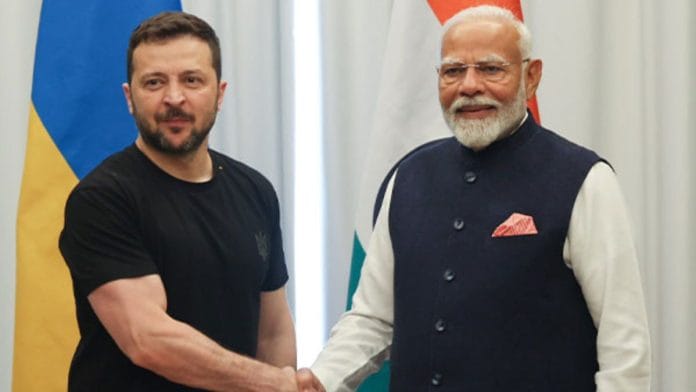
India's Role in Ukraine-Russia Peace Talks Gains Momentum
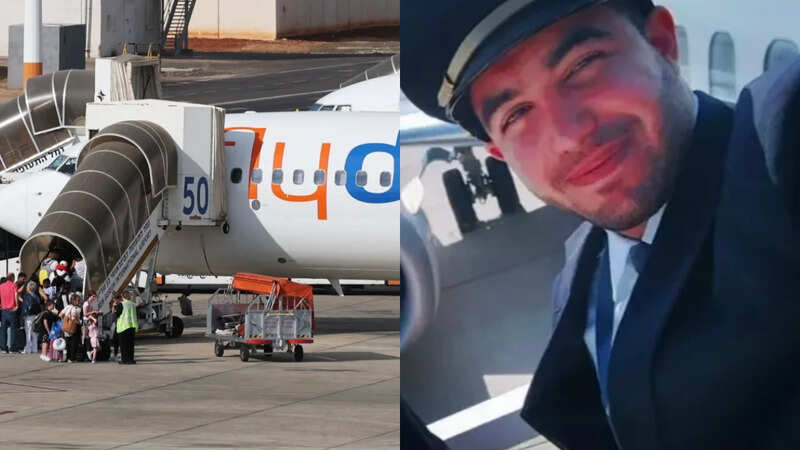
Omani Co-Pilot May Have Attempted to Hijack Flydubai Flight
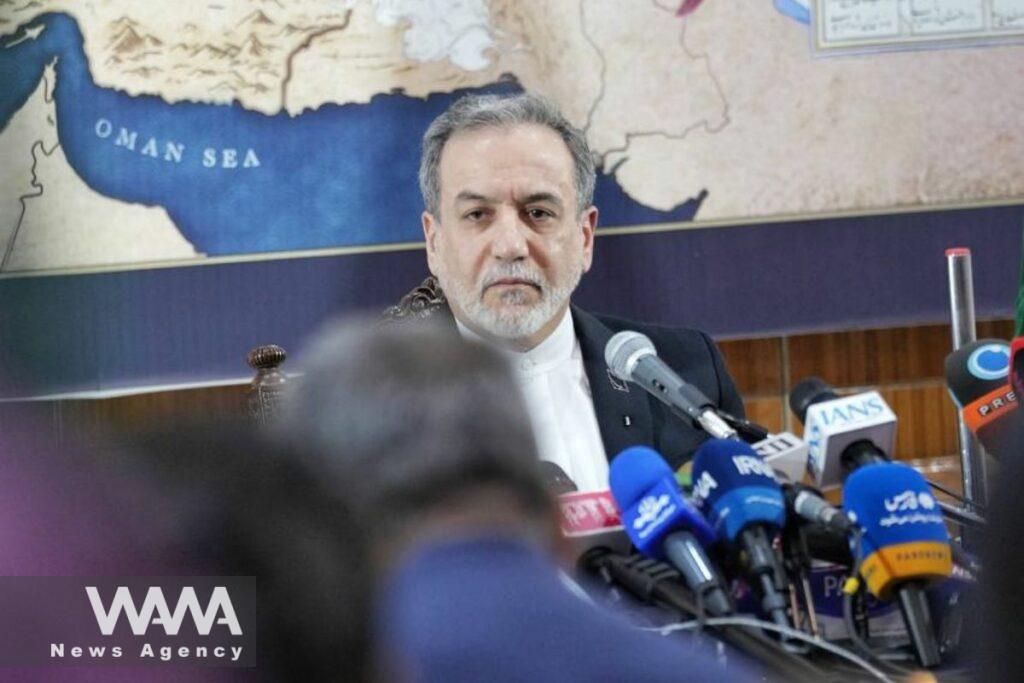
Iran's Foreign Minister Denies Reports of Diplomatic Expulsion