Trump's State of the Union Speech Leaves Iran Strategy Unclear


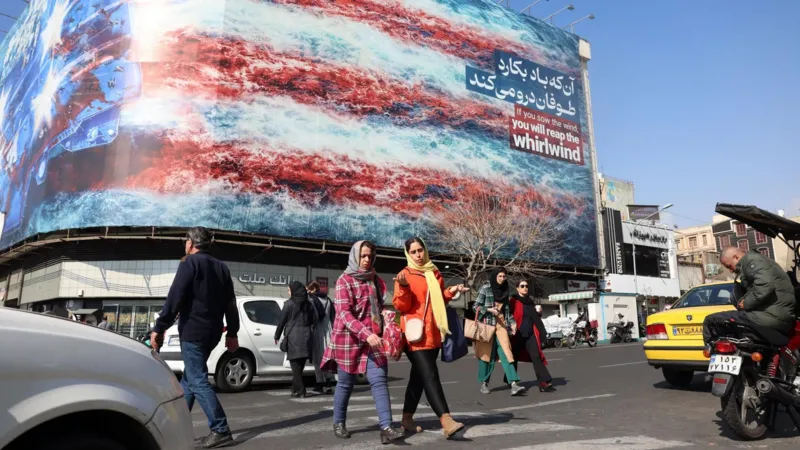
In a significant moment for international relations, US President Donald Trump delivered his longest-ever State of the Union address without addressing the escalating situation in Iran. Amidst heightened military presence in the Middle East, the president avoided outlining a definitive approach towards Tehran.
This marked a departure from the prelude to previous military actions, such as the 2003 US-led invasion of Iraq, where a clear case was made to the American public for intervention. Observers speculate that Trump’s decision to withhold specifics reflects his acknowledgement of domestic concerns among his supporters, primarily focused on economic stability and immigration issues as critical midterm elections approach.
Trump has consistently expressed a preference for diplomatic resolutions over military engagements. This sentiment aligns with his anticipation of an upcoming pivotal round of negotiations in Geneva, where US officials aim to gain a clearer understanding of Iran's intentions.
A diplomat familiar with the negotiations remarked, “If President Trump does not receive an acceptable text from Tehran, he’s likely to order some form of military action soon after.”
In his statement, Trump reiterated his demand for Iran to publicly renounce any ambitions to develop nuclear weapons, saying, "We haven't heard from them those secret words: 'We do not want nuclear weapons ever.'" Meanwhile, Iran's Foreign Minister Abbas Araghchi responded via social media, stating, "Iran will under no circumstances ever develop a nuclear weapon."
The dialogue between Washington and Tehran is further complicated by Iran's request for the lifting of sanctions that have severely impacted its economy. The unrest prompted by these economic pressures has been met with significant repression, as reported by the US-based Human Rights Activists News Agency, which has documented over 7,000 deaths during protests, contrasting sharply with the Iranian government's substantially lower figures.
In his speech, Trump suggested an exaggerated death toll from the protests in Iran, leading to immediate backlash from Iranian officials who dismissed his claims as misinformation.
Trump also highlighted growing concerns about Iran's missile capabilities, asserting that the regime is working on missiles able to reach the United States. Iran has previously rejected linking its missile programme to the negotiations, insisting on the necessity of a robust defence.
As negotiations continue, both parties are well aware that time is of the essence. According to Ellie Geranmayeh from the European Council on Foreign Relations, current talks differ markedly from previous attempts, especially given the significant US military build-up against Iran and the regime's ongoing internal and external pressures.
The next round of discussions, which includes notable US figures such as Trump’s senior adviser Jared Kushner, is set to clarify the remaining gaps in negotiations. Despite the complexities, there seems to be a mutual understanding about the urgent need to reach some form of agreement.
As the diplomatic process unfolds, critical questions remain: Will Trump opt for a limited agreement focused solely on Iran's nuclear activities, and to what extent will Iranian leaders be willing to compromise amidst escalating threats? The international community watches closely as these developments could have far-reaching implications for security in the Middle East and beyond.
Kerala Initiates Probe into 2006 Suicide Case Involving CEC
Extradition of Sheikh Hasina Feasible, Says Indian High Commissioner

Punjabi Makeup Artist Mad Sandhu Shot Dead in Amritsar
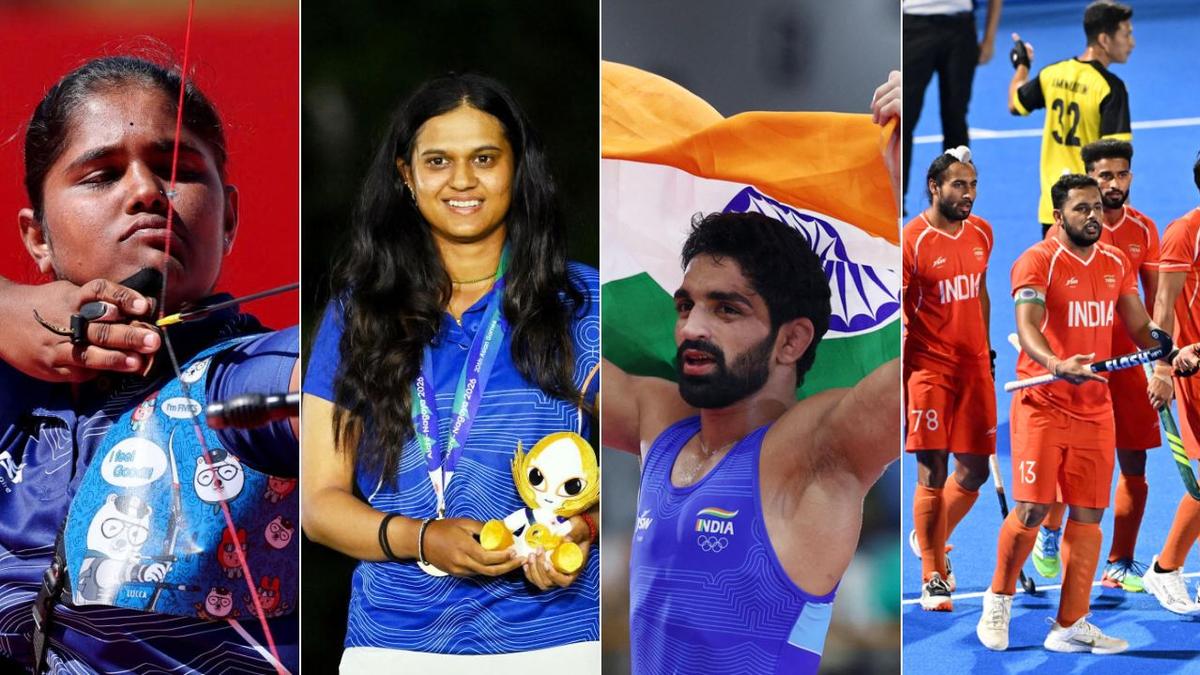
India Achieves Fourth Place at Asian Games 2026 Through Late Success