Supreme Court Blocks Trump Tariffs in Major Setback for US Trade Policy


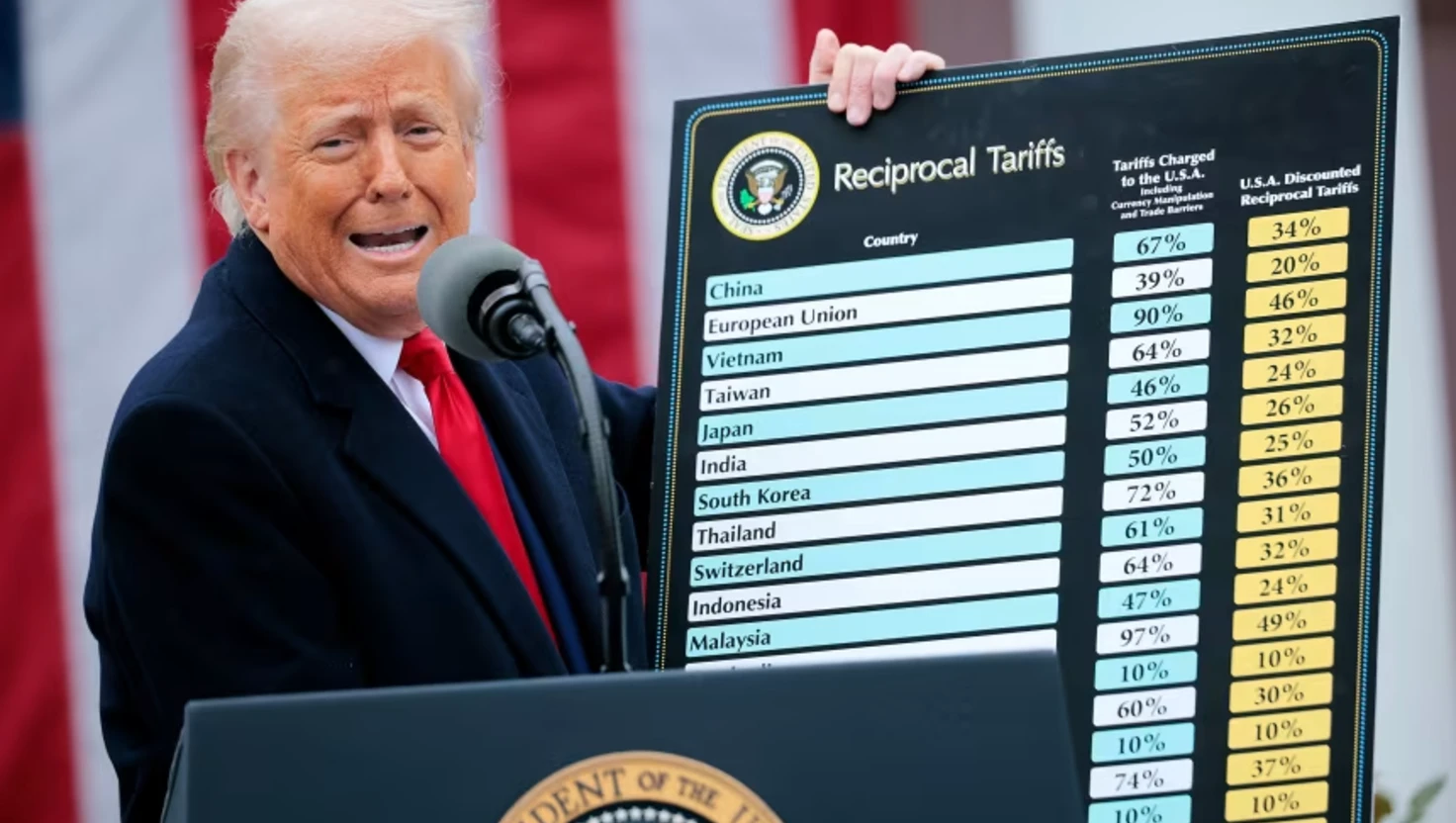
The ruling, delivered on Friday, centred on President Trump’s use of a decades-old emergency law to justify imposing tariffs on imports from countries including China, Canada, Mexico, India and Brazil. The measures raised duties as high as 50% on some trading partners and up to 145% on Chinese goods during 2025.
Writing for the majority, Chief Justice John Roberts said the president had claimed an “extraordinary power” to impose tariffs without clear limits or duration, but had failed to identify explicit authorisation from Congress. “When Congress grants the power to impose tariffs, it does so clearly and with careful constraints,” he wrote, adding that such clarity was absent in this case.
The court examined the International Emergency Economic Powers Act, a law passed in the late 1970s and historically used to impose sanctions rather than taxes on imports. While the statute allows a president to regulate imports during a national emergency, the justices concluded that regulation does not naturally include the authority to levy tariffs.
Chief Justice Roberts stressed that the court was not weighing in on economic policy. “We claim no special competence in matters of economics or foreign affairs,” he wrote. “We claim only the limited role assigned to us by the Constitution.”
The ruling immediately invalidates the emergency tariffs, but leaves unresolved what should happen to the money already collected. According to US Customs and Border Protection data, more than 130 billion dollars has been paid by over 300,000 importers since the measures were introduced.
The court declined to give guidance on refunds, noting that the issue would need to be addressed by lower courts. In a dissenting opinion, Justice Brett Kavanaugh warned that the repayment process could be chaotic, writing that it was likely to be “a mess”.
Justice Kavanaugh, joined by Justices Clarence Thomas and Samuel Alito, argued that tariffs have long been used by presidents to regulate trade and that the law permitted such action. He said the tariffs “may or may not be wise policy”, but were lawful under existing statutes.
President Trump reacted angrily to the decision, calling it “a disgrace” during remarks at the White House, according to officials familiar with his comments. His administration had warned the court that striking down the tariffs would harm national security, foreign policy and the economy.
The White House also argued that tariffs were essential to reducing trade deficits and rebuilding domestic manufacturing. Officials claimed the measures would raise more than two trillion dollars over the next decade, though critics said they increased costs for consumers and businesses.
Financial markets responded positively to the ruling. Major US stock indices rose after early losses, with gains led by retailers and manufacturers that had been hit by higher import costs. Analysts said investors welcomed the removal of at least one source of policy uncertainty, even as questions remain about future trade actions.
Business groups broadly praised the decision, particularly small and medium-sized firms that said the tariffs forced them to take out loans, delay expansion and freeze hiring. An advocacy group representing importers called the ruling a major victory for companies that had been “bearing the crushing weight” of higher duties.
However, foreign trade bodies reacted cautiously. Representatives from Canada and the United Kingdom noted that while the judgment limits emergency tariff powers, it does not prevent the US administration from imposing duties using other legal routes, including national security provisions.
Context
The case is one of the most significant trade and economic disputes to reach the Supreme Court in recent years and highlights ongoing tensions over presidential power. The court has previously blocked major executive actions by former President Joe Biden, ruling that Congress must speak clearly when delegating authority on issues with major economic or political consequences.
Legal experts say the decision reinforces limits on unilateral executive action while underscoring Congress’s central role in setting tax and trade policy. At the same time, uncertainty remains for businesses awaiting clarity on refunds and for trading partners watching how the United States may reshape its tariff strategy in the months ahead.
Kerala Initiates Probe into 2006 Suicide Case Involving CEC

Extradition of Sheikh Hasina Feasible, Says Indian High Commissioner

Punjabi Makeup Artist Mad Sandhu Shot Dead in Amritsar

India Achieves Fourth Place at Asian Games 2026 Through Late Success