Ten convicted in Paris cyber-bullying case targeting Brigitte Macron


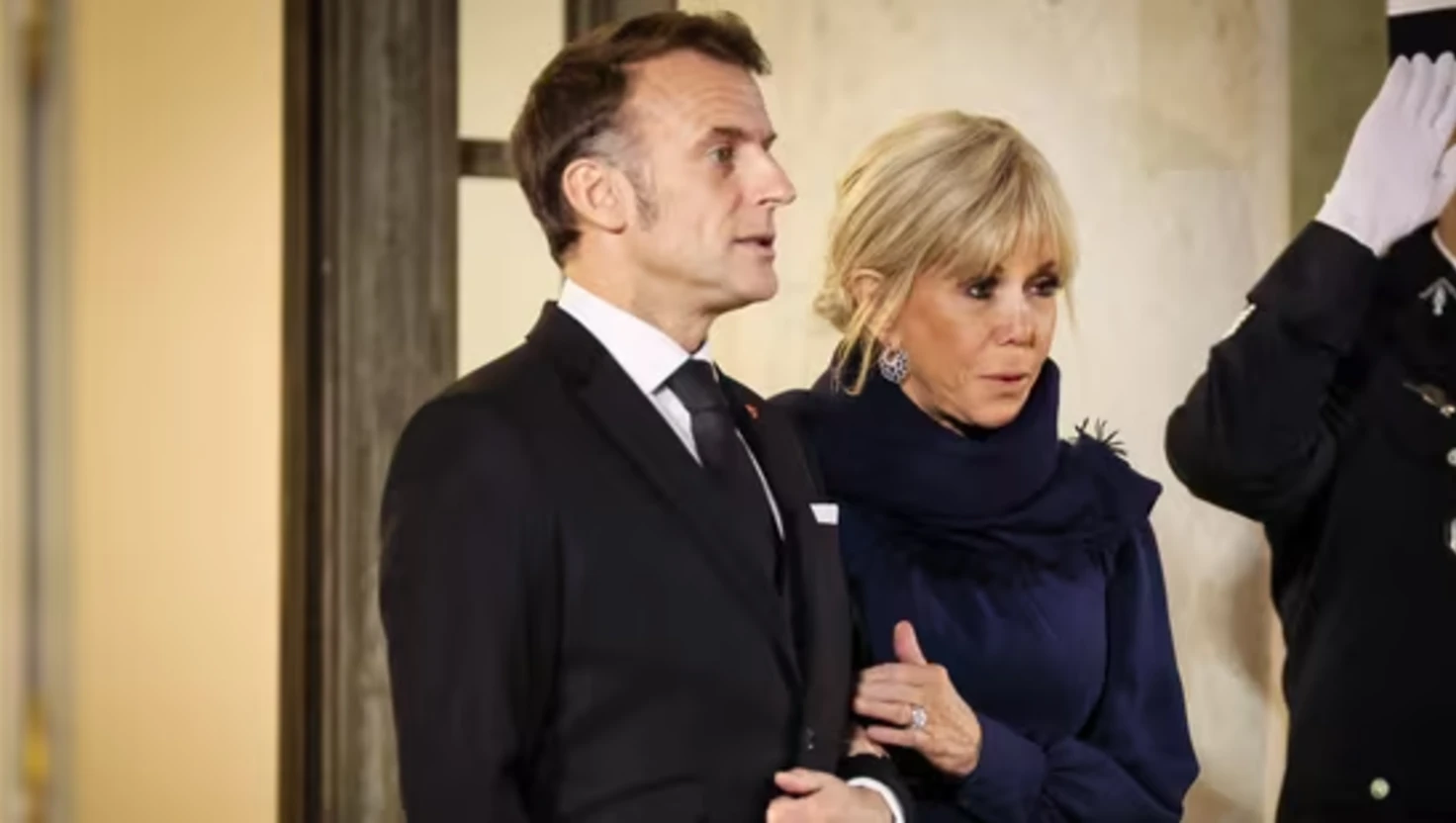
The ruling, delivered on Monday, marks a significant legal decision in France’s efforts to address online abuse and misinformation targeting public figures. The court concluded that the defendants had deliberately sought to harm Brigitte Macron through repeated and degrading comments circulated on social media platforms.
The ten defendants, eight men and two women aged between their early forties and late fifties, were convicted of posting or reposting content that falsely claimed the French first lady was born male or had changed gender. Some of the comments also mocked the 24-year age difference between her and President Emmanuel Macron, with several posts portraying the relationship in abusive or sexualised terms.
Judges handed down sentences ranging from mandatory awareness courses on online harassment to suspended prison terms of up to eight months. One defendant, who failed to attend court hearings, received an immediate custodial sentence of six months. Several of those convicted were also barred from using the social media platforms on which the abusive content had been published.
In delivering the verdict, the court said the group had acted with a “clear intention to do harm”, describing the remarks directed at Brigitte Macron as insulting, degrading and sustained over time. The judges noted that the cumulative effect of repeated online attacks had significantly exceeded the threshold of lawful expression or criticism.
Jean Ennochi, the lawyer representing Brigitte Macron, welcomed the decision, emphasising its preventative impact. “The most important measures are the awareness courses and the suspension of certain accounts,” he said after the ruling, according to the Agence France-Presse news agency. He added that the judgment sent a strong signal about accountability for online behaviour.
The trial also revisited earlier legal proceedings involving two of the defendants, self-described independent journalist Natacha Rey and online fortune-teller Amandine Roy. In 2024, both were convicted of slander for promoting claims that Brigitte Macron had never existed and was in fact her brother, Jean-Michel Trogneux, allegedly living under a different identity. That conviction was later overturned on appeal, with judges ruling that asserting someone had changed gender did not automatically constitute an attack on honour under French law.
The Macrons have since challenged that appeal ruling and are now seeking a final judgment from France’s highest court. Legal experts say the case highlights the evolving tension between freedom of expression and protections against targeted harassment in the digital age.
During the Paris trial, the court heard testimony from Brigitte Macron’s daughter, Tiphaine Auzière, a lawyer from her mother’s previous marriage. She told judges that the prolonged online abuse had damaged her mother’s health and day-to-day life, forcing her to constantly consider how her appearance and posture might be scrutinised or misrepresented online.
“She knows perfectly well that her image will be used to support these theories,” Auzière said, according to court records. While she told the court her mother had learned to cope with the attacks, she said the impact on her grandchildren had been particularly painful, with children being taunted at school over the false claims.
The Paris ruling comes as part of a broader international legal effort by the presidential couple to challenge conspiracy theories circulating online. In the United States, the Macrons have filed a defamation lawsuit against right-wing influencer and podcaster Candace Owens, accusing her of repeatedly amplifying claims about Brigitte Macron’s gender despite what they describe as overwhelming evidence disproving them.
According to the US legal filing, Owens “disregarded all credible evidence” and instead promoted the views of conspiracy theorists and individuals previously found to have spread false information. Owens has repeated the allegations on her podcast and social media channels and stated publicly in 2024 that she would stake her professional reputation on the claims.
The French presidential couple had initially been advised to ignore the online rumours, out of concern that legal action would further amplify them. However, advisers later concluded that the scale and persistence of the abuse made silence untenable.
Context
Conspiracy theories about Brigitte Macron’s gender have circulated online since Emmanuel Macron first won the presidency in 2017, often intersecting with commentary on the couple’s unconventional personal history. Brigitte Macron first met her future husband when she was a teacher at his secondary school in Amiens, in northern France. They married in 2007, when Emmanuel Macron was 29 and she was in her mid-fifties.
French authorities and legal experts say the case underscores growing concerns about the impact of online harassment on democratic life and the personal safety of public figures. The verdict is expected to influence future prosecutions involving digital abuse, particularly as governments across Europe seek stronger tools to counter misinformation and cyber-bullying on social media platforms.

Kerala Initiates Probe into 2006 Suicide Case Involving CEC

Extradition of Sheikh Hasina Feasible, Says Indian High Commissioner

Punjabi Makeup Artist Mad Sandhu Shot Dead in Amritsar

India Achieves Fourth Place at Asian Games 2026 Through Late Success