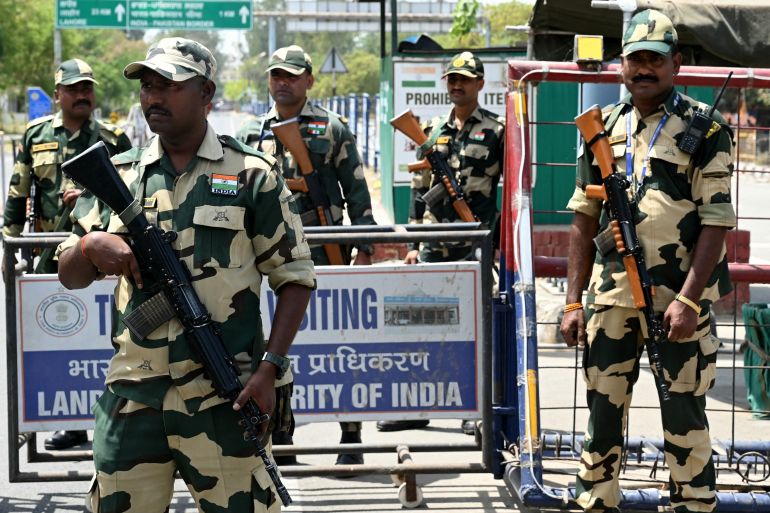
Trump threatens higher tariffs on India over Russian oil purchases


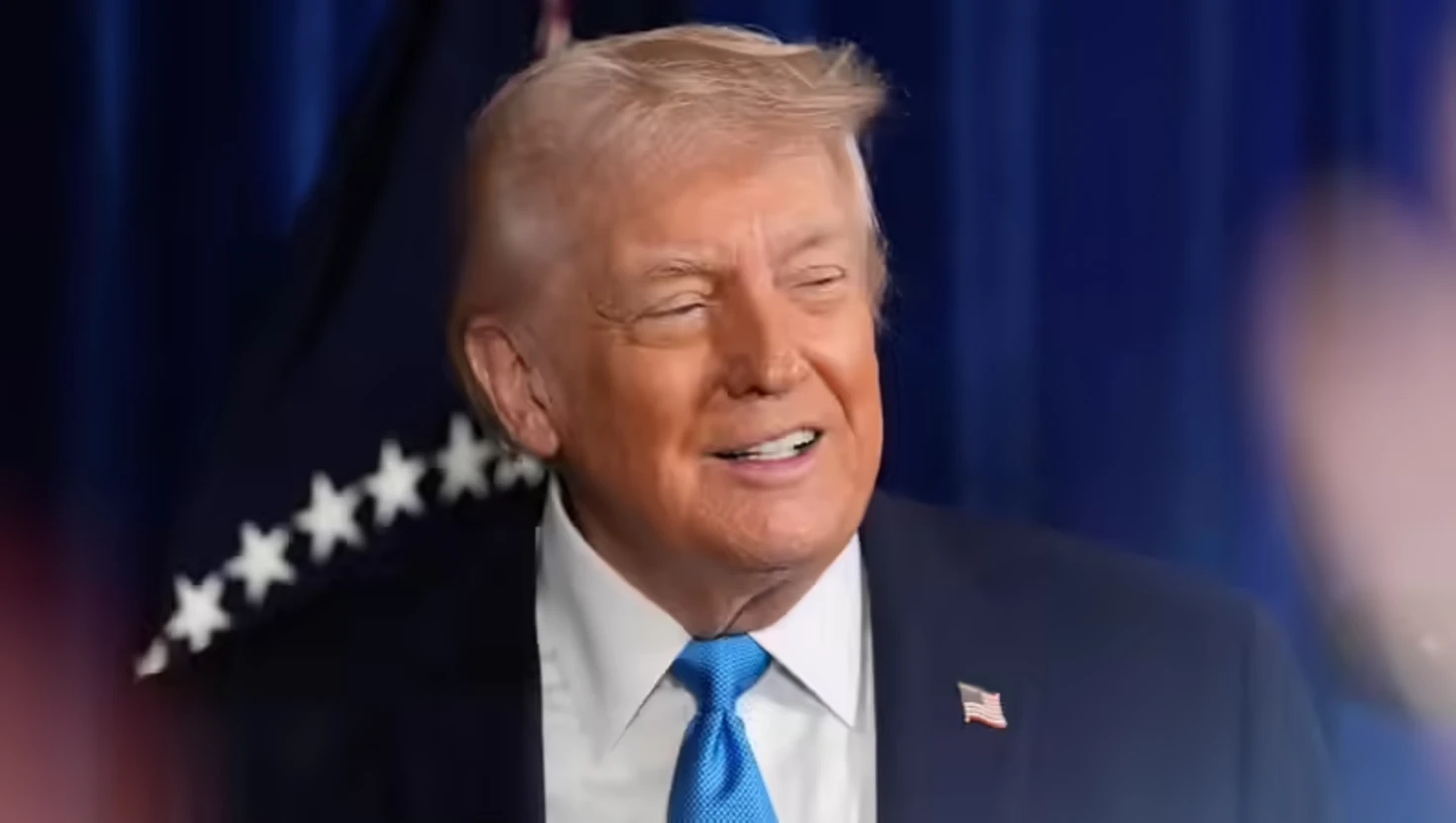
Speaking to reporters aboard Air Force One, President Trump said India had taken steps to “make me happy” by scaling back imports of discounted Russian crude, which the United States argues is helping finance Moscow’s war in Ukraine. He added that tariffs could be raised “very quickly” if Washington is dissatisfied with India’s actions.
Trump made the remarks as Republican Senator Lindsey Graham outlined how the threat of tariffs is being used by the United States to pressure countries to reduce energy trade with Russia. Graham said this approach was intended to cut off a key source of revenue for Moscow as the conflict in Ukraine continues.
“They wanted to make me happy, basically,” Trump said, referring to India. He described Indian Prime Minister Narendra Modi as “a very good man” and suggested that New Delhi understood the consequences of failing to meet Washington’s expectations. Trump said tariffs remained a central tool in US trade negotiations.
Senator Graham claimed that he had discussed the issue directly with India’s ambassador to the United States during a private meeting last month. According to Graham, the ambassador emphasised that India was already buying less Russian oil and asked him to convey this message to the White House in the hope of easing trade penalties.
“All he wanted to talk about was how they’re buying less Russian oil,” Graham said. He added that the ambassador urged him to request that the president reconsider tariffs imposed on Indian goods, arguing that the pressure was having its intended effect.
Graham is the leading sponsor of proposed legislation known as the Sanctioning Russia Act of 2025. The bill would give the US president broad powers to impose secondary tariffs of up to 500 percent on imports from countries that continue purchasing Russian oil. The legislation includes a waiver clause allowing the president to decide whether or not to apply the tariffs, significantly expanding executive authority over trade measures.
The senator said the bill now has the backing of 85 co-sponsors and could move forward in the Senate, which resumed its session this week. He has repeatedly named India, China and Brazil as major targets, arguing that together they account for roughly 70 percent of Russia’s oil exports.
The comments come as the US Supreme Court is expected to rule this month on a legal challenge to the Trump administration’s use of emergency powers to impose wide-ranging tariffs. The case questions whether the president can rely on the International Emergency Economic Powers Act to justify country-level trade duties.
For now, the status of the existing US tariffs on India remains unclear. Indian goods are currently subject to a combined tariff rate of 50 percent, including a 25 percent reciprocal duty and an additional 25 percent levy linked to India’s purchases of Russian oil. While Trump suggested that India is making progress, US officials have indicated that the tariffs may stay in place pending both the court ruling and further reductions in Russian oil imports.
Industry estimates suggest that India’s Russian oil imports fell sharply in December to about 1.2 million barrels per day, the lowest level in three years. This represents a drop of around 40 percent from peak levels recorded in mid-2025. Analysts expect imports to fall below one million barrels per day in early 2026, a level last seen during the initial phase of the Ukraine conflict.
At the same time, India has increased its purchases of oil from the United States. Indian authorities have also instructed domestic refiners to submit weekly disclosures of their crude oil imports from both Russia and the US, a move widely seen as linked to ongoing trade negotiations with Washington.
India’s Ministry of External Affairs and its embassy in Washington have not publicly commented on the remarks by Trump and Graham. New Delhi has consistently stated that its energy policy is guided by the need to ensure affordable prices and secure supplies for its population.
In November, Trump said that US tariffs on India would be reduced “at some point” and claimed that New Delhi had already cut back significantly on Russian oil purchases. However, Indian media reports have noted fluctuations in monthly import volumes, reflecting the complexity of global energy markets.
Context
The dispute highlights the growing use of trade policy as a geopolitical tool amid the war in Ukraine. For India, balancing relations with the United States, Russia and domestic economic priorities remains a delicate task. The outcome of the US court ruling and the fate of proposed sanctions legislation could shape not only US-India trade relations but also broader efforts to limit Russia’s energy revenues.
Kerala Initiates Probe into 2006 Suicide Case Involving CEC
Extradition of Sheikh Hasina Feasible, Says Indian High Commissioner

Punjabi Makeup Artist Mad Sandhu Shot Dead in Amritsar
India Achieves Fourth Place at Asian Games 2026 Through Late Success