IndiGo Flight Cancellations Spark National Outcry in India


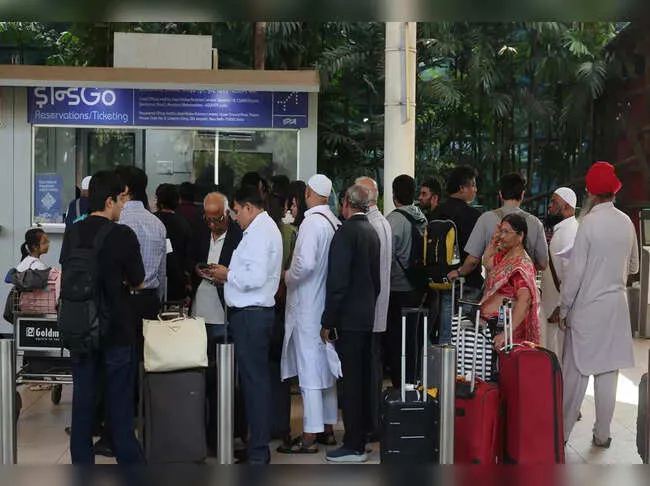
In December 2025, airports across India became scenes of chaos as IndiGo, the country's largest airline, cancelled over a thousand flights in a single day. Passengers found themselves stranded on marble floors, staring at departure boards that had ceased to provide any meaningful information. Videos shared on social media depicted frustrated travellers shouting at airline staff, who appeared overwhelmed and disengaged. Families camped out under airport lights, forced to endure a situation that many felt was a failure of the infrastructure promised to them.
The official explanation for the cancellations revolved around new flight duty time limitations, known as FDTL, intended to ensure pilots are not overworked. These regulations, which limit night landings and require significant rest periods, were not designed to cause widespread disruption. However, the failure to adequately prepare for their implementation raised questions about IndiGo's management and commitment to operational reliability.
IndiGo referred to the situation as a "reboot," a term often used in corporate environments to mask operational failures as necessary adjustments. Following public outcry, the Directorate General of Civil Aviation (DGCA) granted the airline a temporary exemption from certain regulations until February 2026. This regulatory rollback has led some to accuse IndiGo of exploiting its dominant market position to evade accountability, a sentiment echoed in various media reports.
The impact of these cancellations has been particularly notable among the urban elite. The demographic that frequently uses air travel in India represents a small fraction of the population—less than 5%—yet their experiences are often amplified in public discourse. The recent events highlight a troubling reality: when disruptions affect affluent individuals, they are treated as crises, while the daily struggles of the majority go largely unnoticed.
Aviation in India caters predominantly to a privileged class, often overlooking the vast majority who remain disconnected from air travel. This disparity in access to reliable transport reflects broader societal inequities, where the top 10% of the population holds 77% of the country's wealth, leaving the bottom 60% with less than 5%.
The recent turmoil has brought to light the fragility of India's aviation infrastructure, with many questioning how a system designed for efficiency and safety could collapse so dramatically. Observers have drawn parallels with the disruptions experienced during the COVID-19 pandemic, when the privileged suddenly faced the vulnerabilities typically endured by the majority.
In a similar vein, the DGCA's response to the crisis has raised eyebrows. Following the disruptions, the agency formed a panel of flight operations inspectors to oversee IndiGo's operations, revealing weaknesses in the airline's operational control centre. Reports have indicated that regulatory officials are scrutinising top management personnel within IndiGo, suggesting accountability measures may be forthcoming.
As the DGCA works to stabilise the situation, other airlines are looking to capitalise on the void left by IndiGo's capacity cuts. Air India has announced plans to increase operations, while Akasa Air is seeking clarity on the duration of IndiGo's operational disruptions to inform its own scheduling decisions.
Despite the immediate concerns surrounding IndiGo, the broader implications of this crisis extend beyond the airline itself. It serves as a reminder of the systemic inadequacies that persist within India's infrastructure, where the experiences of a privileged few are often prioritised over the needs of the many. The question remains whether this incident will prompt meaningful changes in how aviation and other essential services are managed in India, or if it will simply reinforce existing hierarchies in society.
As the aviation sector grapples with these challenges, many are left waiting—much like the passengers at the airports—hoping for a resolution that addresses not only the symptoms of the crisis but also its underlying causes.
Chinese President Xi Jinping Begins State Visit to Washington
Jaishankar Discusses US Tariff Concerns with Secretary Rubio
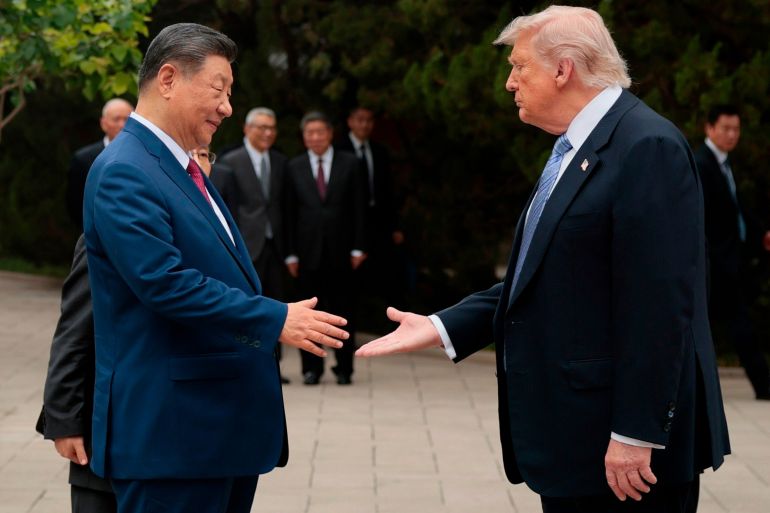
US and China Leaders Discuss AI Rivalry Amid Global Concerns
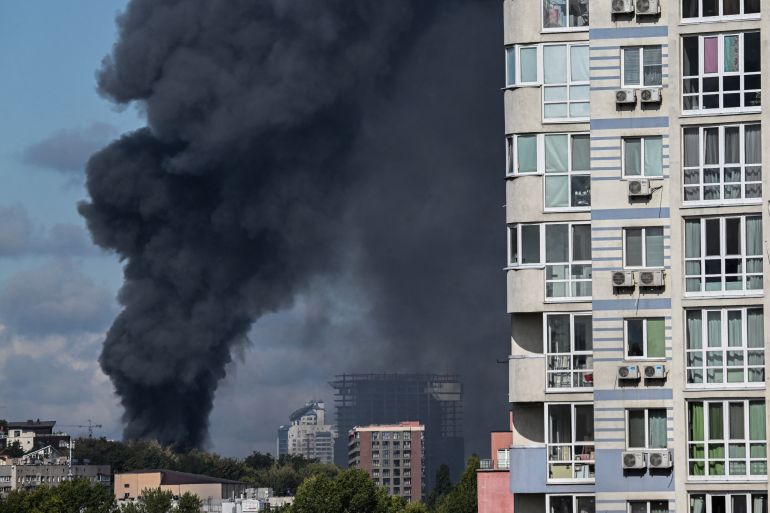
Russian Drone Strikes Kyiv, Donetsk Following Zelenskyy-Trump Talks