Taiwan Receives New F-16 Fighters: Strategic Implications


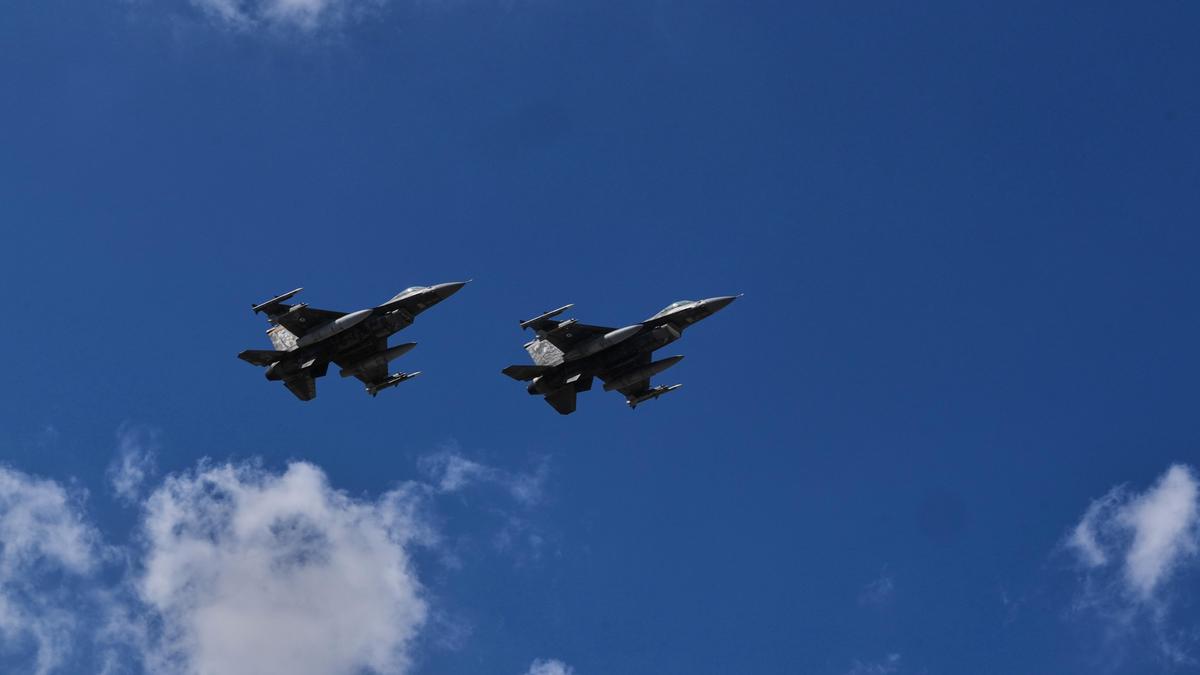
The arrival of 66 new F-16C/D Block 70 aircraft marks a significant milestone for the Republic of China Air Force (ROCAF). This development comes after a lengthy wait of around 20 years, plagued by production delays and political considerations. The United States first approved the sale in 2019 during the presidency of Donald Trump, following earlier rejections from previous administrations.
The context for Taiwan's pursuit of advanced fighter jets dates back several decades, primarily driven by concerns over its aging combat aircraft fleet. During the 1970s, the island was facing obsolescence with its F-100 and F-104 fighter jets. Initial attempts to secure modern F-16s were unsuccessful; U.S. administrations denied requests due to shifting diplomatic relationships, particularly following the U.S.-China rapprochement in the late 1970s.
Taiwan’s predicament became increasingly complex as the U.S. reassessed its arms sales policy. Particularly during the Reagan administration, various requests were either dismissed or limited to less capable aircraft. Only in September 1992 did Taiwan achieve a breakthrough when U.S. President George W. Bush approved the sale of 150 F-16A/B fighters amid concerns over regional security, exacerbated by China's acquisition of Russian aircraft.
After this advance, arms sales continued but were often stalled by Taiwan's changing defence priorities, concerns regarding cross-Strait stability, and broader U.S.-China relations. In the 2000s, as Taiwan sought further F-16s, the Obama administration facilitated significant upgrades to existing aircraft rather than new acquisitions.
The prevailing sentiment among Taiwanese defence officials highlighted a shift in strategy. A need for increased survivability and alternative aircraft, such as the F-35B with short-takeoff-and-landing capabilities, emerged as long-term goals. However, recent geopolitical developments have reignited focus on new F-16s.
Taiwanese defence strategies have also evolved, particularly under the concept known as “Hard ROC,” which emphasises hardening military assets and ensuring deterrence against China. The 2017 Overall Defense Concept, introduced by Admiral Lee Hsi-ming, highlighted asymmetric warfare strategies and better resource preservation.
While the introduction of these F-16s marks a tactical enhancement for Taiwan, their operational effectiveness remains under scrutiny. Key questions include whether Taiwan's air bases can withstand potential strikes from the People’s Liberation Army (PLA), given the modern precision warfare capabilities available to it. Moreover, experts are considering how well the new jets will adapt to maintain air superiority in a potential conflict scenario.
As Taiwan integrates these advanced fighter jets into its military operations, the international community will closely observe how this affects regional stability and the ongoing U.S.-China relations. The delivery of the F-16s signifies Taiwan's ongoing commitment to enhancing its defence capabilities, amid heightened tensions with the mainland.
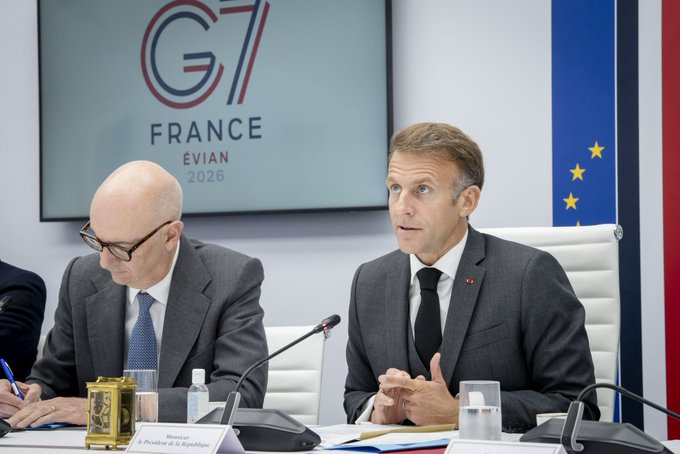
G7 Nations to Release 100 Million Barrels of Oil Amid Price Surge

Ajay Rai Responds to Replacement as UP Congress Chief

Violent Student Protests Erupt Across France Amid Tensions
Global Markets React to Central Bank Interest Rate Decisions