Taiwan Coast Guard in Standoff with Chinese Ships Amid Maritime Tensions


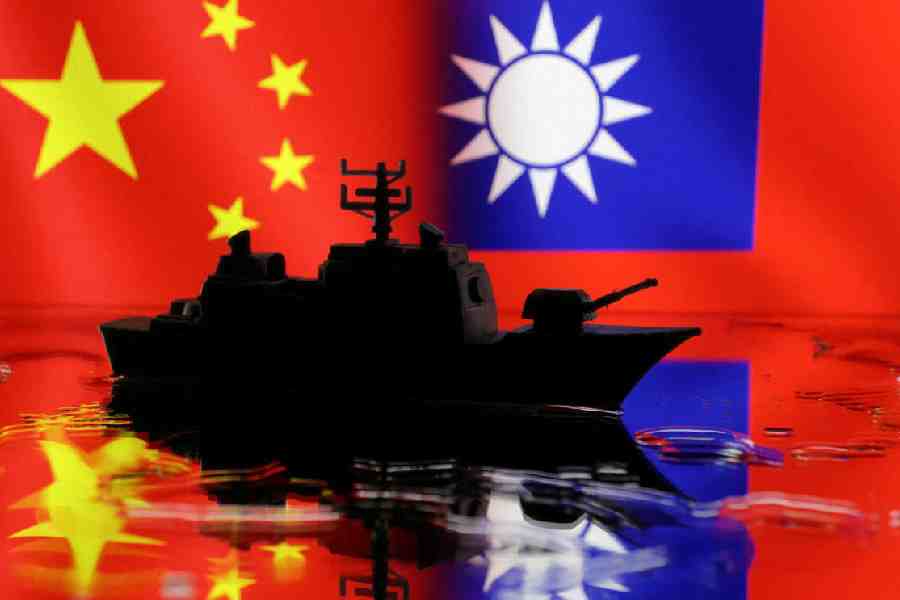
Taipei has reported a tense maritime standoff as its coast guard engages with Chinese ships in the waters southeast of Taiwan. This situation arose following a Chinese operation that Beijing's state media described as a law enforcement action associated with recent discussions between Japan and the Philippines regarding maritime borders.
On June 7, 2026, Taiwan's coast guard stated that its vessels had 'expelled' four Chinese ships from waters deemed restricted, engaging in a face-off approximately 33 nautical miles (61 kilometres) southeast of the island's southernmost tip. The coast guard noted that vessels from both sides remain in a state of standoff.
In a statement, the Taiwanese coast guard condemned China's use of the Japan-Philippines negotiations as a rationale to assert its 'jurisdiction' over the disputed waters. This assertion reflects China's long-standing position that Taiwan is considered part of its territory, a claim that Taiwan vehemently rejects.
The operation initiated by Beijing on June 6 was conducted by the Maritime Police, organised by the Transport Ministry, from the coastal provinces of Fujian and Guangdong. Official reports did not specify the duration of this operation or the total number of vessels involved.
State news agency Xinhua indicated that the maritime law enforcement initiative was a necessary response to what China termed the unilateral declaration by Japan and the Philippines concerning their negotiations on establishing a maritime boundary. The agency underlined that these discussions were seen as provocative by Beijing.
In the context of these heightened tensions, Taiwan has reiterated its desire for consultation in any discussions involving maritime boundaries that affect its interests, particularly as negotiations between Manila and Tokyo develop.
Japan and the Philippines have been strengthening their maritime cooperation in recent years amid shared concerns over China's increasingly assertive claims in territorial waters. Both nations' coast guards are frequently involved in confrontations in the East China Sea, while Beijing's military presence has also been notable in the South China Sea, often confronting Philippine vessels in strategically vital areas.
The situation continues to evolve, with regional security dynamics influenced heavily by these territorial disputes. As tensions simmer, the involvement of local coast guard forces reflects the broader geopolitical implications in the region.

Kerala Initiates Probe into 2006 Suicide Case Involving CEC

Extradition of Sheikh Hasina Feasible, Says Indian High Commissioner

Punjabi Makeup Artist Mad Sandhu Shot Dead in Amritsar

India Achieves Fourth Place at Asian Games 2026 Through Late Success