Surge in Attacks on Healthcare Facilities Raises Legal Concerns


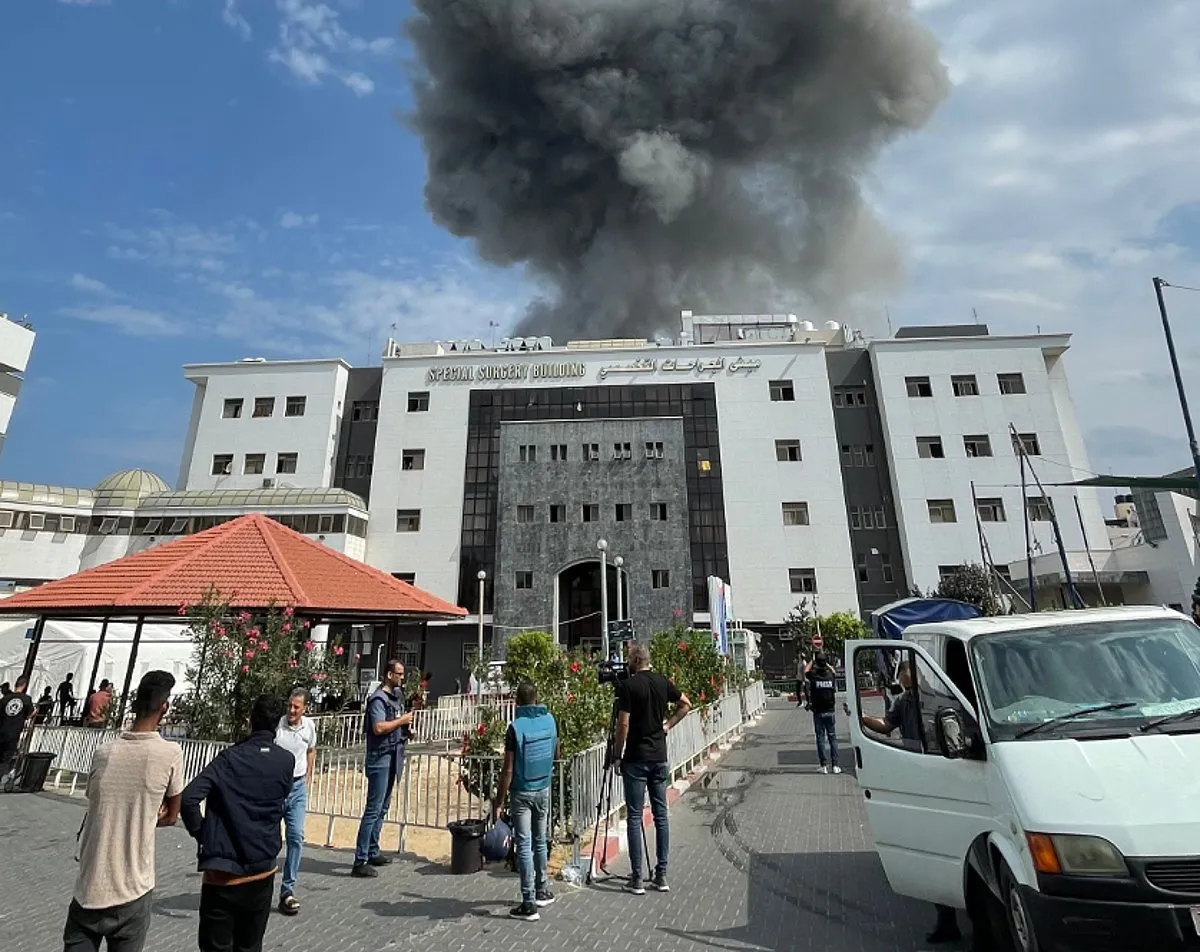
The World Health Organization (WHO) and the United Nations Human Rights Office have reported a troubling increase in attacks on healthcare facilities worldwide, coinciding with escalating conflicts. International humanitarian law is designed to safeguard hospitals, their staff, and patients, with violations potentially constituting war crimes.
Recent incidents highlight the severity of this issue. In Kabul, Afghanistan, at least 400 people were reportedly killed in a Pakistani airstrike on a drug rehabilitation hospital, which Pakistan insists targeted military infrastructure rather than the healthcare facility itself. In a statement posted on X, the Pakistani Information and Broadcasting Ministry claimed the airstrikes aimed at military installations linked to the Afghan Taliban.
Similarly, on March 14, an Israeli airstrike struck a healthcare facility in Lebanon, resulting in the deaths of 12 medical personnel, bringing the total fatalities among healthcare workers to 31 within just a few days. The WHO has confirmed 27 documented attacks on healthcare facilities in Lebanon during the early part of March alone, amid the increasing military operations in the region.
The Office of the High Commissioner for Human Rights (OHCHR) and the WHO have condemned these actions, calling them clear violations of international law. The question arises: under what circumstances do medical facilities lose their protection during armed conflict?
International humanitarian law strictly outlines the protections afforded to medical staff and facilities. These include ensuring that medical personnel, such as doctors and nurses, are respected and shielded while performing their duties. Ambulances and any transport used solely for medical purposes are similarly protected under these laws.
The suffering experienced during conflicts in the 19th and 20th centuries propelled the establishment of protections for medical services. The original Geneva Convention, adopted in 1864, laid the groundwork for these legal frameworks, which have since evolved into the 1949 Geneva Conventions and their Additional Protocols.
An alarming trend noted by Médecins Sans Frontières (MSF) reveals that attacks on medical facilities have reached unprecedented levels. The organisation documented 1,348 such attacks in 2025, marking a twofold increase from the previous year. While the legal standards remain established, the context of warfare has transformed dramatically.
Recent conflicts, especially in densely populated urban areas, present a complex battlefield where armed groups operate near hospitals and clinics. This circumstance has allowed some parties in conflict to justify attacks under claims of military necessity, arguing that insurgents exploit these facilities for military gain.
Regarding the status of hospitals, international law does stipulate that if they are misused for military purposes, they can lose their protective status. However, the bar for proving such misuse is set very high. Binding protections still apply, even with the presence of wounded combatants receiving treatment.
Examples of activities that could endanger a hospital's protected status include using it to launch attacks, serve as an observation point, store weapons, or shelter combatants capable of fighting. Yet, if any doubt exists about a facility's misuse, it must be presumed protected.
Should a warring party suspect a healthcare facility is being exploited, international humanitarian law mandates that a warning is issued, followed by a reasonable period for the misuse to cease before any attack is permitted. Even then, adherence to principles of proportionality and precaution is required. The potential military advantage must be carefully balanced against possible humanitarian consequences, including the long-term impact on healthcare services.
As the UN Security Council, WHO, MSF, and OHCHR have warned, the normalisation of attacks on healthcare facilities, coupled with a lack of accountability for such breaches, poses a severe threat. Legal frameworks intending to protect medical services are already in place; however, their enforcement remains a significant challenge.
Various national legal systems are expected to pursue investigations and prosecutions of individuals committing war crimes against medical workers and facilities. Yet, the complexities of conflict hinder such actions, often leaving investigations to organisations like Forensic Architecture, Bellingcat, Mnemonics, and Airwars, which use open-source data to gather evidence of violations during active conflicts.
India to Supply Nepal with Daily Electricity After Flood Damage
US Space Force confirms weapons deployed in space orbit

Maruti Suzuki Exports One Lakh Units of Jimny and Fronx to Japan
China's Foreign Minister Urges Strengthening International Ties
