Supreme Court to Hear Pleas on Delhi Protest Crackdown and ECI SIR


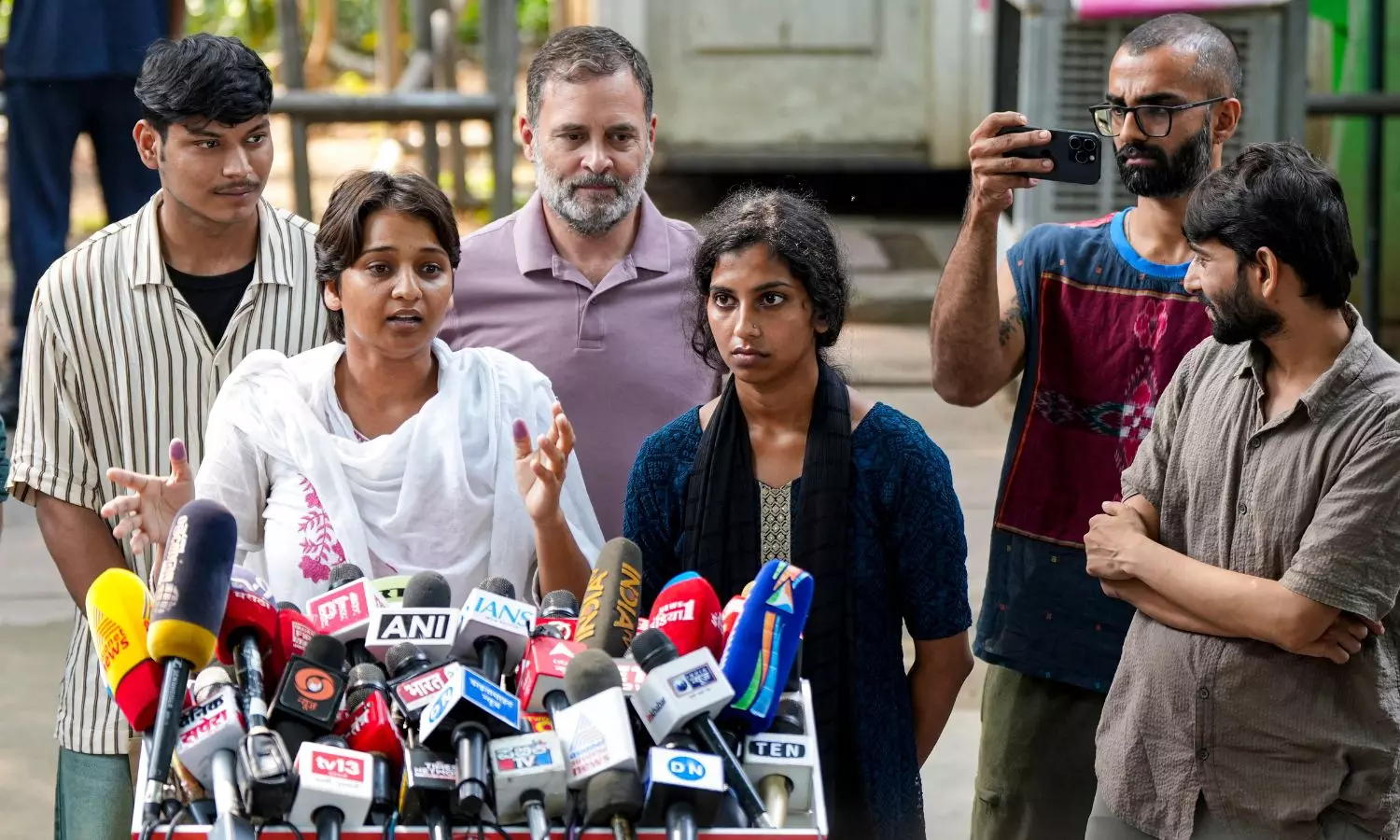
On 14 October 2026, the Supreme Court of India is set to hear various petitions concerning the recent protests in Delhi against Chief Election Commissioner Gyanesh Kumar. The cases include allegations of excessive police force against protesters, journalists, and legal professionals. Additionally, there are claims of restrictions on public transport and a challenge to a provision within the Bharatiya Nagarik Suraksha Sanhita (BNSS).
Among the petitions is one from Rahul Gandhi, which contests the Special Intensive Revision (SIR) of electoral rolls. This hearing comes in the wake of a significant protest that occurred on 10 October 2026, when Gandhi and other leaders from the opposition coalition, referred to as the INDIA bloc, marched towards the Supreme Court Registry to challenge the Election Commission's SIR exercise.
The Supreme Court has scheduled the hearings for today at 10:30 AM, presided over by Chief Justice of India Surya Kant and Justice Joymalya Bagchi. The list of petitioners includes several prominent political figures, such as CPI(M) General Secretary MA Baby and RJD MP Manoj Jha, as well as various journalists' associations and the Supreme Court Bar Association (SCBA).
Petitions were first filed addressing restrictions imposed by both Union and Delhi authorities in anticipation of the protests. These earlier filings have evolved to encompass claims of non-compliance with the Court's directives, alleging illegal detentions of lawyers and activists, physical assaults on journalists, and limitations on movement and communication.
On 9 October, the Supreme Court had issued an order directing the authorities to manage transport services rather than impose blanket restrictions. The ruling aimed to ensure that citizens' mobility was not unduly affected. Legal representatives have since accused the authorities of disregarding this order, prompting the Court to issue a notice on the contempt petition filed by Advocate Shailendra Mani Tripathi on 11 October. The Court found a prima facie case of non-compliance and insisted that lawyers and journalists should be allowed to perform their professional duties without harassment.
The SCBA and the Supreme Court Advocates-on-Record Association (SCAORA) have formally petitioned the Court regarding the alleged detention of lawyers during the protests. They demand transparency concerning those detained and identification of the police personnel involved, along with measures to ensure that lawyers maintain access to the courts.
The ongoing situation has also seen involvement from various journalism organisations, including the Free Speech Collective, which has raised concerns over the treatment of reporters and the alleged obstructive behaviour of police. The Delhi Union of Journalists claims that journalists faced detention and assault while covering the protests.
Amaan Rastogi, a journalist, has lodged a contempt petition alleging that he was unlawfully detained despite the Supreme Court's safeguards for journalists and legal professionals. Parallelly, several petitions contesting the suspension of mobile internet services in certain areas during the protests have emerged.
Rajya Sabha MP Manoj Kumar Jha has urged the Court to review the police's response to the protests, citing allegations of unlawful detentions and violence against demonstrators, including claims of sexual harassment. His petition challenges the legality of transport restrictions and internet suspensions enforced during the demonstrations.
In a further development, Senior Advocate Menaka Guruswamy has filed a habeas corpus petition focusing on the detention of various political leaders during the protests, namely Arvind Kejriwal and Mamata Banerjee, among others. Additionally, a petition by B.Tech student Samriddhi Das is contesting the constitutional validity of Section 172 of the BNSS, arguing that it permits arbitrary police actions.
The Supreme Court proceedings are expected to address significant legal questions surrounding civil liberties in the context of public protests and the regulatory powers of the police.
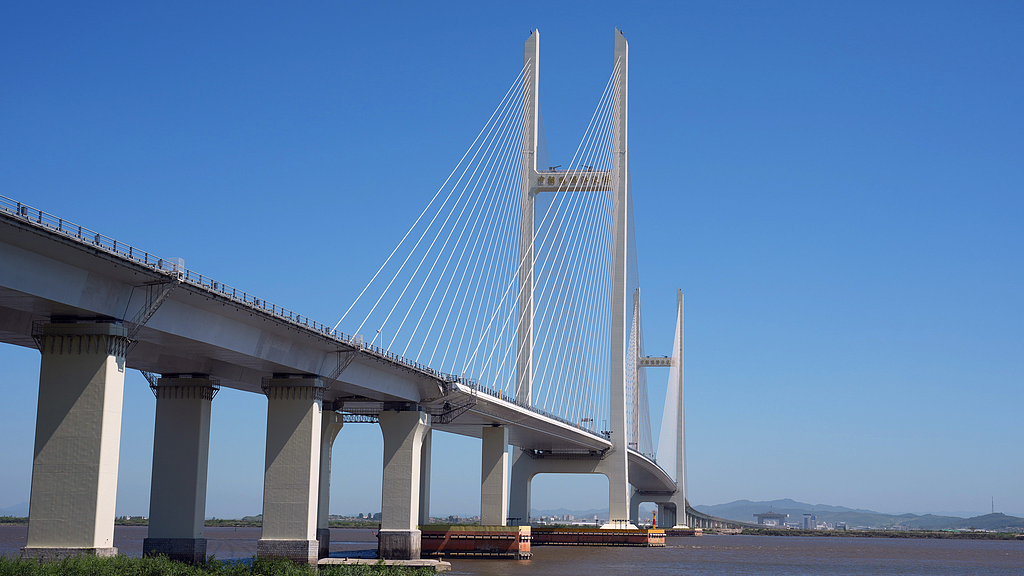
China-DPRK Opens New Yalu River Bridge to Enhance Trade

Salman Khan's Outfit Comments to Karisma Kapoor on Film Set
Australian Court Denies Bail for Indian-Origin Man in Stalking Case
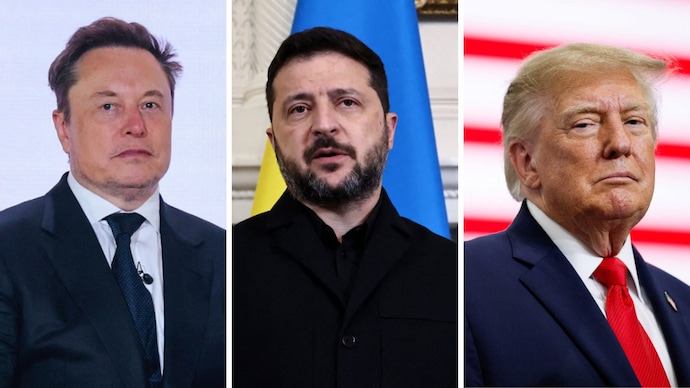
Ukraine Drone Operations Impacted by Starlink Restriction Amid Trump Shift