Supreme Court Examines Plea to Address False Complaints in India


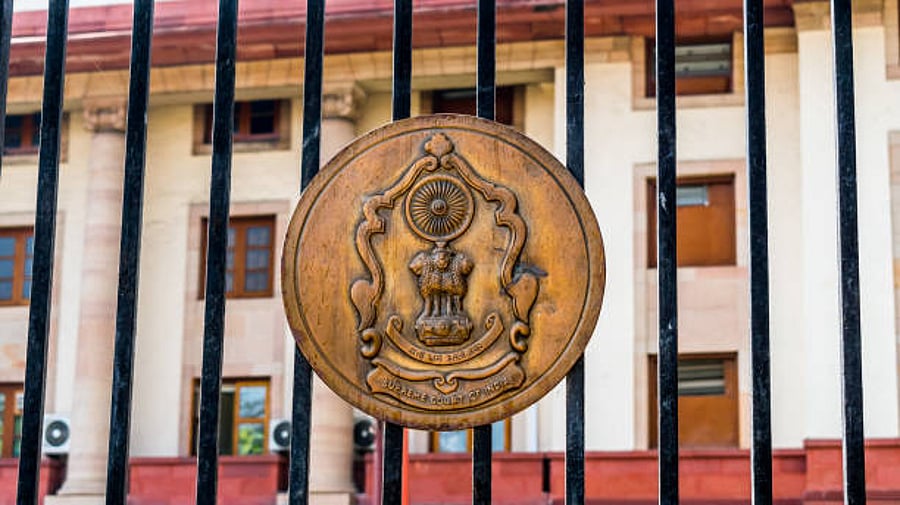
The Supreme Court of India has issued a notice to the Union Government, States, and Union Territories regarding a plea aimed at combatting false complaints and malicious prosecution. The case, presented by advocate Ashwini Upadhyay, highlights concerns surrounding fabricated evidence and its impact on the justice system. The bench comprising Chief Justice of India Surya Kant, Justice Joymalya Bagchi, and Justice Vipul M Pancholi discussed the issue during a session on Thursday.
Chief Justice Surya Kant expressed that society needs to be informed about the importance of respecting others' rights. He stated, "We will be accused of gagging... but why should we be afraid of gagging? Because people abuse and then disappear away. We need to create a very informed society with sensitising people and they should know fundamental right of their neighbourhood also."
Upadhyay articulated that the burden of fake cases significantly weighs on the judicial system. He argued that a notable proportion of the cases filed, particularly those linked to serious accusations such as the Scheduled Castes and the Scheduled Tribes (Prevention of Atrocities) Act, stem from misunderstandings, coercion, or manipulation by more affluent individuals. The Supreme Court bench acknowledged that often, the individuals who initiate these false complaints may not even be fully aware of the allegations made in their names.
The plea contends that many individuals are compelled to sign documents, often under duress or without full comprehension of their implications. This raises serious concerns about justice for the innocent,
The petition seeks comprehensive measures to educate the public about the ramifications of filing false complaints. It calls for the installation of display boards in places like police stations and educational institutions to inform the public about the penalties associated with false accusations under the Bharatiya Nyaya Sanhita, 2023.
Furthermore, the petition urges the imposition of penalties for making false declarations and proposes that individuals filing complaints should sign an affidavit affirming the truthfulness of their statements. It also seeks to establish that penalties for false complaints should be proportional to the gravity of the crime to deter malicious prosecutions.
The hearings highlighted a growing recognition of the urgent need for protective measures within the legal framework to shield innocent individuals from the detrimental effects of spurious claims. The petition also referenced National Crime Records Bureau (NCRB) data showing low conviction rates in particular legal areas, attributing this to the prevalence of false complaints.
The Supreme Court has agreed to consider these issues and the implications they have on the fundamental rights guaranteed under the Constitution of India, specifically addressing the need for liberty and dignity in judicial processes. As the legal debate unfolds, it underscores the pressing issue of wrongful prosecutions in the country, urging a reconsideration of existing safeguards within the justice system.
Kerala Initiates Probe into 2006 Suicide Case Involving CEC

Extradition of Sheikh Hasina Feasible, Says Indian High Commissioner

Punjabi Makeup Artist Mad Sandhu Shot Dead in Amritsar

India Achieves Fourth Place at Asian Games 2026 Through Late Success