Strategies to Combat Myopia in Children Beyond Stronger Glasses


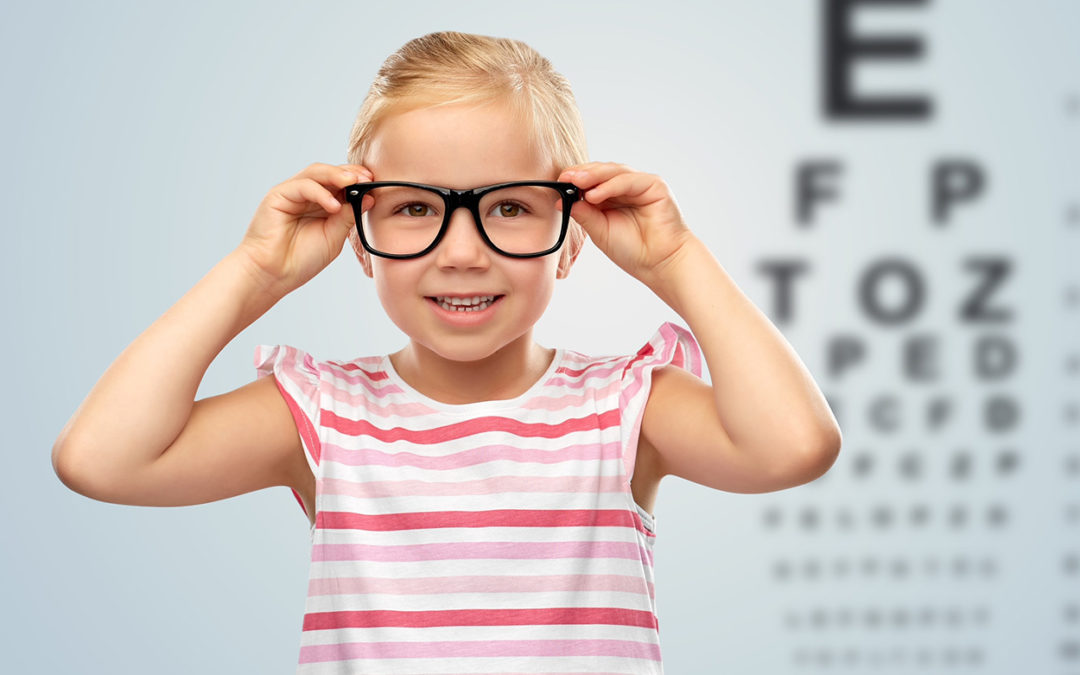
A growing body of research indicates that the increasing prevalence of myopia, commonly known as nearsightedness, among children is influenced not just by genetics but also by environmental factors and lifestyle choices. Experts warn that if current trends continue, nearly half of the world's population could be affected by this condition by the year 2050.
Understanding Myopia Myopia is characterised by the eye growing too long from front to back, which results in distant objects appearing blurry. This vision impairment typically starts in childhood and can worsen during adolescence. Beyond necessitating corrective lenses, high myopia can lead to severe vision-related complications in later life, such as retinal detachment and glaucoma.
Environmental Influences Recent studies have highlighted the importance of outdoor activities in reducing the risk of myopia. Research indicates that children who spend more time outdoors are less likely to develop nearsightedness. The sunlight exposure is thought to be beneficial, but specific wavelengths of light may also play a crucial role.
A study conducted by vision researchers at Cincinnati Children’s Hospital and the University of Alabama at Birmingham investigated the impact of light exposure on young, tree shrew models, which have ocular characteristics similar to those of humans. The research found that exposure to indigo light, which is abundant in natural sunlight but scarce in standard indoor lighting, may significantly prevent the onset of myopia in this animal model.
The Role of Indoors Lighting The study illustrates that typical indoor lighting, particularly white LED lights, lacks sufficient indigo wavelengths, which are believed to support healthy eye development. Dr Richard Lang, a key researcher, explained, “When we live inside, we don’t get all the wavelengths the eye needs for normal refractive development.” This highlights a potential area for intervention: improving indoor lighting in spaces where children frequently spend time.
Implications for Daily Routines In addition to encouraging outdoor play, parents and caregivers are advised to consider the lighting in homes and schools. Upgrading to full-spectrum lighting systems can encourage healthier eye development. Cincinnati Children's Hospital has taken steps in this direction, becoming the first paediatric facility to install a programmable full-spectrum lighting system in its neonatal intensive care unit.
Moreover, researchers plan to assess the effects of improved lighting in daycare settings, tracking eye health in children exposed to indigo-enriched light versus standard lighting conditions.
Conclusion The alarming rise in childhood myopia necessitates a multifaceted approach that combines lifestyle changes with practical adaptations in our environments. By integrating more outdoor activities and optimising indoor lighting, it may be possible to combat the myopia epidemic effectively. As the research progresses, future clinical studies could validate these findings and possibly lead to broader implementations of indigo-enriched lighting solutions in educational and home environments to safeguard children's vision health.

Social Media Celebrates Mumbai Pilot Captain Smit Machchhar
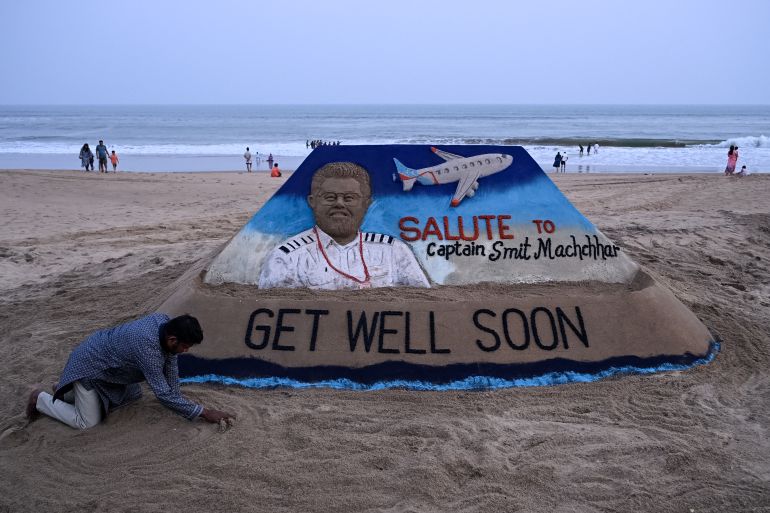
Flydubai Co-Pilot's Iran Allegations Involve Trump and Netanyahu
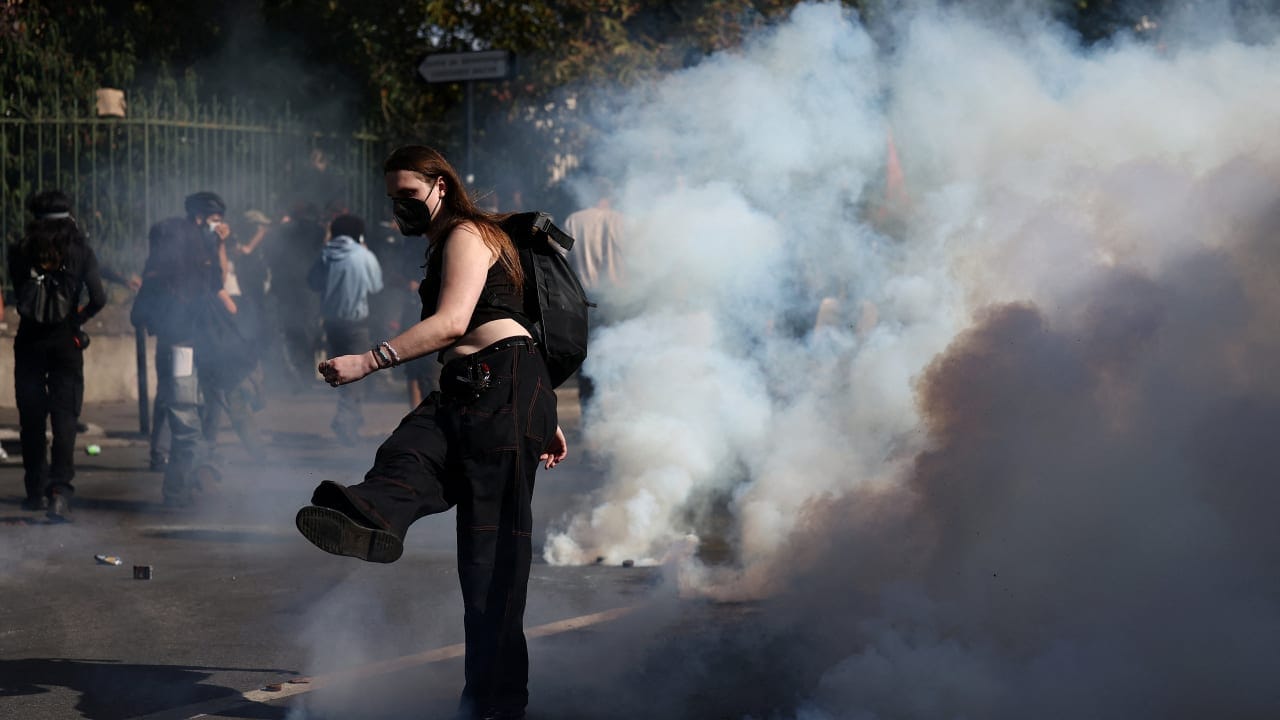
France's Student Protests Escalate into Nationwide Unrest
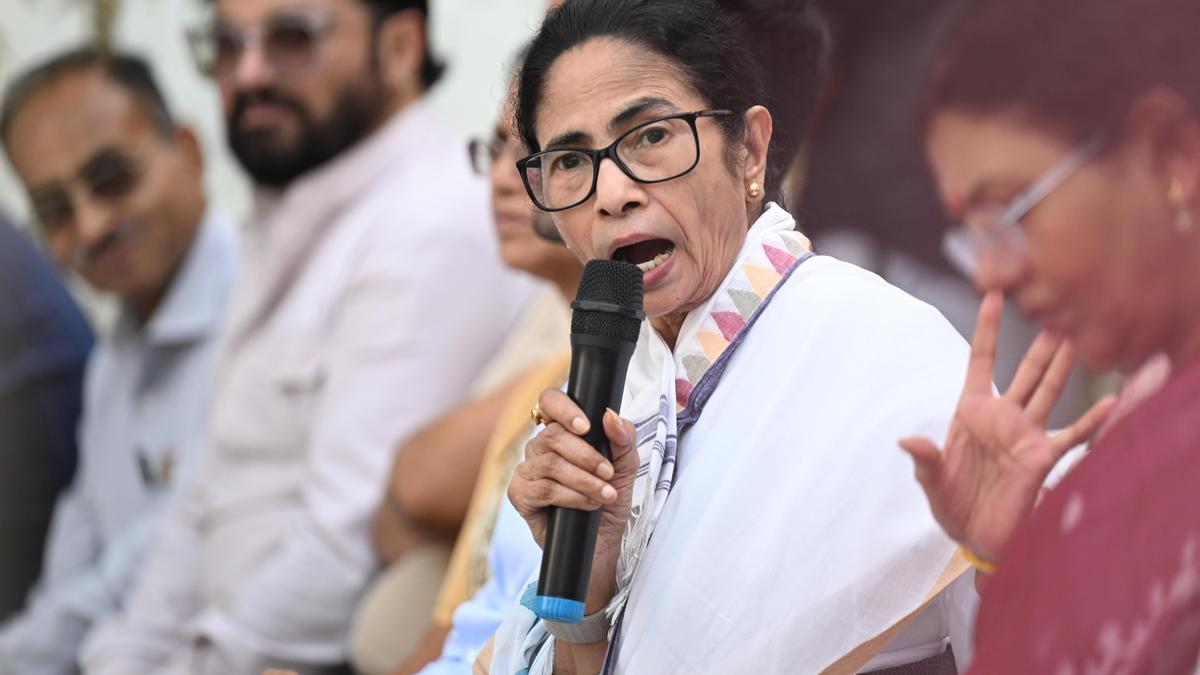
Mamata Banerjee Criticises Election Chief Over Poll Irregularities