Spain Sees Major Protests Following Rejection of Housing Bill


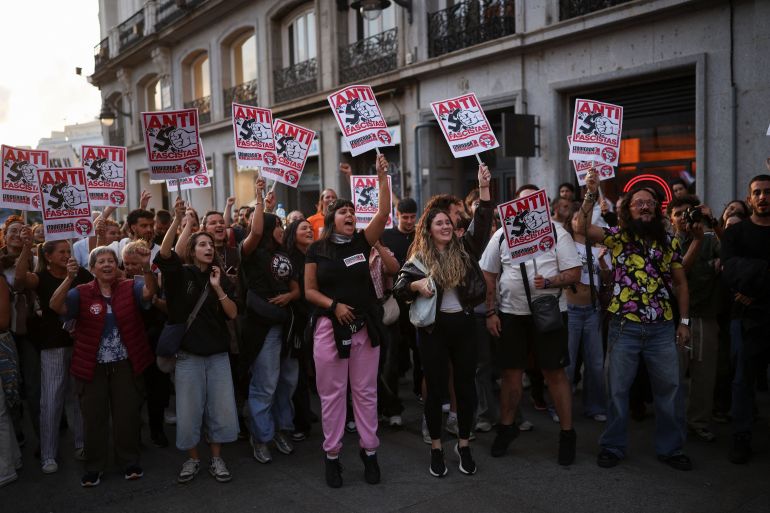
Mass demonstrations took place in various cities across Spain as tens of thousands protested following the rejection of a housing bill by the conservative-dominated parliament. The vote on Friday saw Prime Minister Pedro Sanchez's minority left-wing coalition's proposals struck down, which aimed to address the country’s ongoing housing crisis.
The protests gained momentum after the eviction of an 87-year-old woman, Maria del Carmen Abascal, from her home in Madrid, where she had lived for seven decades. Her eviction was reportedly linked to a rise in rent by over 200 percent after an international investment fund purchased the building.
In the wake of this incident, the government’s proposal included measures intended to protect vulnerable renters, such as halting evictions, curbing real estate speculation, restricting short-term leases, and offering tax incentives for housing development. A key feature of the proposals was aimed at making leases automatically renewable, thus ensuring greater security for tenants.
Before the parliamentary voting session, Sanchez urged lawmakers to prioritise the needs of ordinary citizens, particularly young people struggling to afford housing. He emphasised the anxiety faced by families dealing with escalating rent prices, calling on representatives to consider public welfare over political agendas.
Despite these appeals, the majority of members in the 350-seat lower house voted against the measures. Opposition came prominently from the centre-right Popular Party and the far-right Vox, as well as the right-wing Catalan separatist party Junts, which argued that the decrees would worsen housing affordability instead of ameliorating it.
Miriam Nogueras of Junts expressed concerns that the proposed measures would only drive property owners to withdraw their rental properties from the market, thereby increasing prices further.
Health Minister Monica Garcia remarked that the actions of right-wing parties reflected a movement towards an oppressive economic structure that favours a minority at the expense of the majority.
Academic insights indicate that the suggested emergency measures fail to address the root of the housing crisis. Marta Soler Gallart, a sociologist, noted that drawing comparisons to successful international housing models, such as Vienna, often neglects the historical context of public social housing that underpins such success.
The protests, which commenced in late September after Abascal's eviction, have attracted significant public attention, as many Spaniards demand more substantial governmental intervention regarding housing issues. Activists underscored the discontent with political representatives, suggesting the disconnect between political agendas and public needs.
In Valencia, the protests were met with police force, including rubber bullets and tear gas, reflecting tensions between demonstrators and law enforcement. Some protesters managed to occupy notable public spaces before being removed by authorities. In Madrid, arrests were made involving individuals from a far-right group attempting to disrupt the protests.
As the political landscape shifts, speculation abounds regarding potential snap elections, with some commentators suggesting such a move could occur as early as November.
Continued unrest surrounding housing suggests that Spain's government may face mounting pressure to respond to the growing calls for reform and address the pressing needs of its citizens.

Jaishankar Highlights Russia's Support for India Amid Threats

India Launches GST 2.0 with Enhanced Registration and Refund Process

Protests Erupt in Delhi Over Alleged Detention of Activist

Meerut Incident: Man Arrested for Attempting to Run Over Wife